

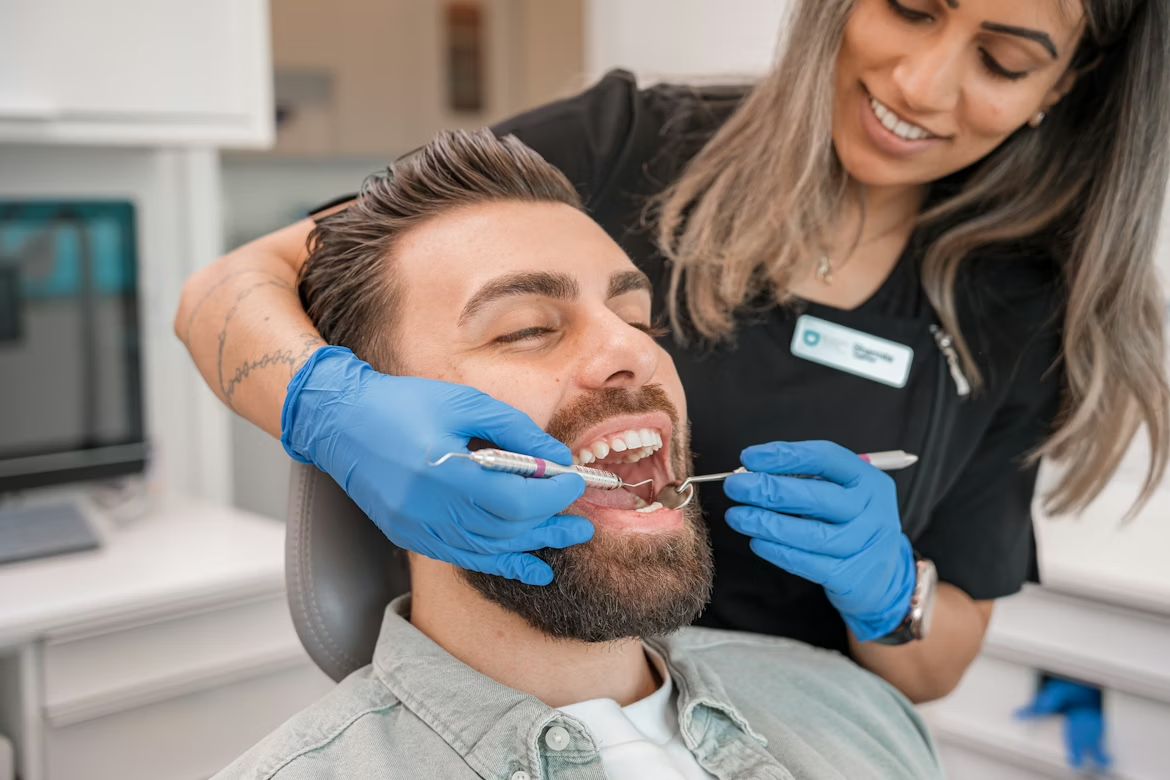
According to the American Dental Association’s 2023 surveillance data, nearly 20% of children aged 5-11 have untreated tooth decay, yet these early years represent the most critical window for establishing lifelong oral health habits. As pediatric dentistry increasingly emphasizes prevention over treatment, families in Plaza Midwood face a unique opportunity to give their children a significant health advantage through simple daily practices and informed decision-making.
The stakes extend far beyond cavities. Poor oral health in childhood correlates with academic performance issues, social challenges from dental pain, and costly interventions that could have been prevented with consistent care. For busy families juggling school schedules, activities, and work commitments, understanding which habits truly matter — and how to implement them effectively — can mean the difference between years of dental problems and a lifetime of healthy smiles.
What follows isn’t another generic list of dental advice, but a practical roadmap for parents who want to understand how daily choices shape their child’s oral health, when professional interventions like sealants make sense, and how to spot problems before they become serious. Each decision you make now sets the foundation for your child’s relationship with dental care for decades to come.
How Daily Habits Affect Children’s Oral Health
The mouth operates as a battlefield where beneficial and harmful bacteria compete for territory every single day. When children brush their teeth, they’re not just removing food particles — they’re disrupting bacterial colonies before they can organize into the sticky biofilms that cause cavities and gum inflammation. This disruption works best when it happens consistently, which is why sporadic brushing, even with perfect technique, can’t match the protection of regular, adequate brushing done daily.
Consider a typical school-age child who brushes thoroughly in the morning but skips the evening routine twice a week. Those missed sessions give bacteria nearly 36 hours to multiply and acidify the mouth environment, essentially undoing much of the week’s progress. The bacterial regrowth follows predictable patterns — within 24 hours, early plaque formation begins, and by 48-72 hours, the acidic environment starts demineralizing tooth enamel.
Water intake plays an equally crucial but often overlooked role. Saliva production naturally decreases during sleep, leaving teeth vulnerable to bacterial acid throughout the night. Children who stay adequately hydrated produce more saliva during waking hours, which helps neutralize acids and wash away food particles between brushings. This is particularly important for kids who breathe through their mouths due to allergies or enlarged adenoids, as mouth breathing further reduces protective saliva flow.
The timing of habits matters as much as the habits themselves. Brushing immediately after consuming acidic foods or drinks can actually damage softened enamel, so dental professionals recommend waiting 30-60 minutes. This creates natural teaching moments about food choices and timing that help children understand their mouth as a dynamic environment requiring thoughtful care rather than just a quick scrub.
Safe and Effective Use of Fluoride and Dental Sealants
Fluoride works through a process called remineralization, where fluoride ions integrate into tooth enamel to form fluorapatite — a compound significantly more resistant to bacterial acids than natural tooth enamel. The key lies in understanding that fluoride’s protective effect is dose-dependent: too little provides minimal benefit, while too much can cause fluorosis, the white or brown spots that indicate excessive intake during tooth development.
For children aged 3-6, dentists recommend a rice grain-sized amount of fluoridated toothpaste, increasing to a pea-sized amount after age 6 when children can reliably spit without swallowing. Many parents underestimate how much toothpaste children actually swallow during brushing — studies show kids under 6 swallow approximately 30% of the toothpaste used, making amount control critical for safety.
Dental sealants address a different vulnerability entirely. The permanent molars that emerge around age 6 and 12 have deep grooves and pits that trap food and bacteria in areas impossible to clean with normal brushing. Even children with excellent oral hygiene habits develop cavities in these locations because the bristles simply cannot reach into the narrow fissures.
Sealants work by creating a smooth, protective barrier over these vulnerable surfaces. The application process involves cleaning the tooth, applying a mild acid solution to help the sealant bond, then painting on the liquid sealant material which hardens under a special light. When properly applied, sealants can last 5-10 years and reduce cavity risk by up to 80% in treated molars. For families seeking kid friendly dental care in Plaza Midwood, the timing of sealant placement often determines their effectiveness — the ideal window is within the first year after molar eruption, before decay has a chance to begin.
The cost-effectiveness of sealants becomes clear when compared to filling cavities later. While individual circumstances vary, the preventive approach typically costs significantly less than treating decay and often prevents the need for more complex procedures down the road.
Recognizing Signs of Dental Problems and Dental Visit Timing
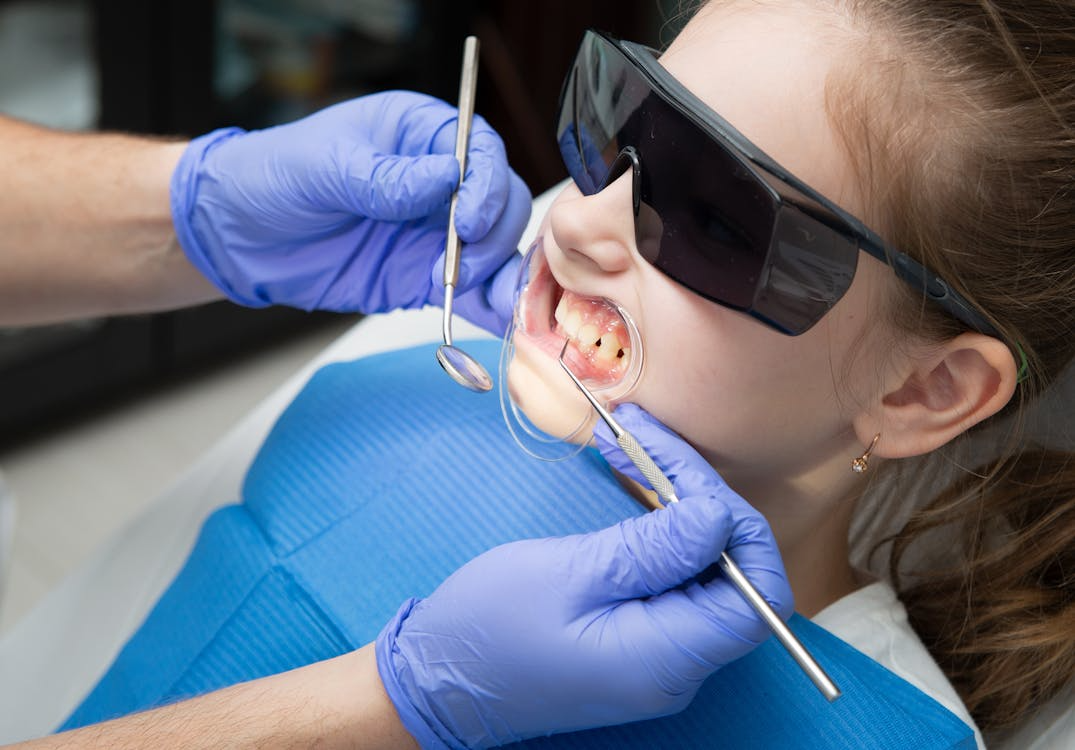
Parents often miss early warning signs of dental problems because initial decay doesn’t cause pain and can be difficult to spot without professional training. White or chalky spots on teeth represent the earliest stage of decay — areas where acid has begun breaking down enamel but hasn’t yet created a visible hole. These spots appear most commonly along the gum line or in the grooves of back teeth, and they’re reversible with proper fluoride treatment and improved hygiene.
More obvious symptoms include persistent bad breath that doesn’t improve with brushing, complaints of tooth sensitivity when eating sweet or cold foods, or visible brown or black spots on teeth. Children may also exhibit behavioral changes like favoring one side while chewing, avoiding certain foods they previously enjoyed, or touching their jaw or face repeatedly. These signs often indicate that decay has progressed beyond the reversible stage and requires professional treatment.
Gum health deserves equal attention to teeth. Healthy gums in children should appear pink and firm, without bleeding during brushing or flossing. Red, swollen, or bleeding gums suggest gingivitis — inflammation caused by bacterial buildup along the gum line. While gingivitis rarely causes serious problems in children when caught early, it establishes patterns that can lead to more severe periodontal disease in adulthood.
The American Academy of Pediatric Dentistry recommends children see a dentist by their first birthday or within six months of their first tooth appearing, whichever comes first. This early timing isn’t primarily about treating problems — most infants don’t have significant dental issues — but about establishing familiarity with the dental environment and catching any developmental concerns early.
Regular check-ups every six months serve multiple purposes beyond just cleaning teeth. Dentists monitor tooth eruption patterns, jaw development, and early orthodontic needs. They can also identify habits like thumb sucking or tongue thrusting that may affect dental development if they persist beyond certain ages. Early intervention often prevents more complex problems later, making these routine visits an investment in long-term oral health rather than just a cleaning service.
How to Teach Children Proper Brushing and Flossing Techniques
Choosing the Right Toothbrush and Toothpaste
Toothbrush selection directly impacts cleaning effectiveness, yet many families choose based on cartoon characters rather than functional design. For children under 8, soft-bristled brushes with smaller heads work best because they can navigate around smaller mouths without causing discomfort that leads to resistance. Electric toothbrushes can be particularly effective for children who struggle with manual dexterity, as the rotating or vibrating action helps compensate for less-than-perfect technique.
The handle design matters more than parents typically realize. Younger children need thicker handles they can grip effectively, while older kids may prefer brushes with ergonomic grips that help them reach back molars more easily. Replacing brushes every 3-4 months or after illness prevents bacterial buildup on the bristles and maintains optimal cleaning effectiveness.
Toothpaste choice involves balancing fluoride content with flavor preferences that encourage consistent use. Children’s toothpastes typically contain lower fluoride concentrations than adult formulations, making them safer if accidentally swallowed while still providing protective benefits. However, some children prefer mild adult toothpastes once they’ve mastered spitting, and this transition can work well as long as parents monitor the amount used.
Making Brushing and Flossing Fun and Consistent
Converting oral hygiene from a chore into an engaging routine requires understanding what motivates individual children. Some respond well to timers or songs that make the two-minute brushing duration feel manageable, while others prefer interactive apps that gamify the process with rewards for consistency. The key lies in matching the motivation strategy to the child’s personality rather than forcing a one-size-fits-all approach.
Creating positive associations starts with eliminating common sources of discomfort. Toothpaste that’s too minty, water that’s too cold, or brushing that’s too aggressive can create negative associations that persist for years. Many children respond better to room-temperature water and fruit-flavored toothpastes, at least initially.
Flossing presents unique challenges because it requires more fine motor control than brushing. Floss picks or water flossers can provide stepping stones for children who find traditional string floss frustrating. The goal is establishing the habit of cleaning between teeth, even if the method evolves as skills develop. Parents should expect to assist with flossing until around age 10-12, when most children have the dexterity to do it effectively independently.
Consistency matters more than perfection, especially in the early years. A child who brushes adequately every day will have better oral health than one who brushes perfectly three times a week. Building the routine into existing habits — like brushing immediately after breakfast and before bedtime stories — helps establish it as a non-negotiable part of the day rather than an optional activity that gets skipped when schedules get busy.
Impact of Diet and Sugar on Children’s Teeth
Sugar feeds the harmful bacteria in children’s mouths, but the relationship between diet and dental health extends far beyond simply avoiding sweets. The frequency of sugar exposure matters more than the total amount consumed. A child who eats one piece of cake after dinner exposes their teeth to bacterial acid for approximately 20-30 minutes. A child who snacks on crackers, dried fruit, and juice throughout the day creates multiple acid attacks that can last for hours.
Sticky carbohydrates like crackers, pretzels, and even seemingly healthy options like raisins often cause more dental problems than quick-dissolving sugars. These foods lodge in the grooves and between teeth, providing sustained fuel for bacterial acid production. Even natural sugars from fruits and milk create acidic conditions in the mouth, which is why timing matters — consuming these foods as part of meals rather than standalone snacks reduces their impact on dental health.
The pH balance in children’s mouths fluctuates throughout the day based on what they consume. Water, cheese, and raw vegetables help neutralize acids and stimulate protective saliva production. Cheese, in particular, contains calcium and phosphates that can help remineralize teeth, making it an excellent snack choice from a dental perspective.
Beverage choices create some of the most significant impacts on children’s oral health. Sippy cups filled with juice, milk, or sports drinks create prolonged exposure to sugars and acids, particularly when children carry them throughout the day. Even 100% fruit juices contain natural acids that can erode enamel with frequent exposure. Water remains the safest choice for regular hydration, with other beverages best consumed during meals when increased saliva production helps neutralize their effects.
Understanding these dietary impacts helps parents make informed choices without eliminating all enjoyable foods from their children’s diets. The goal isn’t perfect nutrition, but strategic timing and balance that protects developing teeth while still allowing childhood food experiences. Teaching children to rinse with water after consuming sugary or acidic foods provides a simple tool they can use throughout their lives to minimize dental damage from occasional treats.
As your child’s permanent teeth continue to emerge over the next several years, the habits and knowledge you establish now will determine whether those teeth remain healthy for the next seven decades. The investment in proper technique, quality tools, and consistent routines pays dividends that compound over time — each cavity prevented, each healthy habit established, and each positive dental experience creates momentum toward lifelong oral health that extends far beyond childhood.
