

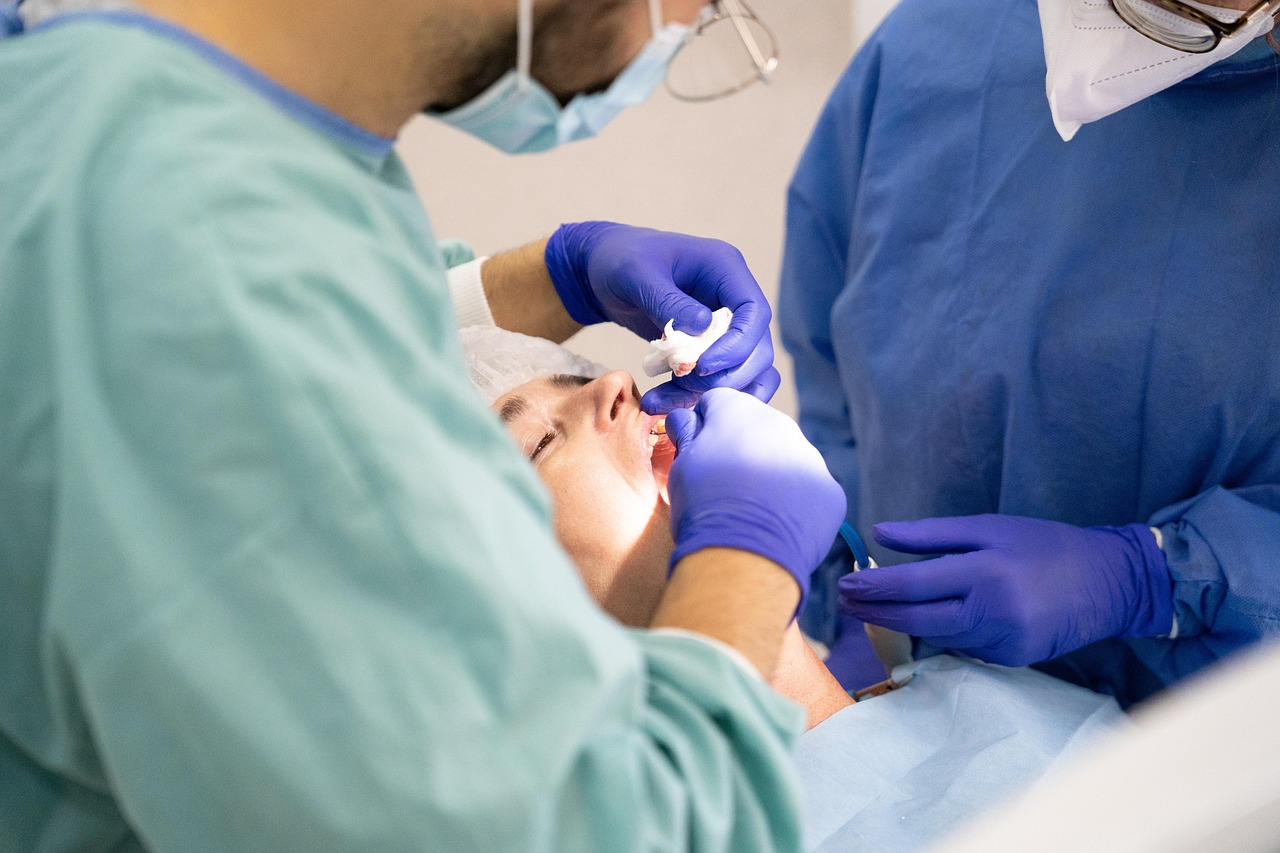
The American Dental Association’s 2024 surgical data reveals that patients who follow evidence-based recovery protocols experience 40% faster healing times compared to those relying on basic post-operative instructions alone. Yet most people approach oral surgery recovery with outdated assumptions about pain management and healing timelines, often extending their discomfort unnecessarily. As oral surgery techniques advance and our understanding of tissue repair deepens, the gap between optimal recovery and typical recovery continues to widen.
Whether you’re facing wisdom tooth removal, dental implant placement, or periodontal surgery, the decisions you make in the first 72 hours significantly influence your overall healing trajectory. Accessing professional gentle oral surgery care and making small adjustments to diet, activity levels, and symptom management can mean the difference between a smooth two-week recovery and complications that stretch into months. Understanding what actually accelerates healing — beyond just “take your medication and rest” — gives you practical control over your recovery experience.
What to Expect in the Oral Surgery Recovery Timeline
Recovery from oral surgery unfolds in distinct phases, each with its own characteristics and requirements. Understanding this progression helps you recognize normal healing patterns and adjust your care accordingly rather than worrying about every sensation.
The immediate post-operative period spans the first 24-48 hours, when primary hemostasis (initial clot formation) occurs. During this critical window, bleeding should gradually decrease from active oozing to occasional spotting. Swelling typically peaks between 48-72 hours post-surgery, which catches many patients off guard who expect immediate improvement. This swelling represents your body’s natural inflammatory response — a necessary part of healing that brings immune cells and nutrients to the surgical site.
Days 3-7 mark the inflammatory phase, characterized by continued swelling that slowly begins to subside. Pain often shifts from sharp, acute discomfort to a duller ache as nerve endings start to heal. The surgical site may appear white or yellowish as granulation tissue forms — this isn’t infection but rather new tissue growth filling the wound space.
The proliferative phase extends from week 1 through week 3, during which new tissue actively rebuilds the surgical area. Swelling should noticeably decrease each day, and pain becomes more manageable with over-the-counter medications. Sutures, if used, are typically removed during this period as tissue strength improves.
Consider someone recovering from wisdom tooth extraction: they might experience peak discomfort on day 2, noticeable improvement by day 5, and return to normal eating patterns by day 10-14. However, complete bone remodeling continues for 3-6 months, which is why your surgeon schedules follow-up appointments weeks after you feel “back to normal.”
Individual factors like age, overall health, and surgery complexity significantly influence these timelines, but understanding the general progression helps you gauge whether your recovery is proceeding as expected.
How to Manage Pain and Symptoms Effectively
Pain Relief Techniques Beyond Medication
While prescription pain medications form the foundation of post-surgical comfort, non-pharmacological techniques can significantly enhance their effectiveness and reduce your overall medication needs. Cold therapy applied correctly provides both pain relief and swelling control — apply ice packs for 15-20 minutes every hour during waking hours for the first 48 hours, ensuring you place a thin cloth barrier between ice and skin to prevent tissue damage.
Elevation strategies work by reducing blood flow to the surgical area, minimizing both swelling and throbbing pain. Sleep with your head elevated on 2-3 pillows for the first week, and avoid bending over or sudden head movements that increase blood pressure in the surgical site.
Controlled breathing and relaxation techniques help manage the anxiety component of post-surgical pain. Deep, slow breathing activates your parasympathetic nervous system, reducing muscle tension that often amplifies discomfort. Many patients find guided meditation apps particularly helpful during the acute recovery phase when normal activities are limited.
Controlling Bleeding and Swelling Safely
Proper gauze technique makes the difference between controlled bleeding and prolonged oozing. Bite down firmly on gauze pads placed directly over the surgical site for 30-45 minutes, replacing them only when saturated. Avoid the common mistake of frequently checking the site or changing gauze unnecessarily — this disrupts clot formation and prolongs bleeding.
Activity modification during the first 72 hours significantly impacts both bleeding and swelling outcomes. Avoid strenuous exercise, heavy lifting, or activities that increase your heart rate and blood pressure. Even seemingly gentle activities like yoga poses that invert your head can disrupt healing and increase swelling.
Hydration balance requires careful attention — you need adequate fluids for healing, but excessive intake can increase swelling. Sip water throughout the day rather than drinking large amounts at once, and avoid using straws, which create negative pressure that can dislodge clots and delay healing.
Which Foods and Nutritional Tips Promote Faster Healing
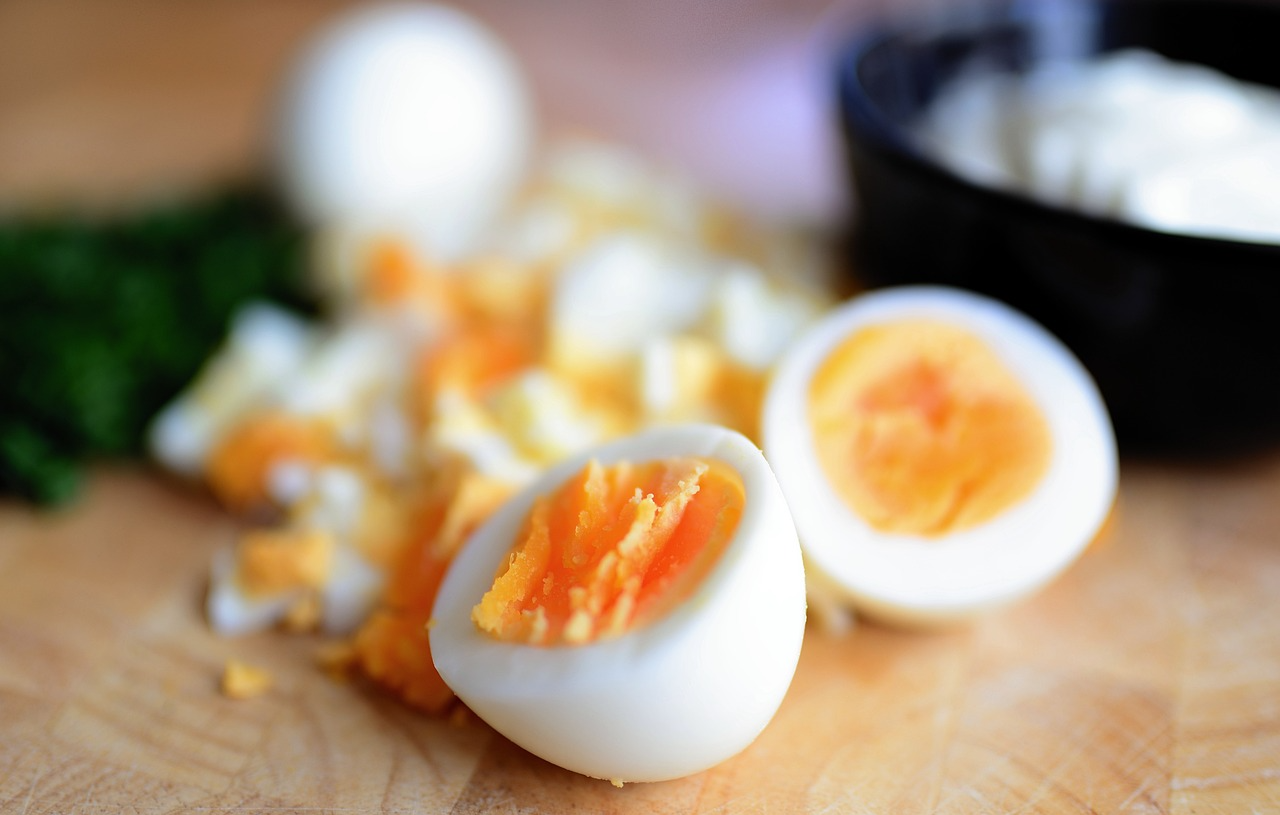
Soft Diet Choices That Support Recovery
The transition from liquid to solid foods should follow your tissue’s healing capacity rather than your appetite. Day 1-2 foods include cold liquids like water, milk, and protein shakes, plus soft items like pudding, yogurt, and applesauce that require no chewing. Room temperature or cool foods are preferable as heat increases blood flow and potential bleeding.
Days 3-7 expand to include mashed potatoes, scrambled eggs, oatmeal, and well-cooked pasta. The key principle is avoiding foods that could become trapped in the surgical site or require significant jaw movement. Avoid small particles like rice, seeds, or nuts that can become embedded in healing tissue and potentially cause infection.
As healing progresses into week 2, gradually introduce firmer textures while monitoring your comfort level. Many patients rush this progression and experience setbacks — if chewing causes pain or you notice increased swelling, step back to softer options for a few more days.
Nutrition Strategies to Boost Tissue Repair
Protein intake becomes crucial during recovery as your body rebuilds damaged tissue. Aim for easily digestible protein sources like Greek yogurt, protein smoothies, or soft-cooked fish. Research shows that adequate protein intake can reduce healing time by supporting collagen synthesis and immune function.
Vitamin C supports collagen formation and immune response — incorporate foods like mango smoothies, citrus juices (avoid acidic varieties if they cause discomfort), and vitamin C supplements as recommended by your surgeon. Zinc deficiency can significantly slow wound healing, making foods like pumpkin seeds (in smoothie form), lean meats, and dairy products particularly valuable during recovery.
Hydration supports cellular function and helps flush metabolic waste from healing tissues. Monitor your urine color as a hydration gauge — pale yellow indicates adequate hydration, while darker colors suggest you need more fluids. Proper hydration also helps prevent constipation, a common side effect of pain medications that can complicate recovery comfort.
How to Prevent Complications and Recognize Infection Signs
Dry socket prevention requires understanding why this complication develops and taking specific steps to maintain the protective blood clot. Avoid smoking, using straws, spitting forcefully, or rinsing vigorously for at least one week post-surgery. The negative pressure created by these actions can dislodge the clot, exposing bone and nerve endings to air and food particles.
Professional dental care that emphasizes gentle oral surgery care typically includes detailed prevention protocols, but patients play the crucial role in daily maintenance. Gentle salt water rinses (1/2 teaspoon salt in warm water) can begin 24 hours after surgery, but swish gently and let the liquid fall from your mouth rather than spitting.
Infection warning signs require immediate attention and include fever above 101°F, severe pain that worsens rather than improves after day 3, excessive swelling that increases rather than decreases after 72 hours, and foul-smelling discharge from the surgical site. Pus-like drainage or a bitter taste that doesn’t improve with gentle rinsing often indicates bacterial infection requiring antibiotic intervention.
Medication compliance significantly impacts complication rates. Take prescribed antibiotics exactly as directed, even if you feel better before finishing the course. Partial antibiotic courses can lead to resistant bacterial infections that are more difficult to treat and may require stronger medications with additional side effects.
Monitor your pain pattern carefully — normal post-surgical pain should steadily improve each day, even if slowly. Pain that suddenly intensifies, changes character from dull to sharp, or becomes unbearable despite medication suggests potential complications requiring professional evaluation.
How Recovery Differs by Surgery Type and Patient Factors
Comparing Recovery from Minor and Major Oral Surgeries
Simple extractions typically involve 3-5 days of significant discomfort followed by gradual improvement, with most patients returning to normal activities within a week. The surgical trauma is limited, and healing primarily involves soft tissue closure over a relatively small area.
Wisdom tooth removal presents more complexity, particularly for impacted teeth requiring bone removal or surgical sectioning. Recovery often extends 10-14 days, with swelling patterns that may affect jaw opening and eating capabilities. Patients frequently experience referred pain in the ears or jaw joints that can be alarming but represents normal nerve response patterns.
Dental implant placement involves both tooth removal and implant insertion, creating a longer healing timeline of 3-6 months for complete osseointegration. However, initial soft tissue healing follows similar patterns to other surgeries, with most acute symptoms resolving within 2 weeks. The key difference lies in activity restrictions and follow-up care requirements that extend well beyond symptomatic recovery.
Influence of Age and Health on Healing Speed
Age-related factors significantly impact recovery expectations. Patients over 50 typically experience slower healing due to reduced cellular regeneration capacity and potentially compromised circulation. However, older patients often tolerate discomfort better and are more compliant with post-operative instructions, which can offset some biological disadvantages.
Chronic health conditions require modified recovery approaches. Diabetic patients need careful blood sugar monitoring as surgical stress and pain medications can affect glucose levels, potentially slowing healing. Patients taking blood thinners face extended bleeding risks and may need modified medication protocols coordinated between their surgeon and primary care physician.
Smoking represents the most controllable factor that dramatically impacts healing — nicotine restricts blood flow to healing tissues and increases infection risk by up to 300%. Even patients who cannot quit entirely benefit from reducing smoking during the recovery period, though complete cessation provides optimal healing conditions.
The most successful recoveries combine realistic timeline expectations with proactive symptom management and close attention to your body’s healing signals. When complications do arise, early intervention typically resolves them quickly, while delayed treatment often leads to extended recovery periods and additional procedures.
