


According to the American Dental Association’s 2023 practice survey, nearly 40% of patients now ask their dentists about mercury-free alternatives and biocompatible materials — a 300% increase from just a decade ago. This surge reflects a broader shift toward holistic dentistry, where oral health connects directly to overall wellness rather than operating in isolation. As conventional dental practices increasingly adopt some holistic principles and patients become more informed about treatment options, the distinction between approaches continues to evolve.
For anyone considering this path, the decision involves more than simply choosing different materials. Holistic dentistry represents a fundamentally different philosophy about how oral health impacts systemic wellness, immune function, and long-term vitality. Understanding how these methods work, what evidence supports them, and whether they align with your health goals requires looking beyond marketing claims to examine the actual mechanisms and practical implications involved.
How Holistic Dentistry Works
Holistic dentistry operates on the principle that oral health directly influences systemic health through interconnected pathways — particularly the oral microbiome, inflammatory responses, and toxin exposure. Rather than treating teeth and gums as isolated structures, practitioners examine how dental materials, bacterial balance, and oral inflammation affect immune function, cardiovascular health, and neurological wellness.
The foundation starts with biocompatible materials testing. Before placing any restoration, holistic dentists often use compatibility testing to identify which materials work best with an individual’s immune system. This process typically involves blood tests that measure how white blood cells react to specific dental materials, from composite resins to ceramic crowns. The goal is preventing immune system activation that could trigger inflammation or autoimmune responses.
Mercury amalgam removal represents another core practice, though it requires careful protocol. Holistic dentists use specialized ventilation systems, rubber dam isolation, and oxygen supplementation during removal to minimize mercury vapor exposure. The International Academy of Oral Medicine & Toxicology has developed specific protocols for this process, recognizing that improper removal can increase mercury exposure rather than reducing it.
Nutritional support forms the third pillar. Many holistic practitioners incorporate ozone therapy, vitamin protocols, and probiotic recommendations to support healing and maintain healthy oral bacteria. Ozone, applied topically or through specialized water systems, has antimicrobial properties that can reduce harmful bacteria while preserving beneficial microorganisms. This approach recognizes that the mouth contains over 700 bacterial species, and maintaining proper balance requires more than mechanical cleaning alone.
The preventive strategy extends beyond traditional brushing and flossing to include stress management, sleep quality assessment, and dietary modifications. Since cortisol levels affect gum health and blood sugar impacts bacterial growth, holistic dentists often address these systemic factors as part of comprehensive oral care.
Benefits of Holistic Dentistry for Oral and Overall Health
Advantages of Natural and Biocompatible Materials
The primary advantage of biocompatible materials lies in reducing chronic inflammatory burden. Traditional amalgam fillings release mercury vapor continuously, with levels increasing during chewing, teeth grinding, and hot beverage consumption. Composite resins and ceramic materials eliminate this exposure while providing comparable durability for most applications.
BPA-free composites address another concern, as some conventional dental materials contain compounds that may disrupt endocrine function. Holistic practitioners often choose materials that have undergone biocompatibility testing, reducing the likelihood of allergic reactions or immune system activation. For patients with multiple chemical sensitivities or autoimmune conditions, this material selection can significantly impact treatment tolerance and long-term outcomes.
Fluoride-free approaches represent another departure from conventional care. While fluoride’s cavity-prevention benefits are well-documented, some patients prefer alternatives due to concerns about systemic exposure, particularly for children. Holistic dentists often recommend remineralizing toothpastes containing hydroxyapatite, xylitol, and essential oils that support enamel strength through different mechanisms.
How Holistic Dentistry Supports Immune and Systemic Health
The oral-systemic health connection forms the theoretical foundation for holistic dentistry’s broader health claims. Research has established links between periodontal disease and cardiovascular inflammation, with oral bacteria potentially contributing to atherosclerotic plaque formation. Holistic approaches aim to reduce this systemic inflammatory burden through comprehensive bacterial management and immune system support.
Detoxification protocols often accompany dental treatment, particularly during amalgam removal or infection treatment. These may include glutathione supplementation, chlorella for heavy metal binding, and specific nutrient protocols designed to support liver function during the healing process. While evidence for these approaches varies, the principle recognizes that dental treatment can temporarily increase toxic load, particularly when removing old restorations.
The focus on oral microbiome balance extends beyond cavity prevention to immune system regulation. Emerging research suggests that oral bacteria influence immune function throughout the body, with implications for allergies, autoimmune conditions, and even mental health through the gut-brain axis connection. Holistic practitioners often recommend specific probiotic strains and prebiotic foods to support beneficial bacterial populations while addressing harmful overgrowth through targeted antimicrobial treatments.
Comparing Holistic Dentistry and Conventional Dentistry
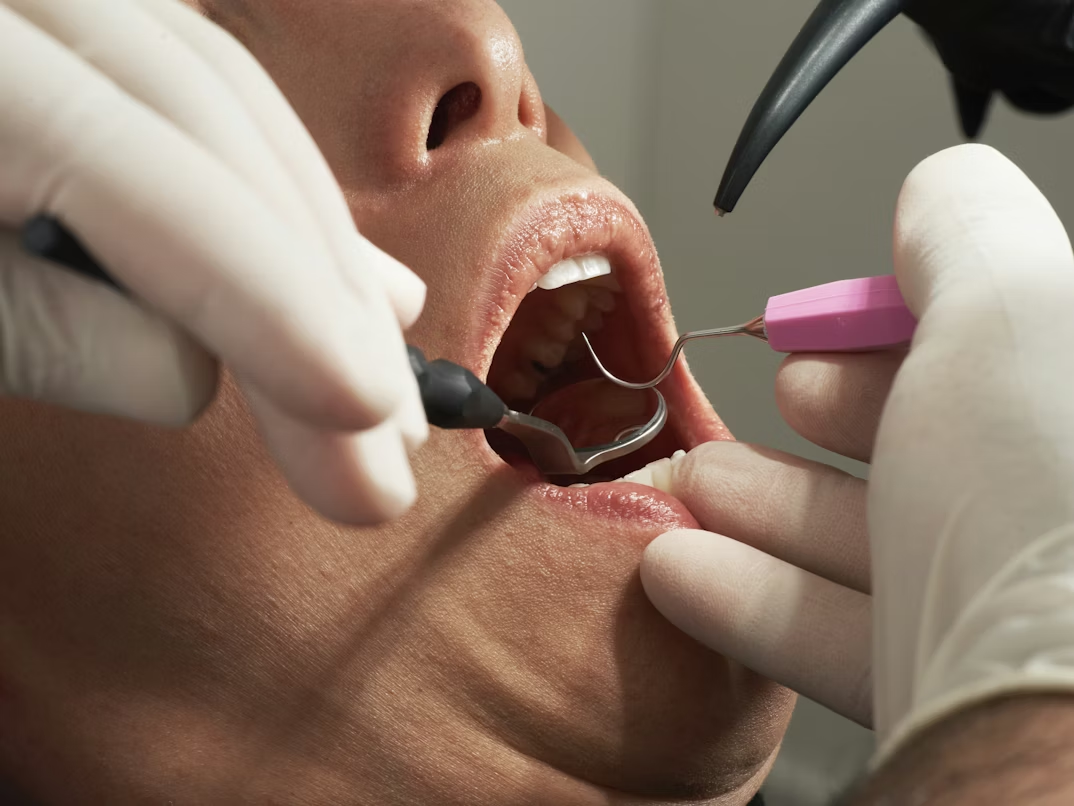
The fundamental difference lies in scope and philosophy. Conventional dentistry primarily focuses on treating dental disease through established, evidence-based protocols — filling cavities, treating gum disease, and replacing missing teeth using materials and techniques with extensive clinical research backing. Success is typically measured through clinical outcomes: cavity prevention, gum health markers, and restoration longevity.
Holistic dentistry takes a whole-body approach, considering how dental treatment affects systemic health, immune function, and overall wellness. Treatment decisions factor in material biocompatibility, toxic load reduction, and support for natural healing processes. Success includes traditional dental metrics but also encompasses improvements in energy levels, reduction in systemic symptoms, and enhanced immune function.
Treatment protocols reflect these different priorities. A conventional dentist might recommend a gold crown for a broken molar based on durability and clinical success rates. A holistic dentist would consider the same factors but also evaluate how gold affects the oral galvanic current (electrical activity between different metals), potential electromagnetic field sensitivity, and biocompatibility with the patient’s immune system.
The preventive philosophy also differs significantly. While both approaches emphasize prevention, conventional dentistry relies heavily on fluoride, antimicrobial rinses, and mechanical cleaning. For those seeking to explore holistic dental care options, the preventive strategy emphasizes nutrition, systemic health optimization, bacterial balance, and reducing inflammatory triggers through lifestyle modifications and natural antimicrobials.
Patient selection matters considerably. Conventional dentistry works well for most patients seeking effective, research-backed treatment with predictable outcomes. Holistic dentistry may better serve patients with chemical sensitivities, autoimmune conditions, or those who prefer natural approaches and want to minimize synthetic material exposure, even when choosing materials with less extensive long-term clinical data.
Scientific Evidence and Expert Opinions on Holistic Dentistry
The scientific foundation for holistic dentistry presents a mixed picture, with strong evidence supporting some practices and limited research backing others. Mercury toxicity concerns have substantial research support, with studies from the University of Calgary demonstrating mercury vapor release from amalgam fillings and potential accumulation in body tissues. However, major dental organizations including the FDA continue to consider amalgam safe for most patients, citing insufficient evidence that typical exposure levels cause health problems.
Biocompatibility testing lacks standardized protocols and long-term outcome studies. While individual immune reactions to dental materials clearly occur, the clinical significance of compatibility testing remains debated. Some practitioners report improved patient outcomes using these protocols, but controlled studies comparing biocompatibility-guided treatment to conventional material selection are limited.
The oral-systemic health connection has stronger research backing, particularly regarding periodontal disease and cardiovascular health. Studies published in the Journal of Periodontology have documented inflammatory pathways linking gum disease to heart disease, diabetes complications, and pregnancy outcomes. This research supports holistic dentistry’s emphasis on systemic health connections, though it doesn’t necessarily validate all holistic treatment approaches.
Ozone therapy shows promise in limited clinical trials for cavity prevention and gum disease treatment, with antimicrobial effects well-documented in laboratory studies. However, long-term safety data and large-scale clinical trials remain limited. The American Dental Association has not endorsed ozone therapy, citing insufficient evidence for routine clinical use.
Critical evaluation reveals that while holistic dentistry addresses legitimate concerns about material biocompatibility and systemic health connections, many specific protocols lack the extensive clinical testing required for mainstream adoption. Patients considering these approaches should understand that they’re often choosing newer or alternative methods with less long-term outcome data than conventional treatments.
Is Holistic Dentistry Suitable for Your Needs?
Patient-specific factors play a crucial role in determining whether holistic dentistry aligns with your health goals and medical situation. Individuals with multiple chemical sensitivities, autoimmune conditions, or documented allergies to conventional dental materials often benefit most from biocompatible material selection and reduced toxic exposure protocols. For these patients, the potential risks of conventional materials may outweigh the benefits of extensively tested approaches.
Treatment complexity also influences suitability. Holistic approaches work well for preventive care, routine fillings, and gum disease treatment where material choices and systemic support can make meaningful differences. However, complex reconstructive work, emergency treatment, or conditions requiring immediate intervention may be better served through conventional methods where predictable outcomes take priority over material philosophy.
Financial considerations matter significantly. Biocompatible materials and compatibility testing often cost more than conventional alternatives, and insurance coverage varies widely. Patients should budget for potentially higher out-of-pocket expenses and longer treatment timelines, as holistic approaches sometimes require additional healing time between procedures.
Your overall health philosophy and comfort with varying evidence levels should guide the decision. If you prefer extensively researched, standardized protocols with predictable outcomes, conventional dentistry may align better with your preferences. If you prioritize minimizing synthetic material exposure and supporting natural healing processes, even when long-term outcome data is limited, holistic approaches may be worth considering.
The most practical approach often involves selective integration — choosing holistic principles where they offer clear advantages while maintaining conventional methods for complex treatment needs. Many patients successfully combine biocompatible materials for new work with conventional emergency protocols, creating a personalized approach that balances wellness goals with clinical practicality. The key lies in finding practitioners who respect your health priorities while maintaining honest discussions about evidence limitations and realistic outcome expectations.
