

According to the American Dental Association’s 2024 oral health surveillance data, dental implants now have a success rate exceeding 95% when performed under proper conditions — yet many patients enter the process with unrealistic expectations about timeline, discomfort, and results. As implant technology continues advancing with digital planning and improved materials, the gap between what patients imagine and what actually happens during treatment has become a significant barrier to informed decision-making. The procedure itself involves multiple phases spanning several months, each with distinct healing requirements and patient experiences that differ markedly from routine dental work. Understanding the complete journey — from initial assessment through final restoration — helps patients prepare mentally and physically for what amounts to a sophisticated surgical reconstruction of tooth structure and function.
What Happens During Each Step of the Tooth Implant Procedure
The dental implant process typically unfolds across four to six months, beginning with a comprehensive evaluation that goes far beyond a standard dental exam. Your oral surgeon or periodontist will take detailed 3D imaging of your jawbone structure, assess gum health, and review your medical history for factors that might affect healing — everything from diabetes management to medications that slow bone formation.
If tooth extraction is needed, it often happens during the first surgical appointment. The extraction site receives immediate attention to preserve bone structure, sometimes requiring a bone graft to maintain adequate width and height for implant placement. This preparatory work can add two to four months to your timeline, but it’s essential for long-term implant stability.
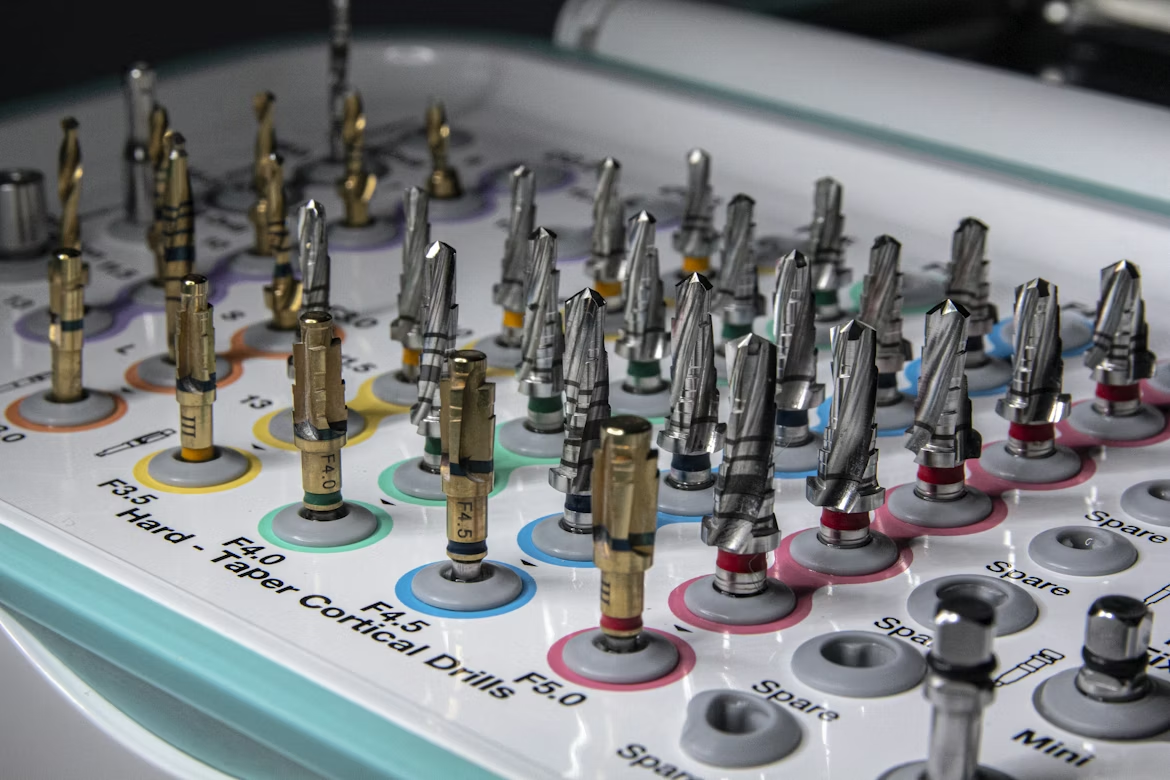
During implant placement surgery, you’ll receive local anesthesia while the surgeon creates a precise opening in your jawbone using specialized drills. The titanium implant — essentially a sophisticated screw designed to mimic a tooth root — gets positioned at the exact depth and angle needed to support your future crown. The surgical site is then closed with sutures, and you begin the critical healing phase.
The osseointegration period typically lasts three to six months, during which your jawbone literally grows into and around the implant surface. You’ll likely wear a temporary restoration during this time to maintain appearance and basic function. Once integration is complete, a second minor procedure attaches the abutment — a connector piece that will hold your permanent crown. Finally, after your gums heal around the abutment, your natural looking dental implants receive their custom-made crown, designed to match your surrounding teeth in both appearance and bite function.
How Tooth Implants Integrate with the Jawbone and Restore Function
The remarkable success of dental implants stems from osseointegration — a biological process where living bone tissue forms a direct structural connection with the implant surface. Unlike dentures that rest on top of gums or bridges that rely on adjacent teeth for support, implants become part of your jaw structure through this cellular-level integration.
Modern implants are manufactured from commercially pure titanium or titanium alloys specifically because bone cells recognize these materials as biocompatible. The implant surface often features microscopic textures or coatings that encourage bone cell attachment and growth. Within days of placement, specialized cells called osteoblasts begin depositing new bone matrix directly onto the implant surface, creating a bond stronger than the original tooth root connection.
This integration process explains why implants can handle the same chewing forces as natural teeth — up to 200 pounds of pressure per square inch in the back molars. The implant transfers these forces directly to the jawbone, just as a natural root would, stimulating continued bone health and preventing the jaw shrinkage that typically follows tooth loss.
The crown attachment system completes the functional restoration. The abutment creates a secure connection between the integrated implant and the visible crown, while allowing for adjustments in angulation and emergence profile. This three-part system — implant, abutment, and crown — replicates the natural tooth structure of root, neck, and crown, restoring not just appearance but the mechanical properties that make normal eating and speaking possible.
How to Prepare for a Tooth Implant Procedure
Successful implant placement begins weeks before surgery with a thorough evaluation of your candidacy. Your dental team will assess jawbone density using 3D cone beam CT scans, which reveal bone quality, proximity to nerves and sinuses, and any anatomical challenges that might require special planning. Patients with insufficient bone height or width may need bone grafting procedures completed months in advance.
Medical clearance becomes crucial for certain health conditions. Uncontrolled diabetes can impair healing and increase infection risk, so your surgeon may require evidence of stable blood sugar levels before proceeding. If you take medications that affect bone metabolism — such as bisphosphonates for osteoporosis — your treatment plan may need modifications to minimize complications.
Pre-surgical instructions typically include stopping smoking at least two weeks before the procedure, as nicotine severely compromises healing and increases implant failure risk. Your surgeon may prescribe antibiotics to begin taking before surgery, and you’ll receive specific guidelines about eating and drinking before your appointment.
Planning for recovery proves equally important. Arrange time off work for at least 2-3 days after surgery, and ensure you have soft foods available since chewing near the surgical site will be uncomfortable initially. Having ice packs ready and understanding your pain medication schedule helps manage the immediate post-operative period more effectively.
What to Expect During Recovery and Aftercare for Tooth Implants
The first 48 hours after implant surgery typically involve the most discomfort, though pain levels vary significantly among patients. Most people describe the sensation as similar to having a tooth extracted — a dull ache rather than sharp pain. Swelling peaks around day two or three, then gradually subsides over the following week.
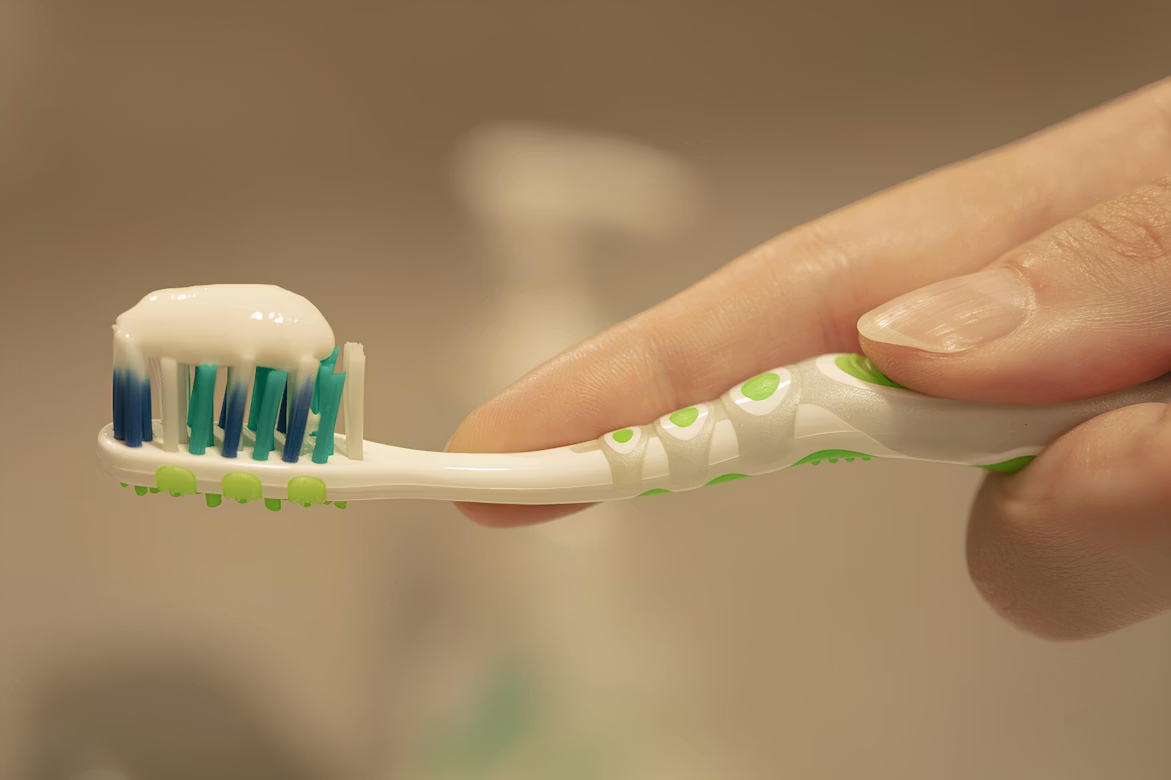
Your surgeon will provide specific instructions about oral hygiene around the surgical site. Generally, you’ll avoid brushing directly over the area for the first week while using an antimicrobial rinse to prevent infection. Gentle salt water rinses help keep the site clean without disrupting the initial healing process.
Diet modifications continue for several weeks as the implant integrates. Hard, crunchy, or chewy foods can create forces that interfere with osseointegration, so patients typically follow a soft-food diet initially, gradually returning to normal eating as healing progresses. Complete dietary freedom usually returns after the crown placement, once the entire system has proven stable under normal chewing loads.
Long-term implant success depends heavily on maintaining excellent oral hygiene. While implants can’t develop cavities, the surrounding gum tissue remains vulnerable to bacterial infection — a condition called peri-implantitis that can lead to implant loss. Daily flossing around the implant site and regular professional cleanings become essential lifetime habits. Most implant patients schedule hygiene appointments every three to four months rather than the typical six-month interval to ensure optimal gum health around their investment.
Common Risks, Complications, and Misconceptions About Tooth Implants
While implant failure occurs in fewer than 5% of cases, understanding realistic risks helps set appropriate expectations. Early complications typically involve infection at the surgical site or failure of the implant to integrate properly with the jawbone. Late complications might include mechanical issues like abutment loosening or crown damage, though these are usually repairable without affecting the underlying implant.
One persistent misconception suggests that implants require frequent replacement like other dental restorations. Research tracking implants over decades shows that properly maintained implants often outlast the patients who receive them. However, the crown component may need replacement every 15-20 years due to normal wear, similar to any other dental restoration.
Another common misunderstanding involves pain expectations. Many patients anticipate severe discomfort based on the surgical nature of implant placement, but most report that recovery is more comfortable than they feared. The precise, minimally invasive techniques used in modern implant surgery typically result in manageable post-operative discomfort that responds well to standard pain medications.
Some patients worry that implants will feel artificial or interfere with normal function. In reality, successful implants integrate so completely with natural oral structures that patients often forget which teeth are implants. The restoration of normal chewing ability and the elimination of dietary restrictions frequently exceed patient expectations, particularly for those transitioning from failing natural teeth or removable prosthetics.
The key to avoiding complications lies in choosing experienced practitioners, following post-operative instructions carefully, and committing to the long-term maintenance that preserves both the implant and surrounding tissues. When these factors align, dental implants represent one of dentistry’s most predictable and durable solutions for tooth replacement.
