

You finally get your braces off, and your teeth look exactly how you imagined. Then a few weeks pass, and something feels slightly off. Maybe one tooth looks a bit different, or your bite doesn’t feel the same. This happens more often than people expect. Teeth don’t stay fixed on their own after treatment, and that’s where retainers come in.
Retainers help protect the time, effort, and money you’ve already invested in your smile. They aren’t complicated, but they do require consistency. If you understand how they work and how to care for them, you can avoid most of the common issues people face after orthodontic treatment.
How retainers keep your teeth stable
After braces or aligners move your teeth, the surrounding bone and tissues need time to adjust. Your teeth sit in place, but they are not fully settled right away. Orthodontic retainers hold them steady while this process happens. Without that support, teeth can slowly drift back toward their old positions.
The retainer acts as a guide, keeping everything aligned while your mouth adapts to the new structure. This is especially important in the first few months after treatment, when movement is more likely. Over time, your teeth become more stable, but they never become completely fixed. That’s why ongoing retainer use remains important even after the initial phase ends. If you’re unsure where to start, look up orthodontic retainers near me to find a provider who can guide you on proper fit and long-term care.
Why your teeth try to shift again
Teeth move because they are connected to living tissues, not fixed into solid bone like nails. The fibers around each tooth have a natural tendency to pull them back toward their original position. This is often called relapse, and it can happen slowly without you noticing at first.
Daily habits also play a role. Chewing, grinding, and even the way your tongue rests can create small forces on your teeth. Over time, those forces add up. Age can also affect alignment, as natural changes in the jaw occur. Even people who never had braces can notice shifting. This explains why wearing a retainer is not just a short-term step but part of long-term maintenance.
Understanding different types of retainers
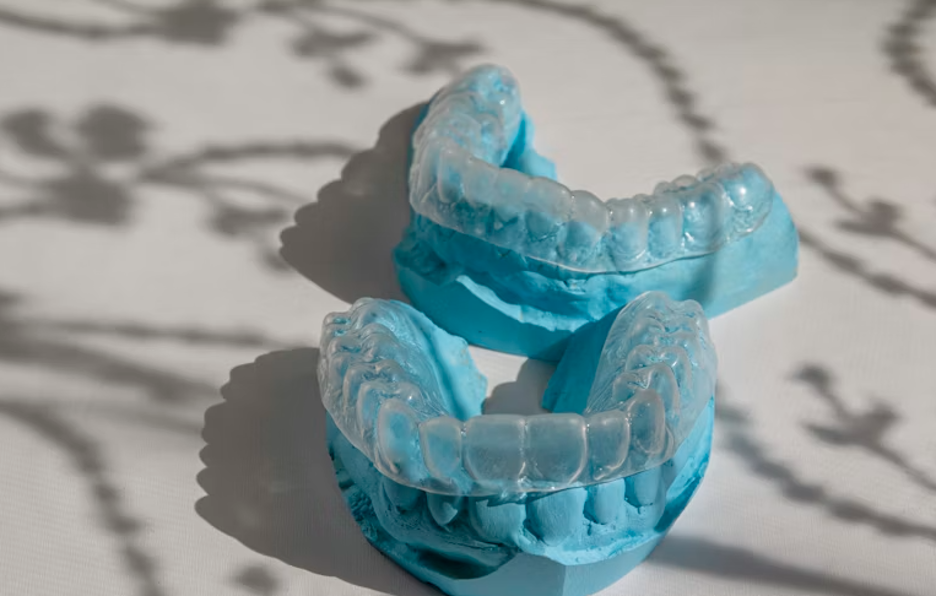
Retainers come in a few common forms, and each one works slightly differently. Removable retainers are the most familiar. Hawley retainers use a thin wire and an acrylic base, and they allow small adjustments if needed. Clear retainers fit closely over your teeth and are less visible, which many people prefer for daily wear.
Fixed retainers stay attached behind the teeth and don’t require you to remember to wear them. They work well for people who struggle with consistency. Each type has its pros and limitations. The right choice depends on your lifestyle, how your teeth were treated, and how much support your orthodontist recommends for long-term stability.
How long you actually need to wear one
Many people expect to wear a retainer for a short time and then stop. In reality, retainers are part of long-term care. Most orthodontists suggest wearing them full-time at the beginning, then switching to nighttime use. This schedule helps your teeth settle while still maintaining alignment over time.
Even after the first year, your teeth can still shift if you stop wearing your retainer. That’s why long-term or even lifelong use is often recommended, especially at night. The good news is that it becomes part of your routine quickly. Wearing a retainer regularly takes less effort than dealing with teeth that have moved out of place again.
Cleaning your retainer without damaging it
A clean retainer keeps your mouth healthy and makes wearing it more comfortable. Rinse it with lukewarm water every time you remove it. This helps wash away saliva and debris before it builds up. Use a soft toothbrush to gently clean the surface, but skip regular toothpaste since it can scratch clear retainers.
For a deeper clean, use a mild retainer cleaner or a simple soak recommended by your orthodontist. Avoid using hot water because heat can change the shape and ruin the fit. Also stay away from strong chemicals or alcohol-based solutions. If your retainer starts to smell or look cloudy, it usually means it needs more consistent cleaning, not replacement right away.
What happens when you stop wearing it
Skipping your retainer for a few nights might not seem like a big deal, but small gaps can lead to noticeable changes over time. Teeth respond quickly once support is removed, especially in the months after treatment. You might first notice slight tightness when you try to wear your retainer again. That’s often an early warning sign.
If you continue without wearing it, the shifting becomes more visible. Crowding can return, and spacing can reopen. In some cases, your bite may feel uneven again. Fixing these changes often requires additional treatment, which takes time and money. Wearing your retainer regularly is the easiest way to avoid going through that process again.
Common mistakes first-time users often make
Many people start strong with their retainer but slip into habits that cause problems later. Forgetting to wear it regularly is the most common issue. Even short breaks can lead to shifting, especially early on. Another mistake is storing it carelessly. Leaving it on a table or wrapping it in tissue often leads to it being lost or thrown away.
Cleaning mistakes also come up often. Using toothpaste that is too abrasive or skipping cleaning altogether can damage the retainer and affect hygiene. Some people ignore small signs like tightness or discomfort, which can point to early shifting or damage. Paying attention to these details helps avoid bigger issues and keeps your retainer working properly.
Retainers play a simple but important role in keeping your teeth in place after orthodontic treatment. The effort you put into wearing and caring for them directly affects how long your results last. Small habits, like wearing it consistently and cleaning it properly, make a real difference over time.
Teeth can shift quietly, and many people only notice once changes become visible. Staying consistent helps you avoid that situation. A retainer does not require much time or effort, but it protects everything you have already achieved. Treat it as part of your routine, and you will keep your smile stable without needing extra treatment later.
