

According to the American Association of Orthodontists’ 2023 survey, adult orthodontic treatment has increased by 40% over the past decade, with professionals and parents now comprising the fastest-growing segment seeking teeth straightening. This surge isn’t just about aesthetics — it reflects a deeper understanding of how properly aligned teeth impact everything from jaw health to career confidence. As clear aligner technology has matured alongside traditional braces innovations, the choice between treatment options has become both more promising and more complex.
For the millions of adults considering orthodontic treatment, the decision extends far beyond simply choosing between metal and clear options. Your daily routine, the complexity of your alignment issues, your tolerance for maintenance, and even your personality all factor into which approach will actually deliver results. The gap between marketing promises and real patient experiences remains significant, particularly around compliance demands and treatment limitations that become apparent only after starting. Understanding these nuances upfront — rather than discovering them mid-treatment — can mean the difference between a transformative experience and months of frustration.
How Do Invisalign and Other Teeth Straightening Methods Work?
The fundamental difference between teeth straightening approaches lies in how they apply consistent pressure to guide teeth into new positions. Traditional metal braces use brackets bonded to each tooth connected by an archwire that’s periodically tightened to create controlled movement. The wire acts as a track, with brackets serving as anchor points that distribute force across multiple teeth simultaneously. This system excels at complex movements like rotating severely twisted teeth or closing significant gaps because the continuous wire connection allows orthodontists to choreograph precise, multi-directional forces.
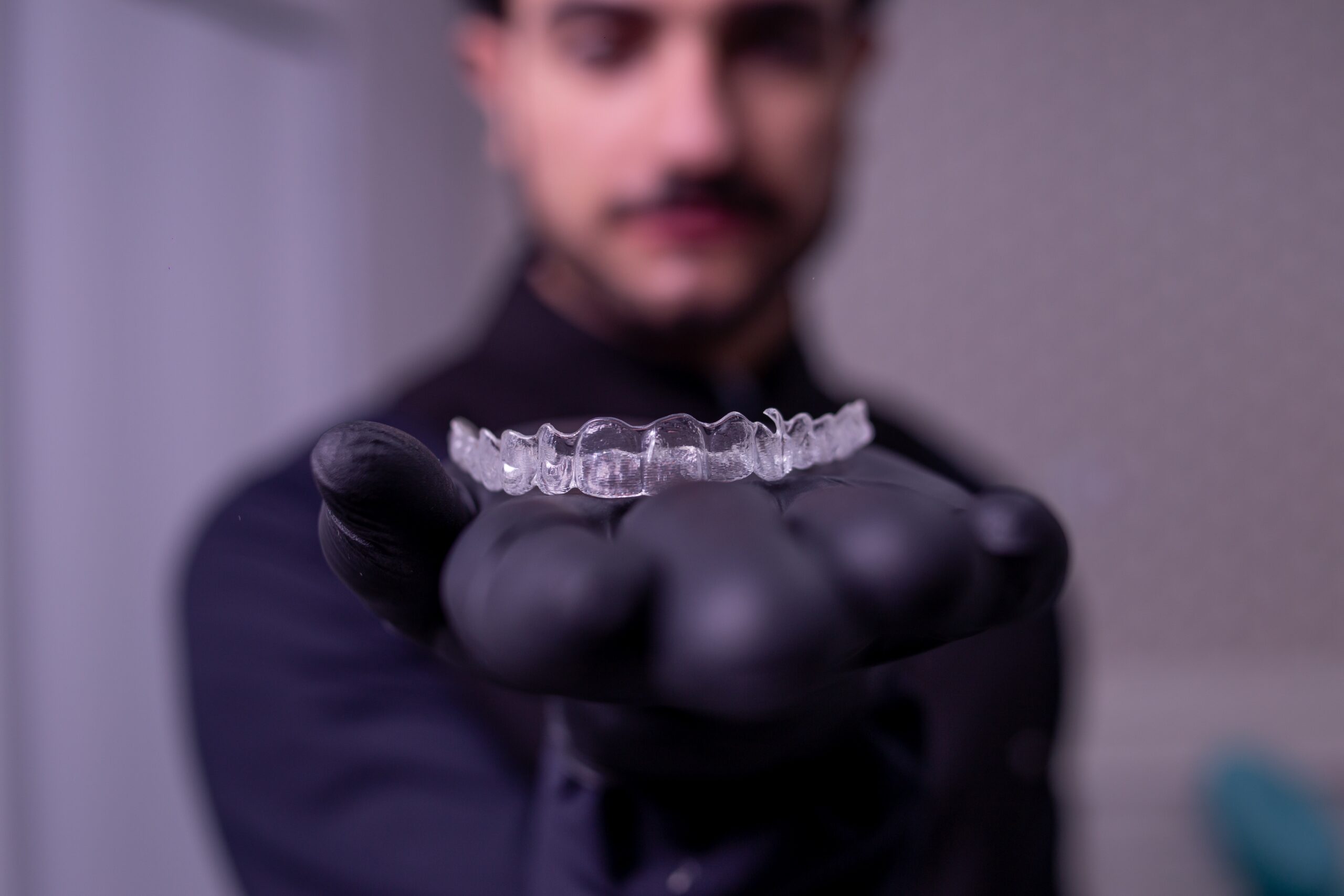
Invisalign and other clear aligners work through a series of custom-fitted plastic trays, each designed to move teeth incrementally toward their final positions. Every aligner in your sequence represents roughly two weeks of treatment, applying gentle pressure to specific teeth while allowing others to remain stable. The plastic material creates what orthodontists call “programmed movement” — each tray is engineered to shift targeted teeth by about 0.25 millimeters. Unlike braces, which can apply force in multiple directions simultaneously, aligners excel at tipping and sliding movements but struggle with complex rotations or significant root repositioning.
Ceramic braces function identically to metal braces but use tooth-colored brackets and sometimes clear wires to reduce visual impact. Lingual braces attach to the back surfaces of teeth, making them virtually invisible but significantly more challenging for both patient comfort and orthodontist adjustment. Consider a 30-year-old professional with crowded lower teeth who travels frequently for work — metal braces might complete the treatment faster, but the combination of appearance concerns and irregular schedule for adjustments could make Invisalign’s flexibility worth the potentially longer timeline.
What Factors Determine Suitability for Different Straightening Options?
How Do Lifestyle and Age Affect Choice?
Your daily routine and life stage often matter more than the severity of your alignment issues when choosing between treatment options. Young professionals in client-facing roles frequently find that the removability of clear aligners outweighs their limitations, even if treatment takes slightly longer. However, this removability becomes a liability for individuals who frequently forget routines or struggle with self-discipline — aligners require 22 hours of daily wear to remain effective.
Age-related factors extend beyond aesthetics into practical considerations. Adults over 35 often have established dietary habits that make the food restrictions of traditional braces more disruptive than the discipline required for aligner compliance. Conversely, younger adults who eat irregular schedules or frequently snack may find constantly removing and cleaning aligners more burdensome than avoiding certain foods with braces. Parents managing multiple children often prefer the “set it and forget it” nature of braces over tracking aligner wear time and cleaning routines.
Social and professional considerations vary dramatically by industry and personality. A teacher might find that the slight lisp some patients develop with new aligners creates classroom management issues, making lingual braces worth the additional cost and discomfort. Meanwhile, someone in a physically demanding job might prioritize the durability of metal braces over the risk of cracking aligners during activities. The key is honestly assessing which type of inconvenience aligns better with your existing habits and priorities.
How Does Alignment Complexity Shape Treatment Decisions?
The type and severity of your orthodontic issues directly determine which treatments can achieve your goals effectively. Clear aligners excel at closing gaps between teeth, correcting mild to moderate crowding, and fixing simple bite issues like minor overbites. They’re particularly effective for what orthodontists call “cosmetic cases” — situations where the primary goal is improving the appearance of front teeth rather than correcting complex jaw relationships.
Traditional braces remain superior for severe crowding, significant rotations, complex bite corrections, and cases requiring tooth extraction. When orthodontists need to move roots substantially or coordinate complex movements across multiple teeth, the continuous force system of braces provides precision that aligners cannot match. For instance, rotating a severely twisted canine tooth might require the anchoring power and multi-directional force that only bracketed wires can provide.
Hybrid cases — where some teeth need complex movement while others require simple alignment — sometimes benefit from sequential treatment. An orthodontist might use braces for the first phase to handle major corrections, then switch to aligners for fine-tuning and aesthetic improvement. This approach acknowledges that different movement types respond better to different force systems. However, it typically extends total treatment time and increases cost, making it suitable primarily for complex cases where neither method alone can achieve optimal results.
The complexity assessment also includes your bite relationship — how your upper and lower teeth come together. Cases involving significant overbites, underbites, or crossbites often require the precise control that braces provide, particularly when jaw growth modification is needed alongside tooth movement.
What Are the Benefits and Risks of Invisalign Compared to Other Options?

Both clear aligners and traditional braces offer distinct advantages that extend beyond simple tooth movement. Invisalign’s removability allows normal eating without dietary restrictions and enables thorough cleaning around all tooth surfaces — advantages that translate into better oral health during treatment for compliant patients. Many users report improved confidence during the treatment process since aligners are virtually invisible in most social situations. The smooth plastic also eliminates the mouth sores and soft tissue irritation common with metal brackets.
However, this removability creates the treatment’s primary vulnerability: dependence on patient compliance. Research from orthodontic journals indicates that aligners worn less than 20 hours daily can extend treatment time significantly or fail to achieve planned results entirely. Unlike braces, which work continuously regardless of patient behavior, aligners only function when properly worn. Additionally, some patients experience a slight lisp during the first few days of each new aligner, which can impact professional presentations or social situations.
Traditional braces offer reliability through their continuous action and the orthodontist’s ability to make real-time adjustments during appointments. They typically achieve results faster for complex cases and eliminate compliance concerns since patients cannot remove them. Modern metal braces are also smaller and more comfortable than previous generations, reducing but not eliminating soft tissue irritation.
The psychological impact varies significantly between individuals. Some patients find the visible progress markers of braces motivating, while others feel self-conscious throughout treatment. Clear aligners can provide a psychological boost by maintaining normal appearance, but some patients become anxious about compliance tracking or feel frustrated by the slower visible progress. For anyone considering treatment, visiting Invisalign in South Loop, Chicago can provide a practical assessment of how clear aligners fit into your specific lifestyle and orthodontic needs.
Oral health risks differ between methods but both require heightened attention to hygiene. Braces create more areas for plaque accumulation but protect covered tooth surfaces from decay. Aligners allow complete access for cleaning but require discipline to maintain proper oral hygiene between meals and aligner insertion.
How Does Patient Experience and Maintenance Influence Teeth Straightening Success?
The daily reality of orthodontic treatment often determines success more than the initial choice between methods. Aligner maintenance requires developing new routines around meals, oral hygiene, and storage. Successful Invisalign patients typically establish systems for cleaning aligners twice daily, storing them safely when removed, and tracking wear time. The aligners must be removed for all eating and drinking except water, then teeth must be cleaned before reinsertion — a process that becomes cumbersome during long meetings, travel, or social events.
Brace maintenance focuses on modified cleaning techniques and dietary adjustments rather than compliance tracking. Patients need specialized brushes and flossing tools to clean around brackets and wires effectively. While this initially takes longer than normal brushing, most patients develop efficient routines within weeks. Food restrictions eliminate many favorites temporarily — sticky, hard, and chewy foods can damage brackets or become trapped in wires.
Pain management expectations differ significantly between methods. New aligners typically cause 2-3 days of mild pressure and potential soreness when chewing, while brace adjustments can create more intense but shorter-duration discomfort. Many patients find aligner discomfort more predictable since it follows the same pattern every two weeks, while brace adjustment pain varies based on the type of movement being initiated.
Long-term retention proves critical for both approaches since teeth naturally tend to shift back toward their original positions. Most orthodontic treatment concludes with a retention phase involving removable retainers or bonded wires. Patients who successfully complete aligner treatment often adapt more easily to retainer wear since they’ve already developed habits around removable appliances. However, some patients become “compliance fatigued” after months of tracking aligner wear and struggle to maintain retainer discipline.
The support system throughout treatment varies substantially. Traditional brace patients see their orthodontist every 4-6 weeks for adjustments and monitoring, providing regular professional guidance and motivation. Aligner patients typically have longer intervals between appointments but more responsibility for self-monitoring progress and identifying problems like poor tracking or damaged aligners.
How Do Treatment Times and Outcomes Compare Among Teeth Straightening Options?
Treatment duration depends more on case complexity than the chosen method, though clear patterns emerge across different orthodontic approaches. Traditional metal braces typically complete treatment in 18-24 months for moderate cases, with complex corrections sometimes requiring 24-36 months. The continuous force application and orthodontist’s ability to make precise adjustments during regular visits often makes braces more efficient for comprehensive corrections.
Invisalign treatment averages 12-18 months for mild to moderate cases, though this assumes perfect compliance with 22-hour daily wear. Real-world studies suggest that inconsistent wear can extend treatment by 6-12 months beyond initial projections. The system works best for patients with predictable lifestyles who can maintain consistent routines. However, for straightforward cosmetic improvements involving front teeth, aligners sometimes achieve satisfactory results faster than braces.
Success rates vary based on how “success” is defined and measured. Both methods achieve excellent results when properly applied to appropriate cases. Traditional braces show higher completion rates because patient compliance is essentially guaranteed — the appliances work continuously regardless of patient behavior. Aligner success depends heavily on patient selection and compliance, with studies indicating that motivated adult patients achieve comparable results to braces for suitable cases.
Long-term stability appears similar between properly completed treatments, emphasizing the critical importance of the retention phase. Cases that relapse typically do so because of inadequate retention rather than the initial treatment method. However, some evidence suggests that slower, more gradual movement achieved through well-managed aligner treatment may produce slightly more stable results, though this remains an area of ongoing research.
Quality of life during treatment often influences patient satisfaction more than final outcomes. Surveys consistently show that aligner patients report higher satisfaction with their treatment experience, even when acknowledging longer timelines or minor limitations in final results. Conversely, patients who complete traditional brace treatment often express satisfaction with the reliability and visible progress, despite temporary lifestyle restrictions.
The most successful outcomes occur when patients choose the method that aligns with their personality, lifestyle, and commitment level rather than simply opting for the newest or most advertised option. This self-awareness about your own habits and preferences may prove more important than the technical specifications of either treatment approach.
