

A dental visit can feel big to a child. The lights feel bright, and the room feels new. Strange sounds can raise stress before the exam starts. Parents often feel that tension right away too.
That is why the first visit should feel calm and easy. A good clinic treats it as a health visit, not a test. Families who visit a dentist for children in Dubai often look for gentle care, clear steps, and strong parent guidance. The American Academy of Pediatric Dentistry advises a first dental visit by age one. That early start helps children feel safe before bigger problems show up.
Children notice more than adults think. They watch faces, hear tone, and react to the pace around them. They also read their parent’s mood with surprising speed. That is why the full setting shapes the visit, not only the treatment.
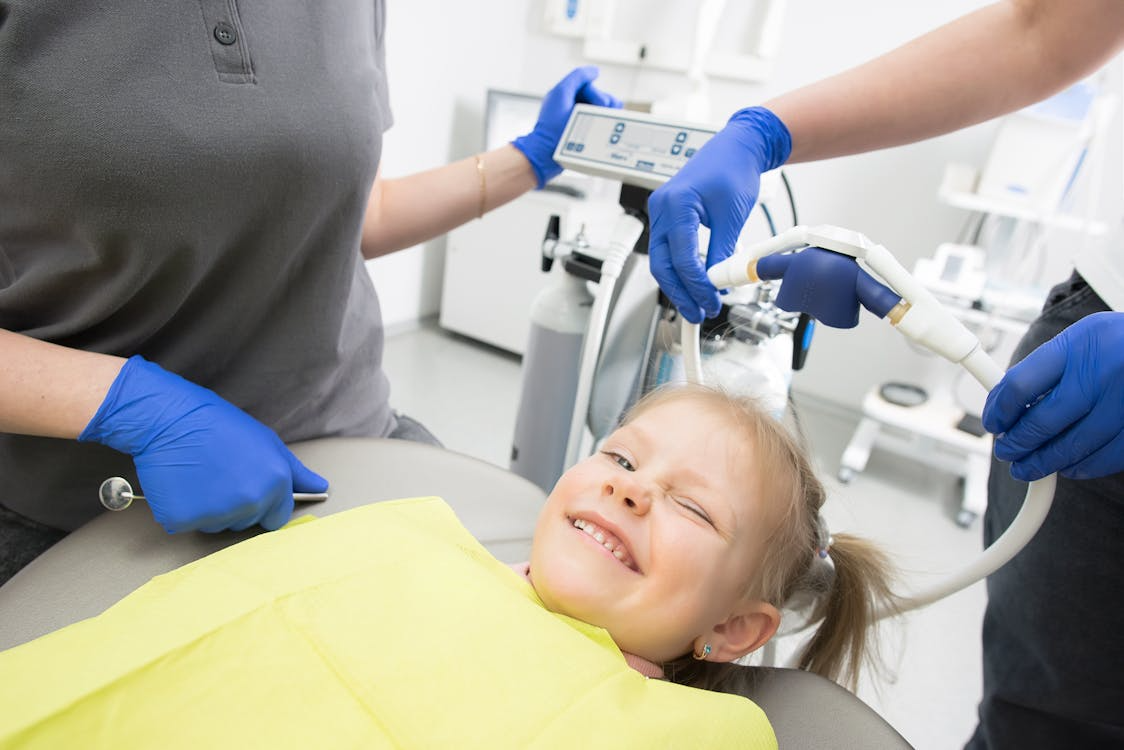
Photo by MM Dental
See The Visit Through A Child’s Eyes
A child does not judge a visit like an adult. A parent may focus on treatment and cost. A child cares more about how safe the place feels. That first feeling can shape the whole appointment.
Pediatric care often works best when staff match their approach to the child’s age. That same idea appears in guidance on approach to the paediatric patient. The page explains how rapport, observation, and simple language support better care. Those steps also fit dental visits because trust starts before the exam begins.
The room should feel calm and easy to read. Staff should speak in a steady voice and move without rushing. Children pick up tension fast, so small details count. A warm greeting can soften fear before it grows.
Parents need support too. Front desk teams should explain what happens next in plain language. That helps adults stay calm and present. When parents feel settled, children often follow that cue.
What Children Notice First
Before treatment starts, most children focus on a few simple things. These details shape comfort more than many adults expect.
- The look of the room and whether it feels clean and calm
- The voice and body language of the people greeting them
- The sounds of tools, machines, and nearby patients
- The mood of their parent during check in and waiting
When teams pay attention to those details, the visit often starts better. That strong start can make the rest feel easier.
Use Predictable Steps And Small Choices
Fear grows when children do not know what comes next. A child friendly visit works best when the team breaks it into small steps. The child can then follow the visit one part at a time. That simple structure often lowers stress fast.
The dentist or assistant can name each tool in plain words. They can explain what the child may hear or feel. They can also pause between steps and check the child’s reaction. That steady pace builds trust and helps the child stay involved.
Small choices help too. They do not change the treatment plan, but they give the child some control. That sense of control can reduce stress in a real way. It can also prevent power struggles during the visit.
Simple Choices That Help
These choices feel small to adults, but many children respond well to them.
- Choosing a toothpaste flavor
- Picking sunglasses during the exam
- Deciding whether counting teeth happens first or last
- Holding a toy or comfort item during the visit
Not every child needs the same script. Some want more detail, while others need less talk. Good teams read body language and adjust early. They do not push through obvious distress when a short pause can help.
Parents can support this process at home too. They can describe the visit in simple words and keep the tone calm. They can explain that the dentist will count teeth and help keep them strong. That kind of prep gives the child a clear picture of what will happen.
Make Prevention Feel Normal
A child friendly visit should not stop at comfort alone. It should also teach healthy habits in a calm way. Children and parents both need clear advice they can use at home. That keeps the visit practical, not just pleasant.
Dental teams should talk about brushing, diet, fluoride, and recall visits. They should keep that talk simple and direct. Parents do better with clear steps than broad reminders. They also need guidance that fits daily family life.
The CDC guidance on children’s oral health shows why prevention starts early. Cavities remain very common in children, and untreated decay can affect daily life. Children may struggle with eating, speaking, sleeping, and school. That is why clinics should present prevention as part of normal health care.
Clinical teaching on dental caries supports that same practical view. It covers fluoride use, decay risk, and preventive care in clear terms. For parents, that kind of guidance turns advice into daily action. It also helps them understand why routine visits still help when a child feels fine.
Prevention Tips Parents Can Use
A short list often helps parents remember the basics after the visit.
- Brush twice each day with fluoride toothpaste
- Use the right toothpaste amount for the child’s age
- Keep sugary drinks and sticky snacks from becoming daily habits
- Ask about fluoride varnish or sealants if risk seems higher
- Return before pain becomes the reason for the next visit
This kind of coaching feels more useful than a quick warning. It gives parents a plan they can follow right away.
Train The Whole Team To Support Children
Children experience the clinic as one full visit. They do not separate the receptionist from the assistant. They do not separate the assistant from the dentist either. One tense moment can change the tone of the whole appointment.
That is why child friendly care should involve the whole team. Each person should know how to speak with children in a calm way. Each person should also know how to guide parents without sounding rushed. Consistency helps children feel safe because the tone stays steady.
The American Academy of Pediatric Dentistry behavior guidance supports that approach. It focuses on communication, trust, and reducing fear during care. Those goals apply from check in through follow up planning. They also help teams stay aligned when a child feels uneasy.
Some children need more support than others. A child may have sensory sensitivity, a strong gag reflex, or past medical stress. In those cases, the team may need shorter visits or extra time. A slower pace can help the child build comfort without pressure.
Team Habits That Improve The Visit
A strong team often shares a few steady habits across every stage.
- Greet the child by name and speak at eye level
- Explain steps in plain words before starting
- Watch body language and pause when stress rises
- Give parents clear guidance without long medical terms
- Keep handoffs between staff smooth and calm
These habits do not require a fancy setup. They require patience, training, and good communication.
What Parents Remember Most
Parents may not remember every detail of the exam. They do remember how their child felt during the visit. They remember whether staff listened and stayed calm. They also remember whether the next appointment feels possible.
That memory shapes future care in a big way. When a child leaves feeling safe, parents usually return sooner. That supports prevention and helps families avoid pain driven visits. It also builds trust over time.
A child friendly dentist experience grows from many small choices. Early visits, clear communication, calm routines, and useful home advice all help. When clinics and parents work together, dental care feels more normal. That makes future visits easier for everyone.
