

When people watch a horse race, they usually focus on which horse leads the race and whether or not they’ve won the bet. But behind all that excitement is something that most fans never think about.
We’re talking about the physical stress these animals endure.
Racehorses are some of the most powerful athletes on the planet. They can reach nearly 40 miles per hour while carrying a jockey and running on relatively thin legs that absorb enormous impact with every stride. That’s why orthopedic injuries have always been one of the biggest challenges in horse racing.
Since horse racing has been around for hundreds of years, professionals have spent a lot of time studying orthopedic injuries. There have been some major advancements that not only made the sport safer for horses, but the research done to understand and treat those injuries has started helping human medicine as well.
The Incredible Stress on a Racehorse’s Legs
Let’s start with something simple. A racehorse’s leg looks elegant and almost delicate when you see it up close. They have long, thin bones with powerful tendons and ligaments that work together to make the horse run as fast as possible.
But the surprising part is what those legs endure during a race. When a horse gallops, each leg absorbs forces that can be equal to several times the animal’s body weight. And from a medical perspective, that’s quite surprising. If you multiply that by thousands of strides during training and racing, you start to understand what the horse’s legs go through during their racing career.
That’s why racehorses often experience orthopedic injuries like stress fractures, tendon tears, ligament damage, and joint inflammation.
Even bettors do a deep dive into a horse’s injuries before they place a bet, since they know that the horse’s health condition is the most important factor when it comes to a big race like the Kentucky Derby. But if you don’t know where to look, you are probably better off going for free 2026 Kentucky Derby picks, since they are already analyzed by expert handicappers.
Racehorses as Natural Models for Athletic Injuries
One of the main reasons racehorses are so valuable in medical research is because their injuries often resemble those seen in human athletes. Think about it. Runners, footballers, or basketball stars mostly suffer from the same injuries that affect racehorses, and they are related to bones, tendons that heal after strain, and joint inflammation. Research studying racehorses has been able to observe how microfractures form, how tendons heal after strain, and how joint inflammation develops over time.
And all of this has helped scientists better understand conditions like stress fractures in long-distance runners, Achilles tendon injuries, and degenerative joint diseases.
So, since horses have been running for centuries, we have enough data on how to treat and avoid such injuries in humans.
Advances in Imaging Technology
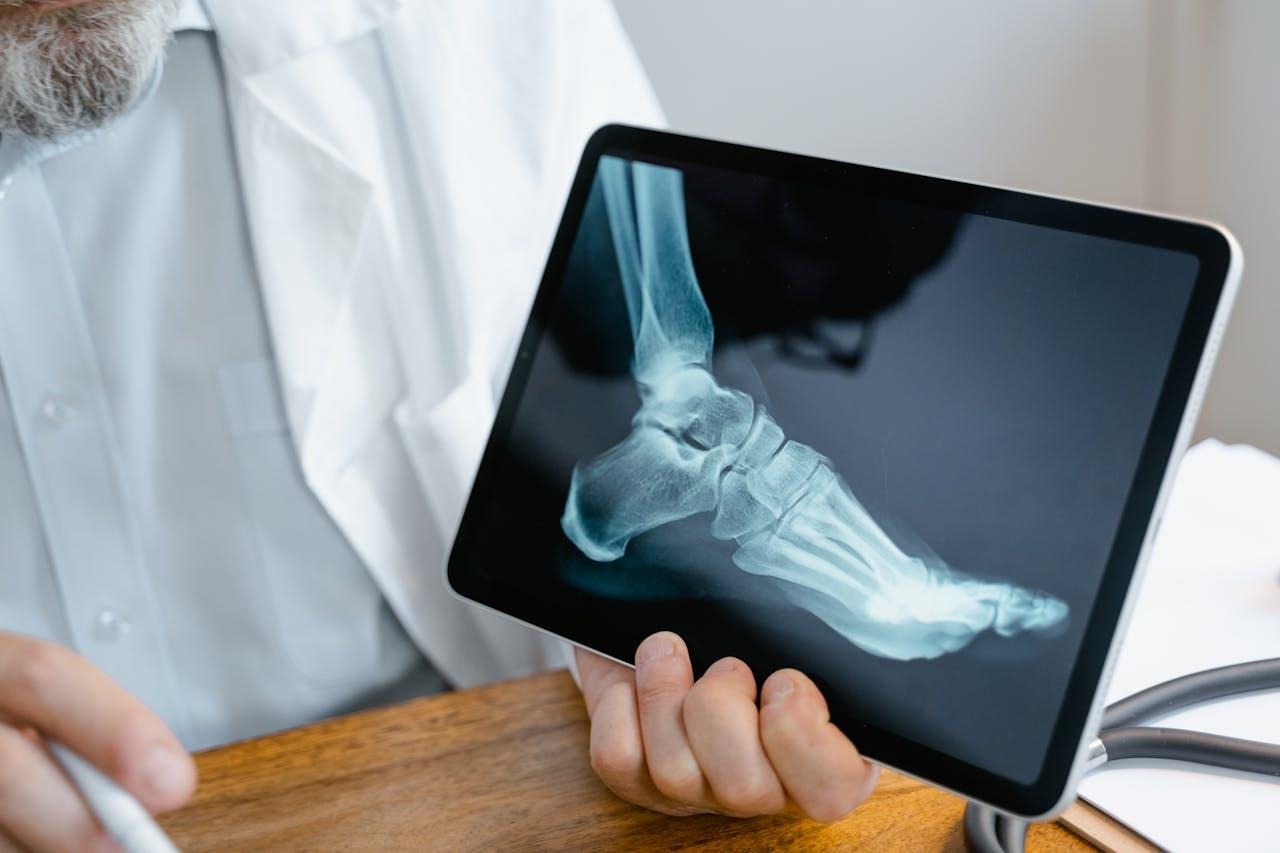
Then we have to talk about the technology behind revealing such injuries in both racehorses and humans. Veterinarians working with racehorses often rely on advanced imaging tools such as MRI scans, CT scans, and even ultrasound technology. They are able to detect injuries before they become catastrophic.
These tools allow specialists to identify even the slightest bone changes or tendon damage that may not yet be visible through traditional exams. The interesting part is that some of these imaging techniques were refined in veterinary medicine before becoming widely used in human orthopedics.
Since racehorses are expensive, and they have always been high-value athletes, the racing industry has always pushed innovations and invested heavily in technologies that might detect injuries early. Those are the same technologies that are now helping doctors diagnose injuries in human patients.
Regenerative Treatments and Stem Cells
But it’s not everything for diagnosing. As we all know, injuries in sports, whether on animals or on humans, are inevitable. That’s why horse racing has always been a testing ground for new treatments that are designed to speed up healing.
One area that has attracted a lot of attention recently is regenerative medicine. This includes therapies that use stem cells or platelet-rich plasma (PRP). But what does this mean?
Well, treatments aim to stimulate the body’s natural healing processes, which eventually help damaged tendons and ligaments repair themselves more effectively. Veterinarians have been experimenting with these therapies in racehorses for years, particularly when treating tendon injuries, which traditionally take a long time to recover.
Today, we can spot similar treatments in human sports medicine. Professional athletes in football, tennis, and basketball often undergo PRP or stem-cell-based therapies just to help them speed up the recovery process.
And once again, research that began on the racetrack has influenced modern medical practice.
So, even though horse racing may look like a simple competition, behind the curtains, the sport has contributed a surprising amount to orthopedic research. And thanks to racehorses, human athletes suffer fewer injuries, and they recover faster.
