

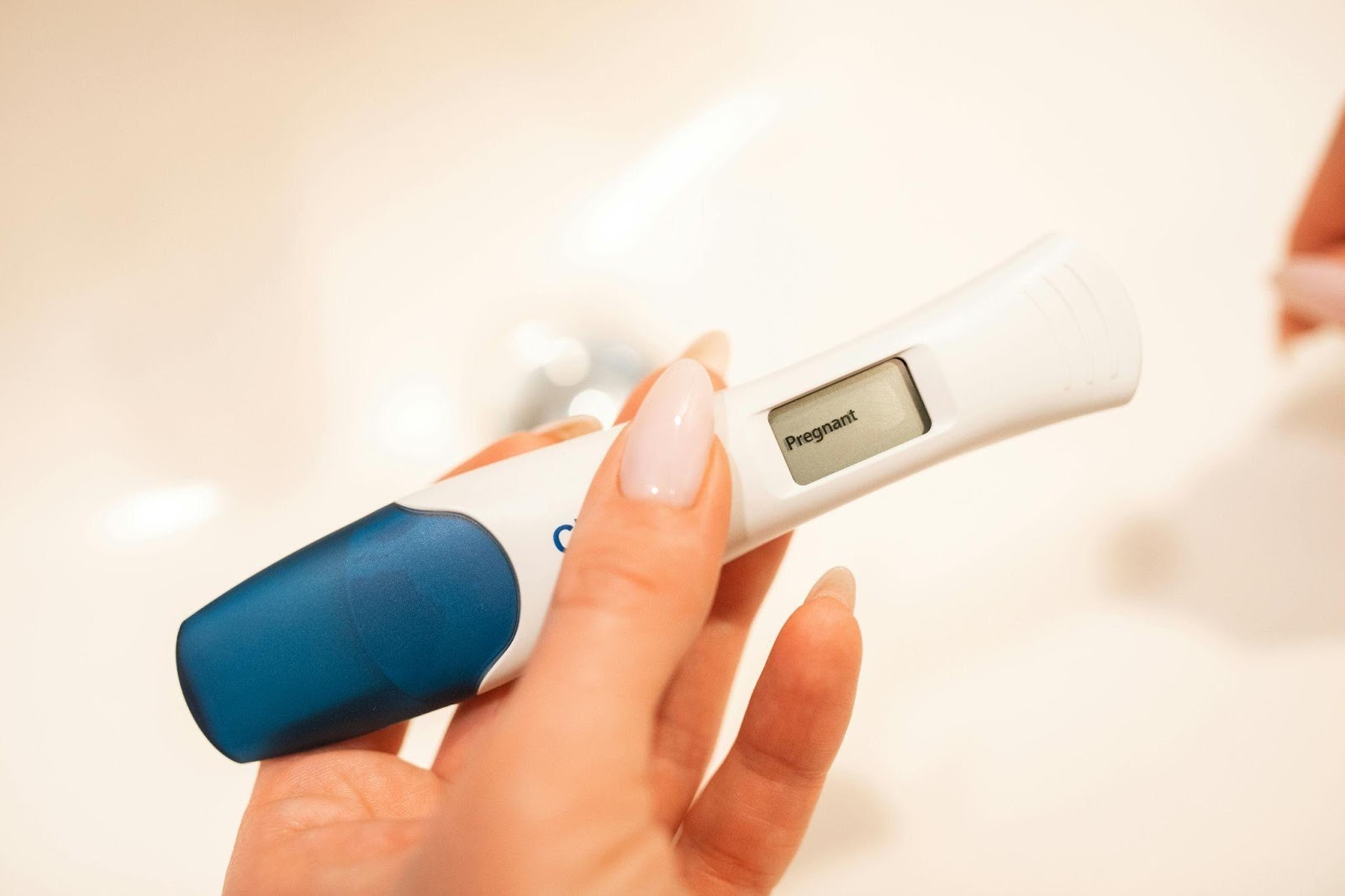
Pregnancy can bring excitement, uncertainty, relief, worry, or many feelings at once. Each response is valid.
In the early weeks, the body may begin changing before a person has clear answers, which is why steady, practical information matters. A supportive approach starts with noticing what feels different, learning what those changes may mean, and knowing when medical care may be needed.
Early pregnancy doesn’t look the same for everyone. Some people notice several symptoms quickly, while others feel very little at first. That difference can be normal. Tracking changes in energy, appetite, sleep, mood, and physical symptoms can make the first weeks feel less confusing and more manageable.
Noticing the First Signs
It’s common to search for symptoms of pregnancy after sex when the body feels different and the timeline is unclear. In most cases, symptoms don’t begin right away. Pregnancy symptoms usually appear after fertilization and implantation, which take time. That is why very early body sensations can feel confusing and easy to misread.
The first signs of pregnancy are therefore usually subtle. A missed period may be the most familiar clue, but it’s only one part of the picture. Some people notice breast tenderness, fatigue, nausea, food aversions, bloating, light cramping, or mild spotting. Others become more sensitive to smells, feel unusually emotional, or need more rest than usual.
These early changes are often linked to rising hormone levels. That shift can affect digestion, sleep, body temperature, and energy in ways that feel unfamiliar. Symptoms may also come and go. A quieter day doesn’t automatically signal a problem.
How to Track Changes
It helps to look for patterns instead of focusing on one isolated sensation. Notice when symptoms begin, how intense they feel, and whether they change during the day. This creates a clearer picture of what your body is doing. It can also make future conversations with a healthcare professional more useful and specific, especially if you are deciding when to test or seek care.
A simple tracking routine can make this stage feel more grounded. Choose one place to record symptoms each day. A notes app, dedicated tracking app, small journal, or calendar can all work well. Keep your focus on details that are actually useful, such as:
- Date each symptom appeared,
- Time of day it was noticed,
- Whether it felt mild, moderate, or strong,
- Any spotting or bleeding changes,
- Nausea, fatigue, breast tenderness, or cramps,
- Home pregnancy test results.
Tracking doesn’t need to be complicated. A short daily record can turn uncertainty into information. It can also help you decide when to retest, call a clinic, or ask more focused questions during an appointment.
Knowing What Is Common
Understanding what is typical can reduce unnecessary worry in the early weeks. Clear expectations help people respond to their bodies with more confidence and less uncertainty.
Fatigue is one of the earliest symptoms many people notice. Rising progesterone can make the body feel unusually tired, even when routines have not changed.
The American College of Obstetricians and Gynecologists says nausea and vomiting in pregnancy often begin before nine weeks, although each experience is different.
Frequent urination, bloating, constipation, and a stronger sense of smell can also appear in the first trimester. These changes may feel disruptive, but they are often part of normal hormonal adjustment. What matters most is whether symptoms become severe or start interfering with eating, drinking, sleep, or daily function.
A symptom may be common without feeling easy. If pain becomes significant, nausea prevents you from getting fluids in, or bleeding is heavier than light spotting, it’s wise to seek medical guidance promptly.
How to Support Your Body in the Early Stages
Early pregnancy care isn’t about doing everything perfectly. It’s about giving the body steady support while it adapts to rapid change. If you want to continue with the pregnancy, a few practical habits can make the first weeks easier, especially when symptoms are shifting from day to day.
Hydration is a good place to start. Small sips throughout the day may feel easier than large glasses of water, especially if nausea is present. Regular meals with protein, fiber, and gentle carbohydrates can also help support energy and reduce stomach discomfort. Rest matters too. Early fatigue is real, and responding to it with more sleep can be helpful.
If you are unsure about continuing the pregnancy or decide not to continue, you are not alone. It can help to seek accurate information and supportive, nonjudgmental care.
A qualified healthcare provider can explain options, answer questions, and help you make the decision that is right for your life and health.
When to Reach Out to a Medical Professional
Many early pregnancy symptoms can be managed at home, but some changes deserve prompt medical attention. This isn’t about creating fear. It’s about recognizing signs that may need faster support. Knowing what to watch for can make decision-making feel clearer in stressful moments.
Seek medical care if you notice any of the following:
- Heavy bleeding,
- Severe abdominal or pelvic pain,
- Fainting,
- Fever,
- Shoulder pain,
- Vomiting that prevents fluids from staying down,
- Sudden worsening of symptoms with dizziness, weakness, or signs of dehydration.
These symptoms don’t always point to the same cause, but they do deserve timely evaluation. Before calling a clinic, it may help to write down the date of your last period, home test results, symptom timing, pain level, and any bleeding changes. This can help a clinician assess the situation more quickly.
You don’t have to feel embarrassed for asking questions early. Reaching out for care is a responsible and compassionate step.
Listening to Your Body’s Early Signals
Early pregnancy can feel uncertain, especially before routines, test results, and appointments are in place. Paying attention to body changes in a calm, organized way can make this period easier to understand.
Tracking symptoms, supporting nutrition, and knowing which signs need medical attention all help create a clearer picture of what is happening.
The most important reminder is that there is no single correct way to experience early pregnancy. Some people feel many changes quickly, while others notice very little at first.
Both experiences can be normal. What matters is staying informed, responding with kindness, and seeking support when something feels off. Accurate information and compassionate care can make the first weeks feel less overwhelming and more grounded.
