

The healthcare industry is constantly seeking qualified professionals to fill critical roles such as practical nurses and medical assistants. Given the rising demand, individuals considering these careers should be informed about the resources available for training and certification. From educational institutions to online courses, there are numerous pathways to develop the required skills and knowledge in these fields. Individuals interested in a career in practical nursing or medical assisting have a wealth of resources at their disposal to help them succeed. Below, we explore the various tools and programs that can aid in achieving professional competence and advancement in these important healthcare positions.
Exploring Educational Pathways for Aspiring Practical Nurses
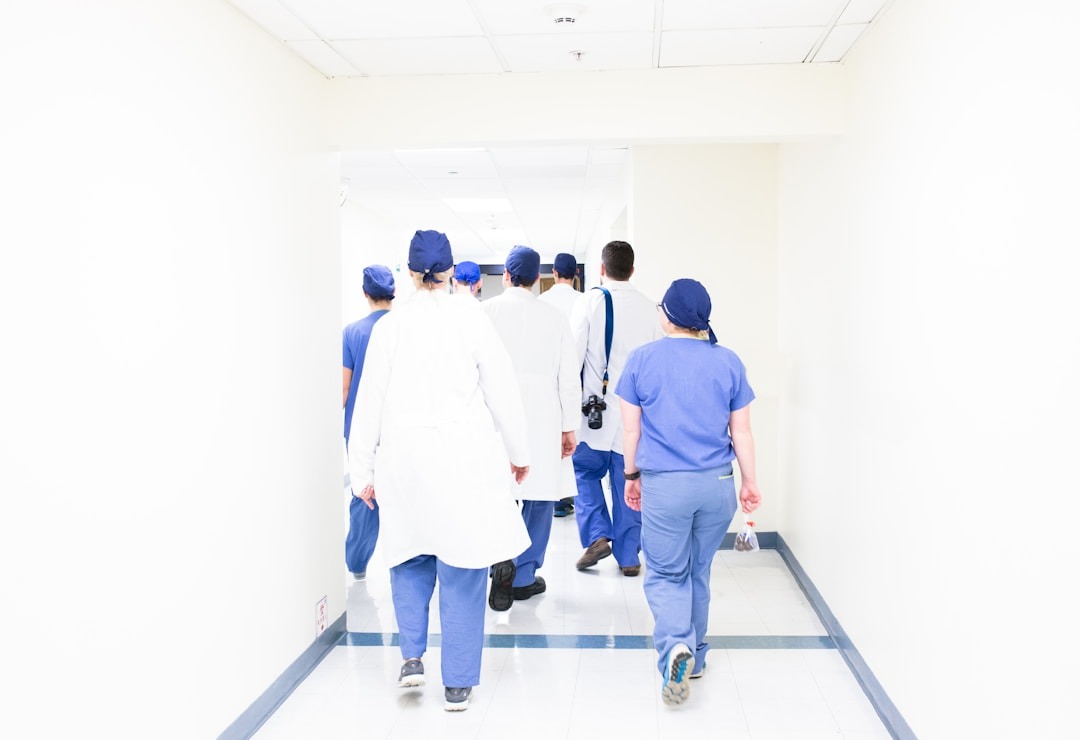
Choosing the right educational program is fundamental for those aspiring to become practical nurses. A quality program should provide a blend of theoretical knowledge and hands-on training. In the United States, prospective practical nurses must complete a state-approved practical nursing program to be eligible for licensure.
Institutions like community colleges, technical schools, and private healthcare academies offer these programs. Specific programs may also include internships or externships with healthcare facilities, which provide real-world experience. For instance, quality training and education for the practical nursing and medical assisting fields can be critical in preparing students for the demands of their future roles.
Aspiring nurses should look for programs with high licensure exam pass rates and strong employment outcomes. It’s beneficial to speak with alumni or attend open houses and orientations to get a feel for the program’s culture, support services, and post-graduation resources.
Key Skills Development Resources for Medical Assistants
Medical assistants are integral to the operation of healthcare facilities, performing a mix of administrative and clinical tasks. Building a strong foundation of skills is crucial for efficiency and patient care. Some essential skills include patient communication, medical terminology, and an understanding of health records management.
Resources for skill development range from on-the-job training in clinics or hospitals to formal education through certificate programs. Professional workshops, webinars, and online platforms offer additional opportunities to refine skills in areas like Phlebotomy, EKG, and billing software. Continual learning ensures that medical assistants stay current with evolving healthcare practices and technologies.
Seeking mentorship from experienced practitioners and joining professional associations can also provide invaluable insights into best practices and offer guidance for career growth. Engaging with a community of peers helps foster professional identity and continuous personal development.
Navigating Licensing and Certification for Nursing Professionals
For practical nurses, obtaining licensure is a critical step towards entering the profession. Licensing requirements vary by state but generally include completing an approved nursing program and passing the National Council Licensure Examination for Practical Nurses (NCLEX-PN).
Beyond the initial licensing, nursing professionals often pursue specialized certifications to demonstrate expertise in specific areas of care, such as gerontology or IV therapy. These certifications, offered by organizations like the American Nurses Credentialing Center, may require additional coursework, exams, and clinical experience.
Prospective nurses should start preparing for the licensure exam well in advance, utilizing resources such as prep courses, practice tests, and study groups. Staying informed about state-specific requirements for licensure renewal, which may include continuing education credits, is also important for maintaining professional standing.
Accessing Continuing Education Opportunities in Nursing and Medical Assistance
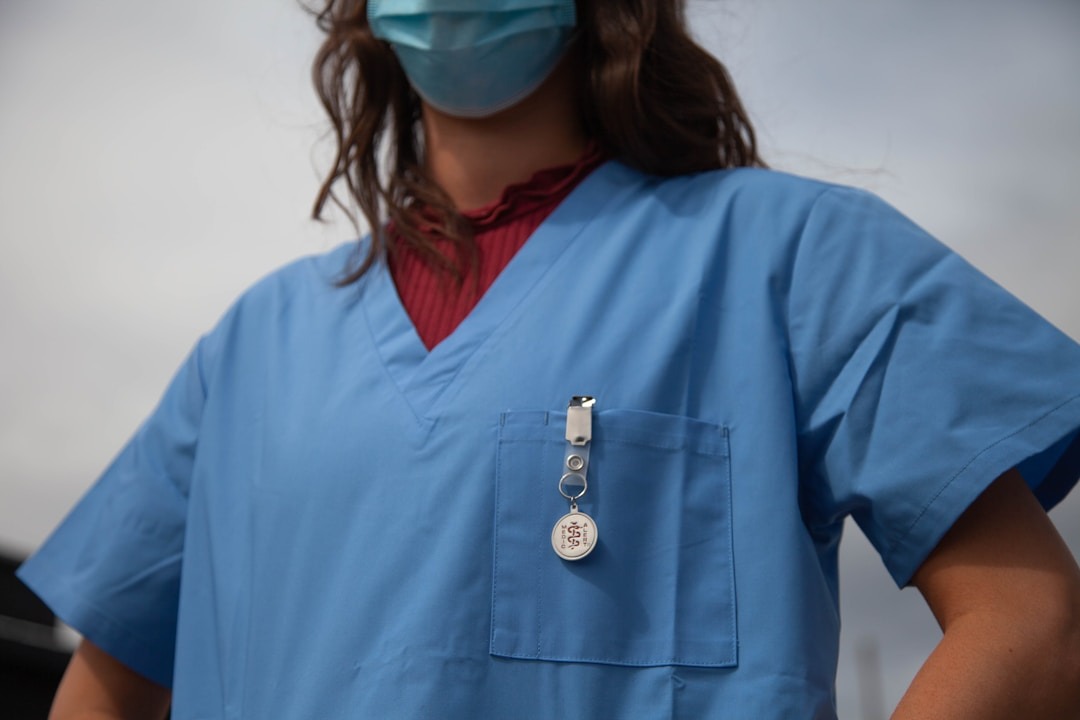
To maintain licensure and grow professionally, nurses and medical assistants must engage in ongoing education. Continuing education (CE) units are not only required for license renewal but are an avenue for practitioners to expand their knowledge and competencies in this dynamic field.
There are a multitude of CE opportunities available, including online seminars, college courses, training sessions, and conferences. These programs focus on a wide array of subjects, from the latest medical technologies to updates in patient care protocols. Employers often sponsor CE opportunities for their employees to ensure that their staff remain at the forefront of industry standards.
When selecting CE programs, it’s important to verify that they are accredited and recognized by relevant professional bodies. It’s also advisable to choose topics that align with personal career goals and interests to maximize the benefits of the educational experience.
Overall, the journey to becoming a practical nurse or medical assistant involves dedicated study, skill development, and adherence to certification standards. With a clear understanding of the educational pathways, resources for skills enhancement, licensing procedures, and continuing education opportunities, individuals can navigate their careers with confidence and competence. Both professions offer rewarding pathways for those committed to the care and well-being of patients in the healthcare system.
