

Preparing for dental surgery involves more than scheduling an appointment and arranging time off work. What you eat, how you care for your mouth, and the condition of your overall health all play an important role in how well your body responds to a surgical procedure. Good preparation can reduce complications, shorten recovery time, and improve long-term outcomes.
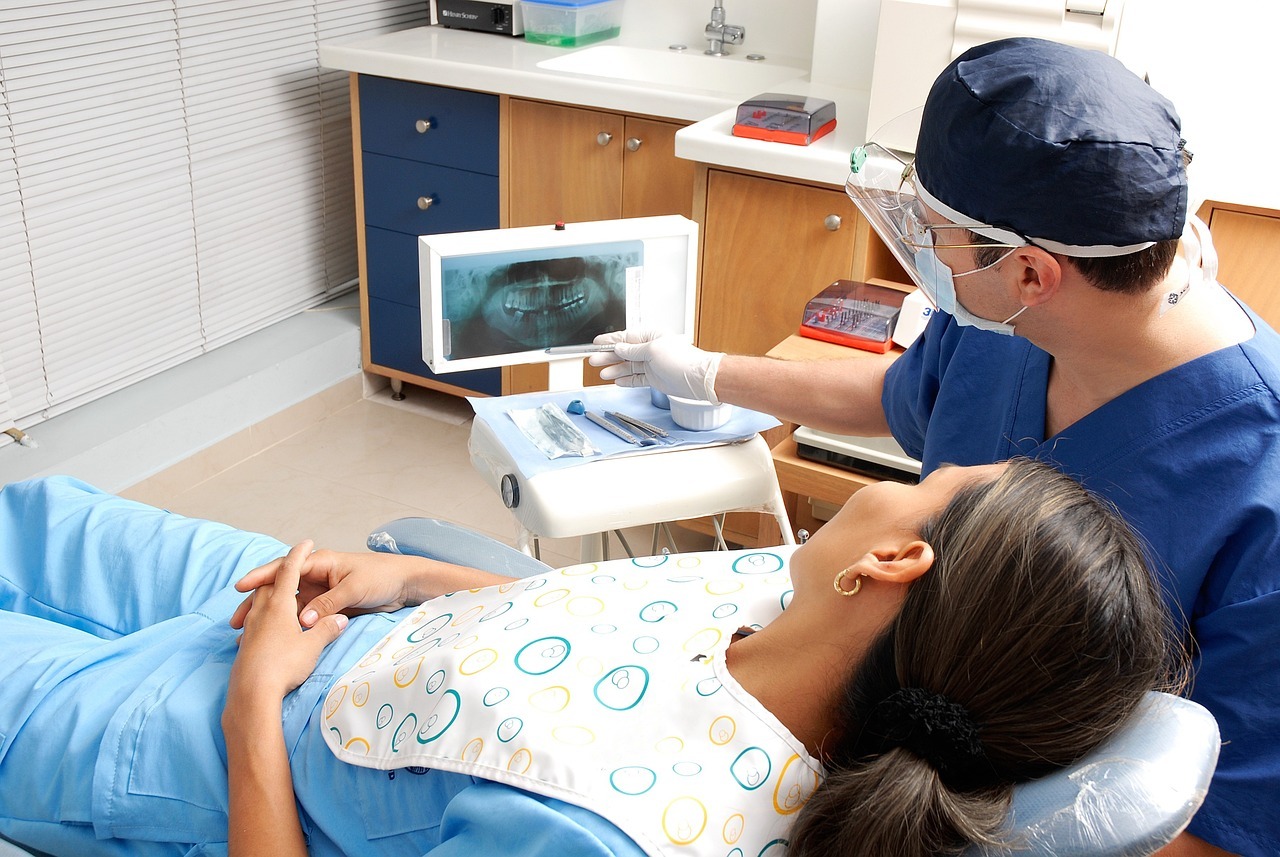
Image Free for Use on Pixabay
In modern surgical dentistry, patients are increasingly aware that procedures such as extractions, bone grafts, and even affordable dental implants are long-term investments in their health. Supporting the body through proper nutrition and a balanced oral microbiome before surgery helps create the right environment for healing and stability, making the procedure safer and more predictable.
Why Pre-operative Preparation Matters in Surgical Dentistry
Dental surgery places controlled stress on the body, especially on the gums and bone. The body must manage inflammation, fight potential infection, and rebuild tissue, all at the same time. When a patient is well prepared, these processes happen more efficiently.
Poor preparation, on the other hand, can slow healing and increase the risk of post-operative complications. Issues such as prolonged swelling, infection, or delayed bone integration are more likely when nutrition and oral health are neglected before surgery.
The Role of Nutrition in Pre-surgical Dental Health
Nutrition provides the building blocks the body needs to heal and defend itself. In the weeks leading up to dental surgery, dietary choices can either support or hinder recovery. Understanding which nutrients matter most helps patients make simple, effective changes.
How Nutrition Impacts Healing and Immunity
The immune system relies on adequate nutrients to respond to surgical stress. When nutrient levels are low, the body may struggle to control inflammation and repair damaged tissue. This can lead to discomfort and slower healing after dental procedures.
Good nutrition also supports circulation, which delivers oxygen and nutrients to the surgical site. This is especially important for oral tissues, which heal quickly when properly supported.
Key Nutrients to Focus on Before Dental Surgery
Certain nutrients play a direct role in oral healing and immune strength. Focusing on these in the pre-operative period can make a noticeable difference.
- Protein
Protein is essential for repairing soft tissue and building new cells. Adequate intake helps gums heal properly and supports bone regeneration after surgical procedures. - Vitamin C
Vitamin C supports collagen production, which is vital for gum strength and wound closure. It also helps the immune system control inflammation and fight bacteria. - Vitamin D and Calcium
These nutrients work together to maintain strong bones. They are particularly important for surgeries involving the jawbone, as they support proper bone remodeling. - Zinc
Zinc contributes to immune function and tissue repair. Even mild deficiencies can slow healing and increase susceptibility to infection.
Foods to Encourage and Foods to Avoid
Choosing the right foods before surgery supports both general health and oral tissues. Soft, nutrient-dense options are ideal during this period.
- Foods to encourage include lean meats, eggs, yogurt, cooked vegetables, and soft fruits. These provide essential nutrients without irritating the gums or teeth.
- Foods to avoid include sugary snacks, highly processed foods, and excessive alcohol. These can increase inflammation and promote harmful bacterial growth in the mouth.
Understanding the Oral Microbiome
The mouth contains a complex community of bacteria known as the oral microbiome. Some bacteria protect oral tissues, while others contribute to inflammation and disease. Balance, rather than total elimination, is the key to oral health.
When the oral microbiome is disrupted, harmful bacteria can dominate. This imbalance can interfere with healing and increase the risk of infection following dental surgery.
What Is the Oral Microbiome?
The oral microbiome includes hundreds of bacterial species living on the teeth, gums, and tongue. Many of these bacteria are beneficial and help maintain a healthy environment.
Problems arise when poor hygiene, diet, or lifestyle factors allow harmful bacteria to multiply. This can lead to gum inflammation, decay, and complications during surgical recovery.
How the Oral Microbiome Affects Surgical Outcomes
A balanced oral microbiome supports clean surgical sites and predictable healing. Harmful bacteria, however, can enter surgical wounds and slow tissue repair.
In procedures involving implants or bone grafts, bacterial balance is especially important. Excessive inflammation or infection can interfere with proper integration and long-term success.
Optimizing the Oral Microbiome Before Surgery
Improving oral bacterial balance does not require extreme measures. Consistent hygiene, smart dietary choices, and professional guidance can significantly improve conditions before surgery.
Daily Oral Hygiene Practices That Matter Most
Effective oral hygiene reduces harmful bacteria and supports gum health. Focusing on technique and consistency is more important than aggressive cleaning.
- Gentle brushing twice daily removes plaque without damaging gum tissue. Using a soft-bristled brush helps prevent irritation before surgery.
- Interdental cleaning targets areas between teeth where bacteria often accumulate. This step reduces inflammation and supports healthier gums.
- Dentist-recommended rinses may be used when appropriate. These can help control bacteria without disrupting the natural balance when used correctly.
Diet and Lifestyle Factors That Influence Oral Bacteria
What you eat and how you live directly affect the oral microbiome. Sugar feeds harmful bacteria, while smoking reduces blood flow and impairs immune response.
Staying hydrated supports saliva production, which naturally cleans the mouth and controls bacterial growth. Reducing alcohol intake also helps maintain a healthier oral environment.
Probiotics and Professional Guidance
Some patients may benefit from oral probiotics or targeted products. These should only be used under professional guidance to avoid unintended imbalance.
Dentists can recommend appropriate timing and products based on individual risk factors. Personalized advice is far more effective than self-directed experimentation.
How Dentists Can Guide Pre-operative Preparation
Dental professionals play a key role in preparing patients for surgery. Pre-operative consultations allow dentists to identify risk factors and provide tailored recommendations.
This guidance may include nutritional advice, hygiene adjustments, or short-term interventions to reduce inflammation. Clear communication helps patients feel confident and informed before their procedure.
Image by volodymyr007 on Pixabay
Practical Steps Patients Can Start Weeks Before Surgery
Preparation is most effective when started early. Simple habits introduced two to four weeks before surgery can significantly improve outcomes.
- Gradual dietary improvements allow the body time to replenish nutrients. Sudden changes are less effective than consistent habits.
- Improved oral hygiene routines reduce inflammation and bacterial load. Small daily efforts add up over time.
- Addressing existing gum issues before surgery reduces complication risks. Treating inflammation early supports smoother healing.
- Following professional advice ensures preparation is safe and appropriate. Personalized plans are more reliable than generic tips.
Preparing the Body for Better Surgical Outcomes
Successful dental surgery begins long before the day of the procedure. Nutrition and oral microbiome balance work together to support healing, reduce risk, and improve comfort.
By making thoughtful changes and working closely with dental professionals, patients can approach surgery with greater confidence. Preparation is not complicated, but it is powerful, and it sets the foundation for lasting oral health.
