

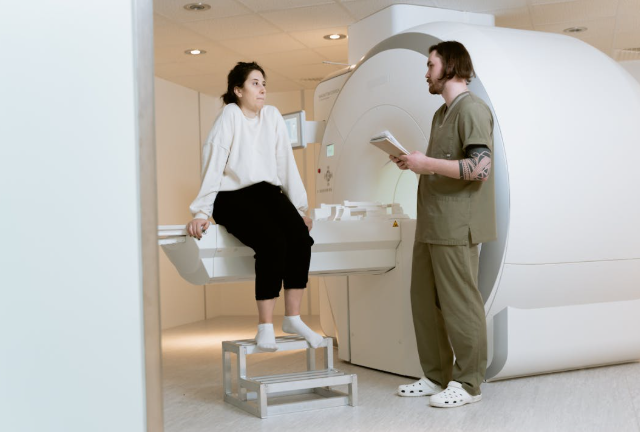
Many serious health problems do not start with pain or clear warning signs. People often feel normal while changes build inside the body. By the time symptoms appear, treatment becomes harder and options become limited. This delay creates stress for patients and doctors alike. Preventive healthcare aims to break that pattern. It focuses on finding problems early, when they are easier to manage.
Medical imaging plays a quiet but important role in this process. It helps doctors see what cannot be felt or noticed during routine visits. Imaging allows care teams to act before a condition affects daily life. For patients, this can mean fewer surprises and more control over their health. For providers, it supports better planning and safer care. Understanding how imaging supports prevention helps people make informed choices instead of waiting for problems to grow.
Understanding preventive healthcare
Preventive healthcare focuses on staying healthy rather than treating illness after it begins. It includes regular checkups, screenings, and monitoring based on age, history, and risk. The goal is to find issues early and address them before they grow into serious problems. This approach helps reduce sudden health events and supports long-term care.
Medical imaging plays a practical role in this process. Many healthcare providers rely on imaging systems by Numed to support preventive screenings and early evaluations, especially when symptoms are not yet present. Numed works with healthcare facilities to provide diagnostic imaging solutions across multiple modalities, including MRI, CT, PET, and nuclear medicine. Clear images help doctors confirm concerns, rule out issues, and decide next steps with more confidence. Imaging adds clarity where physical exams alone fall short.
Why early detection matters
Finding a problem early often changes the entire care plan. Small issues are easier to treat and easier to monitor. Early action can limit the need for surgery or long recovery periods. It also gives patients more time to understand their options.
Imaging supports early detection by revealing changes before symptoms begin. A scan can show growth, blockage, or wear that would not appear in routine exams. When doctors catch these signs early, they can adjust care plans right away. This proactive approach leads to better outcomes and fewer complications.
Imaging as a preventive tool
Many people think imaging only happens after something feels wrong. In preventive care, imaging often comes first. Doctors use it to check known risk areas or confirm normal findings. This step builds confidence for both patients and providers.
Preventive imaging supports regular monitoring. It allows doctors to compare images over time and spot small changes. These patterns matter. They help providers decide when to act and when to watch. This balance reduces unnecessary tests while keeping care focused.
Cancer screening and early care
Cancer often grows quietly in early stages. Imaging helps detect these changes before symptoms appear. Screenings like mammograms and low-dose scans allow doctors to find concerns sooner. Early discovery often means simpler treatment plans.
Imaging also helps track changes over time. Doctors can see if an area remains stable or needs attention. This follow-up reduces uncertainty for patients. It also supports timely care without rushing into treatment.
Protecting heart and vascular health
Heart and blood vessel issues often develop slowly. Imaging helps doctors spot narrowing, buildup, or changes in structure. These findings support early lifestyle changes or treatment adjustments.
By using imaging as part of routine care, providers can guide patients before serious events occur. Clear images help explain risks and encourage action. Patients gain a better understanding of their heart health and how to protect it.
Supporting bone and joint health early
Bones and joints change with age, activity, and health conditions. Many issues start small and cause no pain at first. Imaging helps doctors see early loss of bone strength, joint wear, or small injuries. This matters because early care can slow further damage.
Scans such as bone density tests help assess fracture risk before a break occurs. Joint imaging can show early arthritis or alignment problems. With this information, doctors can suggest exercise, therapy, or treatment sooner. Patients benefit from fewer injuries and better mobility over time.
Keeping chronic conditions under control
Chronic conditions often require long-term care and close tracking. Imaging helps doctors see how a condition changes, even when symptoms stay the same. This includes lung disease, joint disorders, and many long-term health issues.
Regular imaging helps confirm whether treatment works as planned. It also helps doctors adjust care before problems worsen. Patients gain peace of mind from clear follow-up. Imaging supports steady care instead of waiting for setbacks.
Comfort and access affect prevention
Preventive care only works when people show up. Comfort plays a big role in that choice. Modern imaging focuses on shorter scan times and clear instructions. This reduces anxiety and improves the experience.
Access also matters. Flexible scheduling and reliable equipment make preventive imaging easier to complete. When imaging feels manageable, people are more likely to stay on track with screenings. This leads to better long-term health planning.
Taking an active role as a patient
Patients do not need to wait for symptoms to ask about imaging. Open conversations with providers help clarify when preventive scans make sense. Risk factors such as age, family history, or past conditions guide these choices.
Asking questions helps patients understand results and next steps. Imaging works best when patients stay informed and involved. This shared approach supports trust and better care decisions.
Preventive healthcare focuses on acting early instead of reacting late. Medical imaging supports this goal by revealing changes before symptoms begin. It helps doctors plan care, monitor progress, and reduce unexpected outcomes. For patients, imaging offers clarity and reassurance. When used wisely, it becomes a steady guide toward healthier choices and long-term well-being.
