

“Part of a Person with a Stethoscope.” – Image | Pexels
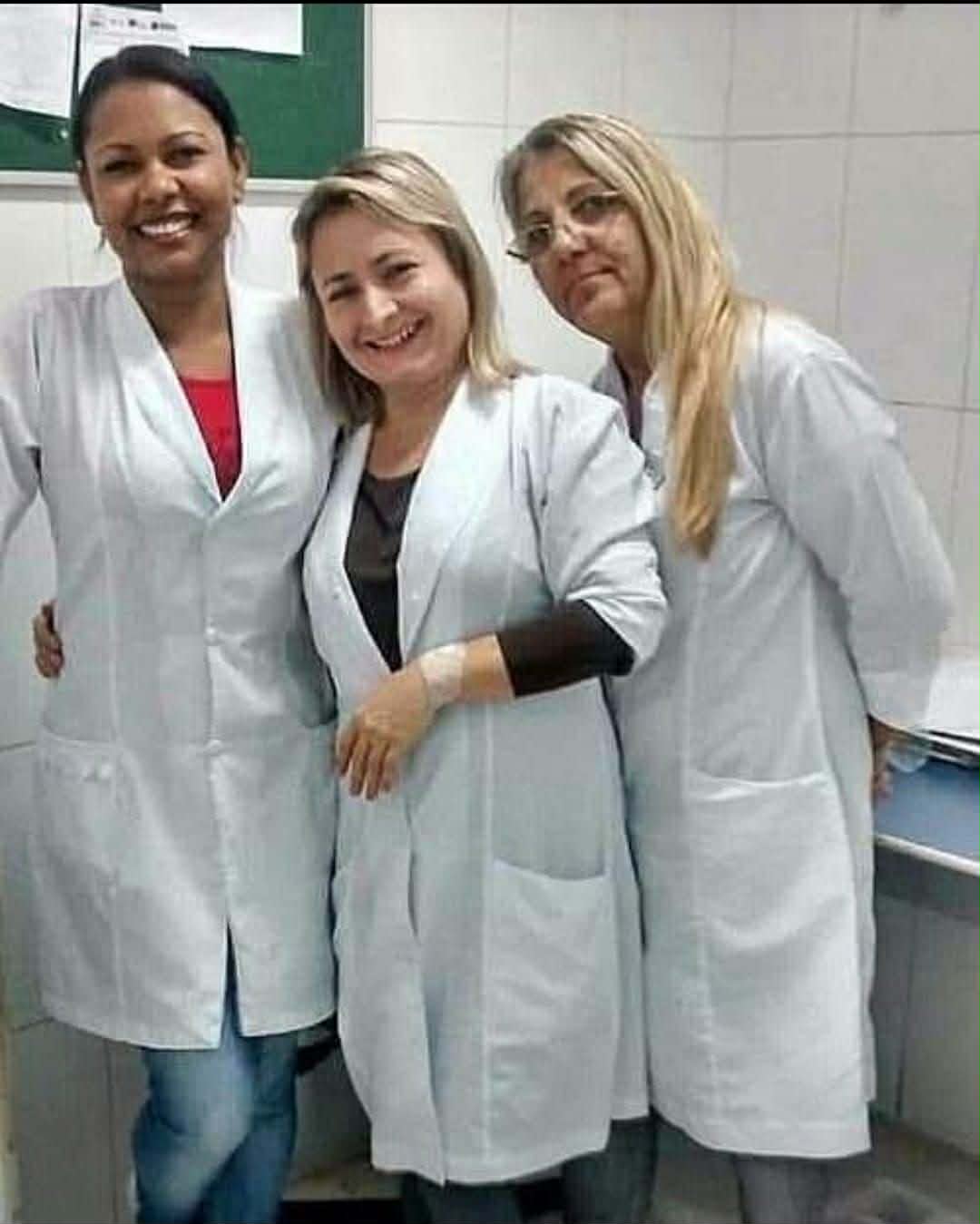
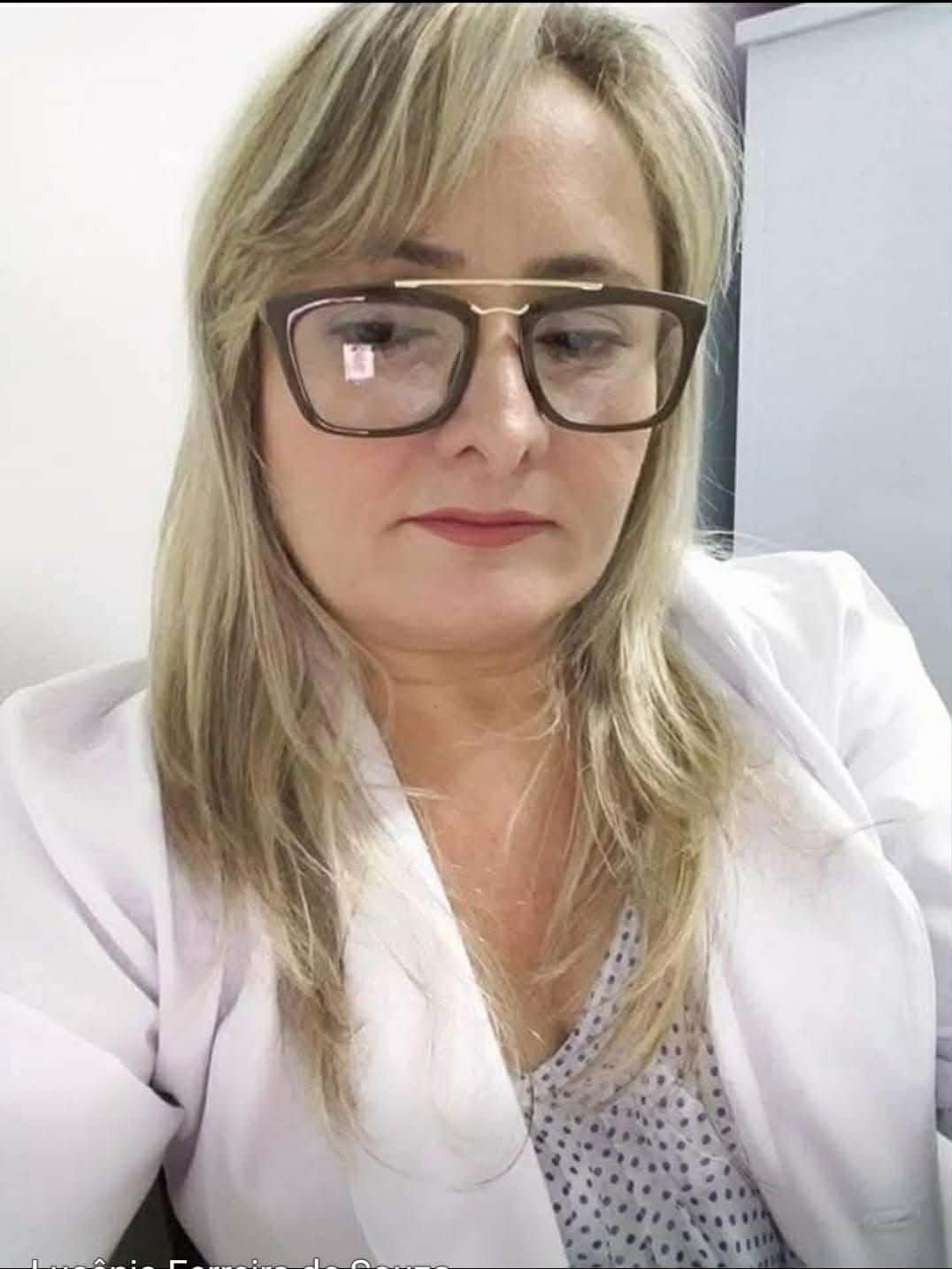
Nurse Lucênia Ferreira de Souza Costa has built a 25-year career in high acuity hospital environments, including pediatric and neonatal intensive care, emergency and urgent care, surgical services, and hospital infection prevention. She has held supervisory positions in both public and private institutions in Brazil and has supported the training of anesthesiology residents and technical nursing students. Her path reflects the type of advanced nursing practice and leadership increasingly emphasized by global organizations such as the World Health Organization, which highlight nurses as central to safe and effective health systems.
Her work spans direct clinical care, operational supervision, multidisciplinary coordination, and the training of new professionals. This combination of bedside expertise and leadership responsibilities has shaped her reputation as a highly versatile and reliable nursing professional.
Clinical Training and Early Career Development
Lucênia’s interest in healthcare began in childhood and deepened when she helped care for her grandmother during cancer treatment. The experience created a desire to understand illness, support vulnerable patients, and develop strong clinical competence. She enrolled in a nursing assistant program to gain practical and scientific knowledge to contribute meaningfully to patient care.
She began her professional career in 1988 at Hospital Santa Genoveva in Goiânia. Her first assignment in the coronary unit required precise monitoring, careful execution of care plans, and the ability to work closely with physicians and technicians. She was later transferred to the postoperative cardiac transplant ICU, which was the first hospital unit in Goiás to perform heart transplants. This exposure to advanced cardiac care strengthened her clinical judgment and confidence in high-acuity environments.
Expansion of Expertise in Anesthesiology and Perioperative Care
In 1992, Lucênia was invited to join the anesthesiology team at the Orthopedic Hospital of Goiânia. The service was establishing a new medical residency program, and she played a supporting role for both preceptors and residents. Over 16 years, she assisted with administrative processes, perioperative workflows, and anesthetic procedures. This experience allowed her to develop an in-depth understanding of the surgical environment, patient monitoring procedures, and anaesthesia-related safety practices.
Her growing familiarity with perioperative and infection control practices aligned with international recommendations on patient safety, including those published by the Association for Professionals in Infection Control and Epidemiology (APIC).
During this period, she passed competitive public examinations for positions in the Goiás State Health Department and the Federal District Hospital Foundation. She opted for the Goiás position, which enabled her to return to university. In 2008, she completed her nursing degree and transitioned to more advanced leadership roles.
Leadership in Surgical Services and Infection Prevention
After becoming a registered nurse, Lucênia joined Clínica Santa Paula (formerly HTO) as supervisor of the surgical center. Her responsibilities included staff allocation, case flow organization, sterile processing oversight, and coordination with surgical and anesthesia teams. Her performance led to promotion as general coordinator of the nursing department and head of the Hospital Infection Prevention and Control Center (CCPIH).
In this role, she integrated clinical protocols, surveillance data, and regulatory requirements to strengthen infection prevention strategies. Her responsibilities included:
- Developing and updating infection control procedures
- Leading educational programs for staff
- Supporting compliance with aseptic technique and hand hygiene
- Facilitating communication between clinical teams and hospital administration
Her work aligns with contemporary infection prevention frameworks, as outlined in the Springer Nature discussion on the role of nurses in patient safety and infection control.
Critical Care Leadership in Pediatric and Neonatal Settings
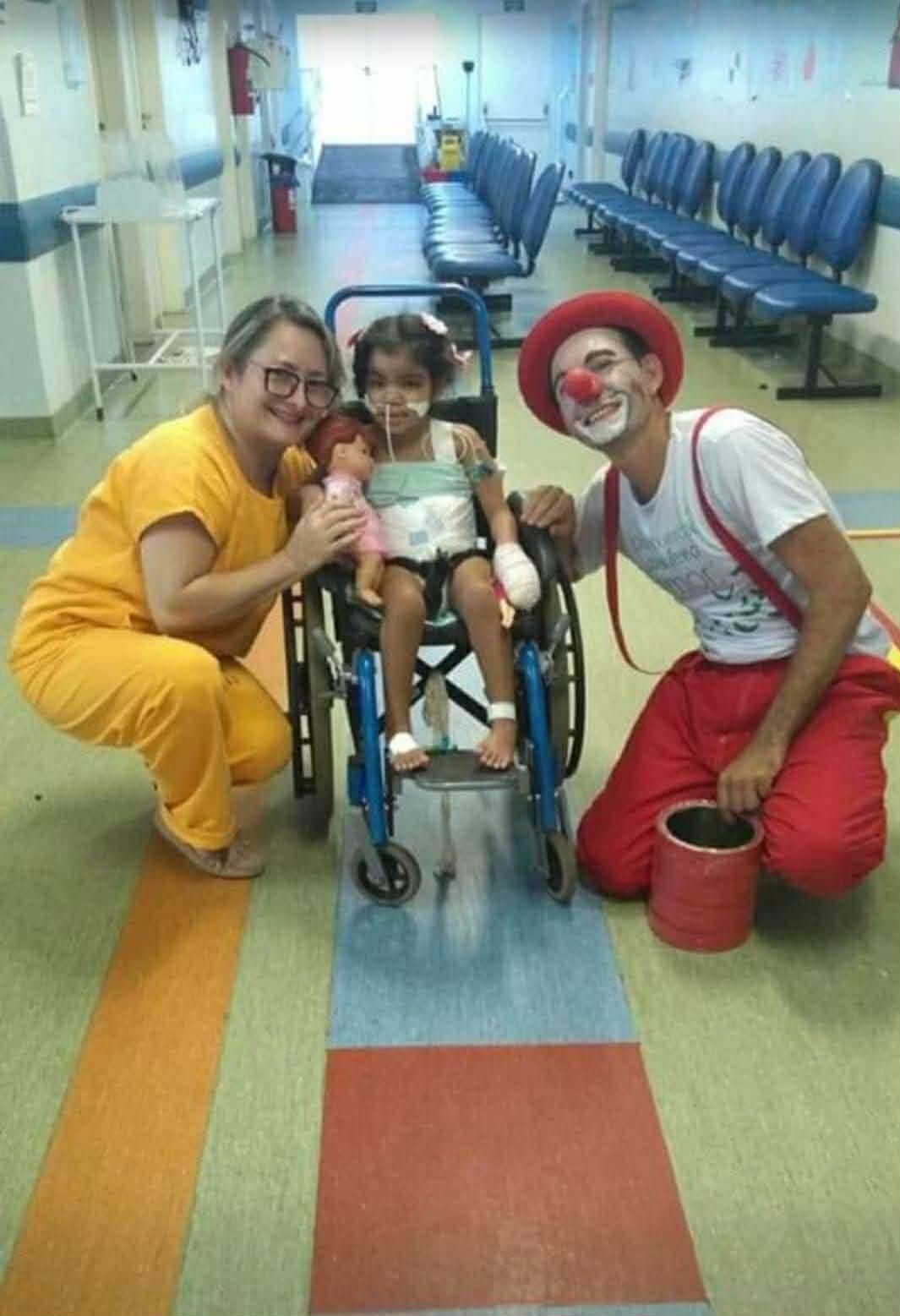
From 2013 to 2018, Lucênia served under the Hospital Management Institute at the Maternal and Child Hospital of Goiânia. She supervised nursing teams in the pediatric emergency department, the emergency unit, the pediatric ICU, and the neonatal ICU. These units required precise assessment skills, rapid decision-making, and coordinated care for patients with complex conditions.
Her cross-unit responsibilities allowed her to support continuity of care, reinforce clinical protocols across departments, and mentor nurses working in high-pressure environments. Her work contributed to more consistent standards throughout the maternal and child health service.
Case Report: Psychosocial Barriers in Early Breast Cancer Treatment
“A Nurse and Patient Doing a Handshake.” – Image | Pexels
During postgraduate studies in Public Health, Lucênia participated in a breast cancer research project at the Araújo Jorge Cancer Hospital. One patient she followed became a defining example of the clinical importance of psychosocial assessment.
Clinical Challenge
The patient, a 35-year-old lawyer newly diagnosed with early-stage breast cancer, began missing medical and psychological appointments. She reported fear, emotional distress, and concerns about fertility and the potential impact of treatment on her marriage. Research published in the New Emirates Medical Journal highlights that psychosocial distress can hinder coping, decrease treatment engagement, and negatively affect quality of life in cancer patients.
Nursing Intervention
Recognizing the patient’s risk of delaying treatment, Lucênia made repeated attempts to re-establish contact. With the patient’s permission, she spoke with her mother and husband to provide accurate information about the diagnosis, prognosis, and fertility expectations. She emphasized that the medical team expected an excellent chance of a cure and maintained hope for a future pregnancy. This intervention helped rebuild the patient’s emotional support system and encouraged her to resume both medical and psychological follow-up.
Outcome
The patient re-engaged with treatment. The multidisciplinary team later expressed to her, “Congratulations, Nurse Lucênia, you saved this patient’s life,” a statement that underscored the clinical importance of her intervention.
Contributions to Workforce Development and System Impact
Beyond her clinical and managerial roles, Lucênia contributed significantly to nursing education. She served as a preceptor for students in the technical nursing program at Colégio Vitória, helping bridge classroom concepts with day-to-day clinical practice. Her career trajectory from nursing assistant to supervisory roles aligns with priorities emphasized by the International Council of Nurses, which underscores the importance of structured career pathways and mentorship in strengthening global nursing capacity.
Implications for Clinical Practice and Health System Leadership
“Medical Staff Performing a Surgery.” – Image | Pexels
Lucênia’s career demonstrates key principles relevant to clinicians and hospital leaders:
- Cross-unit experience supports strong clinical judgment
- Infection prevention benefits from nurse-led leadership
- Psychosocial considerations are essential in oncology
- Standardized protocols improve continuity of care
- Mentorship strengthens the healthcare workforce
Her contributions illustrate how experienced nurses can integrate bedside care with leadership responsibilities to improve patient outcomes and operational performance.
Conclusion
Across emergency care, critical care units, surgical environments, and infection prevention programs, Nurse Lucênia Ferreira de Souza Costa has demonstrated consistent dedication to high-quality care, patient safety, and workforce development. Her broad clinical experience and leadership roles highlight the essential contribution of nurses to modern healthcare systems.
About the Author:
Marisa L. Bennett is a clinical writer and nursing education consultant based in California. She specializes in documenting healthcare leadership journeys, workforce trends, and patient safety innovations across the United States and international health systems.
References
- World Health Organization: Nursing and Midwifery Fact Sheet: https://www.who.int/news-room/fact-sheets/detail/nursing-and-midwifery
- Association for Professionals in Infection Control and Epidemiology. Infection Prevention Resources: https://apic.org/infection-prevention/
- International Council of Nurses: https://www.icn.ch
- New Emirates Medical Journal. Exploring Psychosocial Distress in Cancer Patients and Survivors: A Quick Overview: https://www.sciencedirect.com/science/article/pii/S0250688224000069
- Springer Nature. The Vital Role of Nurses in IPC. In: Oomen B, Gastaldi S, editors. Principles of Nursing Infection Prevention Control: Introduction and Global Context of Infection Prevention and Control, Volume 1. 2025: https://link.springer.com/chapter/10.1007/978-3-031-84469-0_3
