

Millions of people deal with joint pain every single year. The problem is, it doesn’t just hurt. It stops you from doing normal stuff like taking the stairs or twisting open a stubborn jar lid. Arthritis causes most of these issues, though injuries and getting older don’t help either.
Here’s what most people don’t realize: you’ve got plenty of treatment choices that skip surgery completely. Doctors like Dr. Roddy McGee start with less intense options and save surgery as a last resort. What works for you depends on why you’re hurting and how much it’s messing up your life.
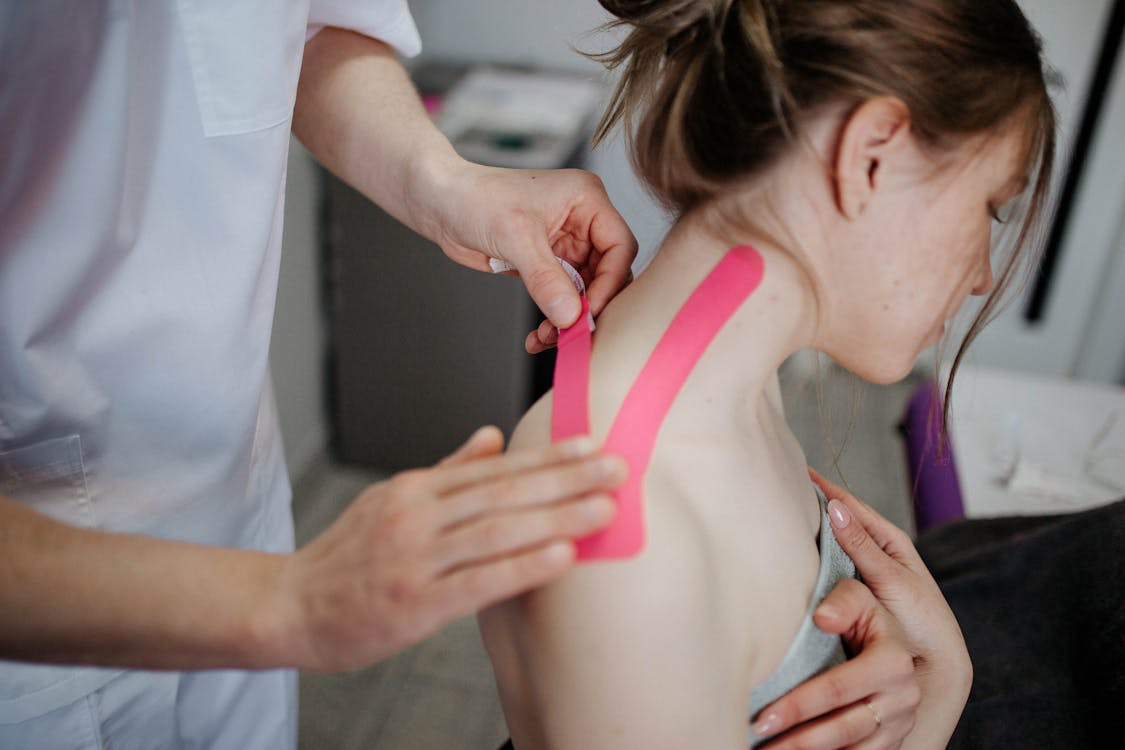
Photo by Danik Prihodko
Physical Therapy and Exercise
Physical therapy actually works, which surprises some people. A therapist looks at your situation and builds exercises around the muscles near your problem joints. When those muscles get stronger, they take over some of the work your joints have been struggling with.
Your program will probably mix stretching with strength work and easy cardio. Balance exercises get thrown in too, especially if you’re older. Water therapy stands out because you get to exercise while the water supports your weight. People with really bad pain find this way easier to handle.
Most people see real changes in about a month. The catch is you’ve got to do the work regularly. Going hard one day and skipping the next three doesn’t help much. These programs usually last six to eight weeks, though lots of folks keep going with easier versions at home.
Nonsteroidal Anti-Inflammatory Drugs
NSAIDs hit both pain and swelling at the same time. Ibuprofen and naproxen sit on drugstore shelves and handle lighter pain pretty well. When those don’t do enough, your doctor can prescribe something stronger.
They work by stopping your body from making the chemicals that cause inflammation. You get better results taking them on schedule instead of waiting till you can’t stand it anymore. Side effects aren’t common, but your doctor needs to check on you if you’re taking them for months.
Food helps prevent stomach trouble when you take NSAIDs. The gel versions let you rub medicine right on the sore spot, which beats having it travel through your whole system. The Arthritis Foundation explains different pain meds in regular English. Understanding what’s available makes doctor visits more productive.
Corticosteroid Injections
These shots put powerful anti-inflammatory medicine straight into your joint. They work fast, which matters when pills aren’t helping enough. How long they last depends on your joint and how damaged it is. Some people get weeks of relief, others get months.
Your doctor does this right in the office. The needle is thin, and some doctors use ultrasound to aim it perfectly. It takes maybe five minutes total. Most people walk out and go back to whatever they were doing.
There are limits though. Shots need three months between them at minimum. Too many can weaken the stuff around your joint. They don’t fix what’s wrong either, just make it hurt less for a while. Your joint might actually feel worse for a day or two after the shot before things improve.
People tend to use these during really bad flare-ups while keeping other treatments going for regular pain.
Platelet-Rich Plasma Therapy
PRP therapy is pretty different from traditional treatments. It pulls healing components from your own blood and puts them where you need help. Your doctor draws blood, spins it really fast to separate out the platelets, then injects that concentrated stuff into your joint.
Platelets carry growth factors that might actually repair damaged cartilage and reduce swelling. Don’t expect quick results though. Improvement creeps up over weeks instead of happening overnight. It seems to help mild arthritis and some sports injuries more than other problems.
You need multiple injections with gaps between them. How well it works varies quite a bit person to person. Insurance coverage is all over the map too. Scientists haven’t totally figured out which conditions benefit most yet.
Joint Replacement Surgery
Surgery enters the picture when other treatments stop controlling your pain. The surgeon cuts out damaged sections and puts in artificial parts made from metal, plastic, or ceramic. Hips and knees get replaced way more than other joints, though shoulders qualify too.
The techniques have improved a ton recently. Lots of patients leave the hospital after just a few days. Rehab starts immediately. Recovery takes months, but you’re looking at major pain relief and getting back to stuff you couldn’t do before.
This decision needs serious thought. People who do well with this usually have terrible pain that wrecks their daily activities. They’ve tried other options without getting enough relief. Research from the National Institutes of Health shows joint replacement gives people their independence back and makes life way better.

Photo by Karolina Grabowska www.kaboompics.com
Getting the Relief You Need
Mixing treatments usually works better than relying on just one thing. Starting simple makes sense because there’s less risk and it often helps plenty. Physical therapy paired with the right pills keeps tons of people away from surgery.
What helps now might not be enough later, so your plan needs to change as your body responds. Stay in touch with your doctor about what’s working and what isn’t. A lot of people get lasting relief by combining small life adjustments with regular exercise and medical help when pain spikes.


