

Title: Names for Weed: A Complete Guide to Gen Z Slang in 2026
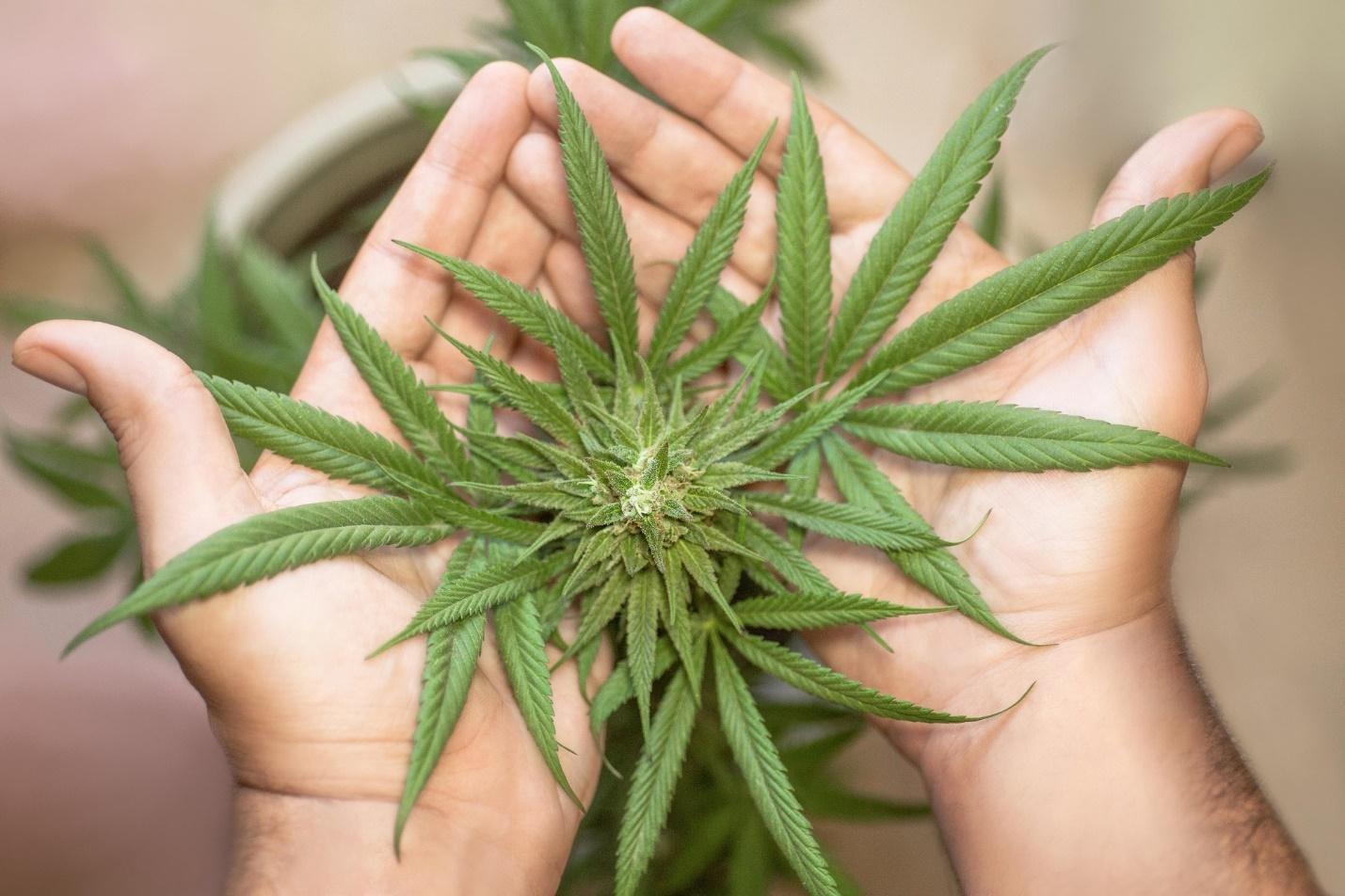
Marijuana has always come with a long list of nicknames, but the language around it changes fast especially among younger generations shaping culture online. If you’ve scrolled through TikTok, Instagram, or group chats and felt lost, you’re not alone. This guide breaks down the most common names for weed, explains where they come from, and unpacks the gen z slang for weed that’s dominating conversations right now.
Why Slang for Weed Keeps Evolving
Slang exists partly for convenience and partly for discretion. Cannabis terminology has shifted across decades from “reefer” in the 1930s, to “pot” and “grass” in the ’60s and ’70s, to “chronic” and “dank” in the ’90s and 2000s. Each generation puts its own spin on the vocabulary, often influenced by music, social media trends, and regional dialects.
Today’s names for weed are shaped heavily by internet culture. Short-form video platforms spread new terms in days rather than years, and slang that starts as a joke in a comment section can become mainstream vocabulary within weeks. Understanding this language isn’t just cultural trivia it also matters for parents, educators, and anyone trying to stay informed about how younger people are communicating.
Classic Names for Weed Everyone Knows
Before diving into newer terms, it helps to cover the foundational vocabulary that’s stuck around for decades:
- Weed – the most universally recognized term
- Pot – an older but still widely used name
- Marijuana / Mary Jane – the formal name and its playful nickname
- Grass – a callback to earlier decades
- Herb – often used as a more discreet or “clean” sounding term
- Bud – referring to the flower itself
- Ganja – rooted in Jamaican and South Asian cultural influence
- Chronic – popularized in ’90s hip-hop culture
- Dank – originally referring to potent, high-quality product, later adopted more broadly online
These classic names for weed laid the foundation for the slang that followed, and many of them are still used interchangeably with newer terms today.
Gen Z Slang for Weed: What’s Trending Now
The gen z slang for weed landscape looks noticeably different from what older generations grew up with. A lot of these terms emerged from social media trends, meme culture, and coded language designed to avoid platform moderation filters.
Coded and Algorithm-Friendly Terms
Because platforms like TikTok and Instagram actively moderate drug-related content, younger users have developed workaround terms to avoid getting flagged:
- Broccoli or lettuce – visual code words based on appearance
- Green – a simple color-based substitute
- Za – shorthand derived from “gas,” referring to high-quality product
- Gas – describing something considered strong or high-grade
- Loud – describing weed with a particularly strong smell
Everyday Conversational Slang
Beyond coded terms, there’s a layer of slang used casually in conversation:
- Bud or nug – referring to individual pieces of flower
- Tree – another word for the plant itself
- Reefer – occasionally used ironically, referencing older generations
- Flower – a more neutral, almost clinical-sounding term that gained popularity as legalization spread
- Sticky icky – an older phrase that resurfaced through meme culture
Slang Tied to Consumption Methods
Some gen z slang for weed doesn’t refer to the substance itself but to how it’s used:
- Blunt, joint, spliff – different rolling methods, each with distinct cultural associations
- Dab – referring to concentrated forms of cannabis
- Vape pen or cart – referring to vaporizer cartridges, now extremely common among younger users
- Bong rip – slang for inhaling from a water pipe
Why This Language Matters Beyond Curiosity
Understanding names for weed and gen z slang for weed isn’t only useful for cultural awareness it’s increasingly relevant for parents, school staff, and anyone paying attention to how substance use conversations show up in everyday language. Slang terms are often used specifically because they’re unfamiliar to adults, which can make it harder to recognize concerning patterns in conversation, texts, or social media activity.
For families navigating questions about substance use, whether casual experimentation or something more serious, staying informed about the language itself is a useful first step. It’s also worth remembering that language around cannabis use doesn’t exist in isolation normalized casual references can sometimes mask deeper patterns of use that are worth paying attention to, especially in younger people balancing social pressure, mental health, and identity development all at once.
When Casual Use Becomes a Bigger Conversation
Not everyone who uses cannabis develops a problematic relationship with it, and casual slang alone isn’t a red flag on its own. But shifts in language can sometimes accompany shifts in behaviour increased secrecy, changes in mood, withdrawal from previous activities, or reliance on substances to cope with stress or anxiety.
If cannabis use is one part of a larger picture that includes other substances, worsening mental health, or family conflict, it may be worth looking deeper than the vocabulary itself. Programs that address co-occurring substance use and mental health conditions often referred to as dual diagnosis care are designed specifically for situations where cannabis use overlaps with anxiety, depression, or other underlying challenges rather than existing as an isolated behaviour.
Staying Informed Without Overreacting
Slang changes fast, and it’s easy to feel like you’re constantly playing catch-up. The goal isn’t to panic over every new term that shows up online most gen z slang for weed is exactly what it looks like: casual, culturally driven language that spreads through humour and shared identity, not necessarily a sign of a deeper issue.
That said, staying generally aware of how language evolves gives parents, educators, and even peers a better foundation for noticing when something feels different. Open conversations, rather than surveillance or assumption, tend to be far more effective at understanding what’s actually going on beneath the slang.
Final Thoughts
From decades-old classics like “pot” and “reefer” to newer, algorithm-dodging terms like “za” and “broccoli,” the language around cannabis continues to shift with culture, technology, and generational identity. Staying familiar with both the names for weed and the constantly evolving gen z slang for weed helps bridge the communication gap between generations and can make it easier to have honest, informed conversations when they matter most.
