

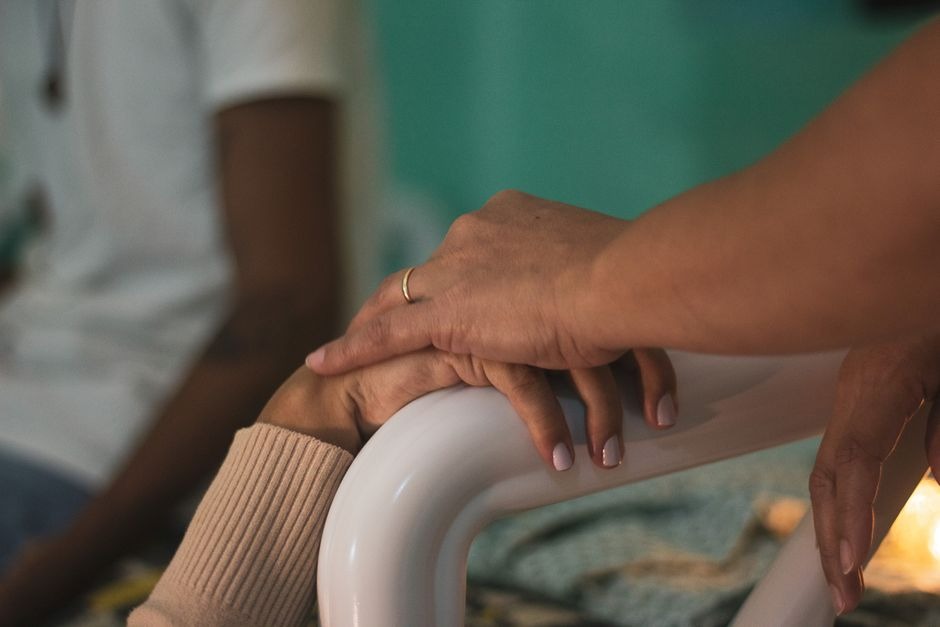
When someone you care about is working through addiction recovery, it’s easy to think you need the perfect words or some superhero-level plan. You don’t. Most of the time, real support looks a lot more ordinary. It’s showing up, staying steady, and making life a little less chaotic. That may not sound flashy, but it matters. In Indiana, where substance use continues to affect families in communities both large and small, having consistent support can make a meaningful difference throughout the recovery journey. If you want to help without turning every conversation into a heavy lecture, a few simple habits can go a long way.
What support looks like
If you’re trying to help someone in recovery, think less “big speech” and more “steady presence.” Support usually means being reliable, calm, and honest. It can also mean helping your loved one connect with treatment that matches their needs, whether that involves outpatient care, dual diagnosis treatment, or a more structured level of support. If they’re exploring their options, Red Ribbon Recovery Indiana is one provider people may consider, offering multiple levels of care along with virtual treatment and insurance guidance to help individuals take the next step.
You don’t need to become a counselor overnight. In fact, trying to act as one can backfire. What helps more is being the person who says, “I’m here, and I want to help you take the next step.” Sometimes that next step is a ride to an appointment. Sometimes it’s helping them stick to a routine. Support is less about control and more about making healthy choices easier to reach.
Start with listening
A lot of people jump straight into advice mode. It’s usually done with love, but it can land like a brick. When someone is dealing with recovery, they often need to feel heard before they can hear anything back. That means you listen without interrupting, correcting, or turning the moment into your own TED Talk.
You can say things like:
– “Do you want me to listen or help you problem-solve?”
– “That sounds really hard.”
– “What feels toughest today?”
Those simple questions open the door. On the flip side, comments like “Just stop,” “Why would you do that again,” or “You’re stressing everyone out” usually slam it shut. Recovery already comes with enough shame attached. You don’t need to add extra luggage. Good listening doesn’t solve every problem, but it makes honest conversations more likely, and that’s often where progress begins.
Make home feel safe
Home doesn’t need to be perfect, but it should feel steady. If the space around someone is full of chaos, mixed messages, or obvious triggers, staying on track gets harder. A safer home might mean keeping alcohol or other substances out of sight, avoiding parties that feel risky, or setting a more predictable daily rhythm.
This also includes emotional safety. Constant arguing, surprise guilt trips, and detective-style interrogations can turn a home into a stress factory. That doesn’t mean you ignore problems. It means you handle them in a calmer way. Clear boundaries help a lot. For example, you can be kind while still saying, “You can stay here, but not if drugs are in the house.”
Simple routines matter more than people think. Regular meals, decent sleep, and quieter evenings can help life feel less wobbly. Recovery is hard enough. Home doesn’t need to become an obstacle course with emotional banana peels.
Keep expectations realistic
Recovery is rarely a neat, straight path. It’s more like a road with speed bumps, detours, and the occasional missed exit. That doesn’t mean things aren’t working. It means the process is human. If you expect instant transformation, you’ll probably end up frustrated, and your loved one will feel that pressure.
It helps to notice smaller signs of progress. Maybe they’re keeping appointments, being more honest, sleeping better, or reaching out before things spiral. Those are real wins. They may not look dramatic from the outside, but they matter. Change often starts quietly.
Setbacks can happen, and when they do, your response matters. You can take it seriously without acting like all progress vanished overnight. Accountability is important, but so is perspective. A bad day doesn’t erase every good one that came before it. Think marathon, not microwave. Slow progress still counts, even if it doesn’t come with a victory soundtrack.
Help with daily basics
When someone is rebuilding their life, ordinary tasks can feel surprisingly hard. That’s why practical help can be such a gift. You’re not doing everything for them. You’re helping reduce the clutter so they can focus on getting better.
Useful support might include:
– Giving rides to appointments or meetings
– Helping plan simple meals
– Watching the kids during treatment hours
– Sending reminder texts for important dates
– Helping organize paperwork or a calendar
These things may seem small, but they can remove real barriers. If someone is stressed, tired, and overwhelmed, even getting across town can feel like climbing a mountain in flip-flops. The key is helping without taking over. Ask first. “Would it help if I drove you tomorrow?” works better than assuming control. Support should build confidence, not replace it. The goal is to make daily life more manageable while respecting the person’s independence.
Take care of yourself
Supporting someone in recovery can be rewarding, but it can also wear you down. If you ignore your own stress, resentment can sneak in fast. Then nobody wins. Taking care of yourself isn’t selfish. It’s maintenance, like charging your phone before it dies at 2 percent and ruins your whole day.
Make room for your own routines. Sleep enough. Eat like a grown-up when you can. Talk to a trusted friend, counselor, or support group if things start feeling too heavy. You also need boundaries that protect your peace. Helping someone doesn’t mean answering every late-night crisis or cleaning up every mess they make.
Try to be honest about what you can give. Some days you’ll have more energy than others, and that’s normal. Steady support is better than dramatic burnout. When you care for yourself, you show up with more patience, clearer thinking, and less emotional static. That helps both you and the person you’re trying to support.
