

Cosmetic dentistry is often filed under vanity, but the clinical reality is more nuanced. Many procedures restore function and protect tissue as much as they improve appearance, and patients raise them often.
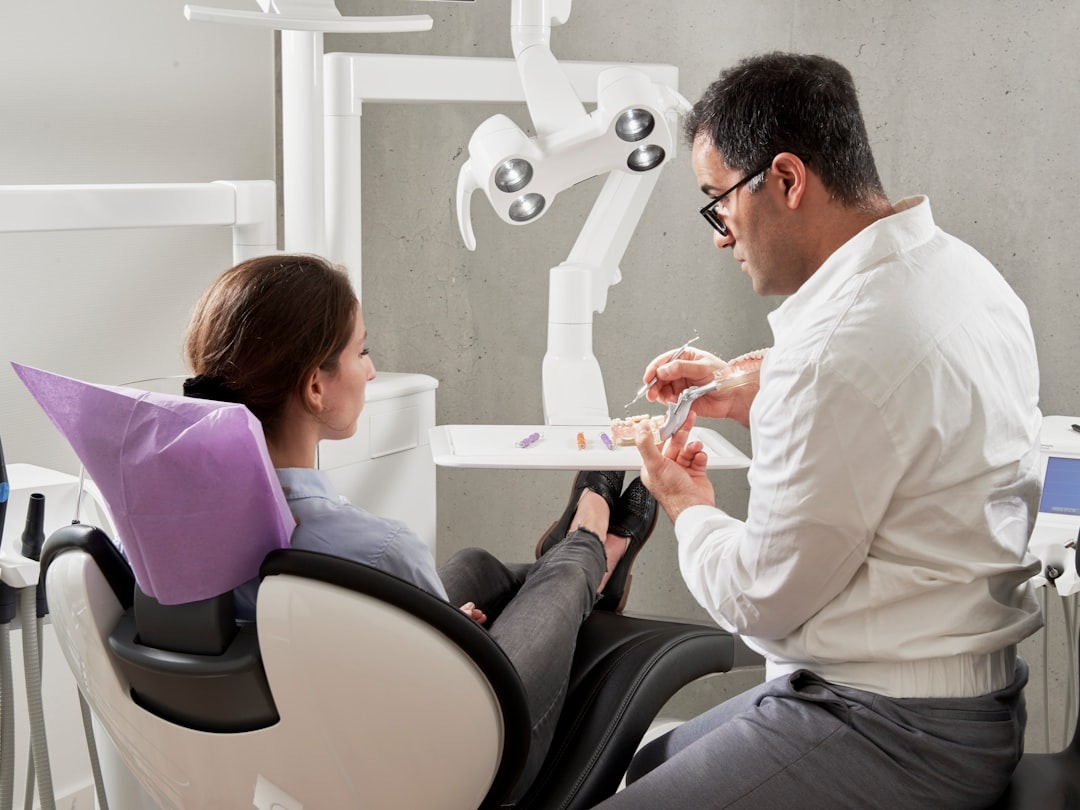
Photo by Caroline LM on Unsplash
Alt text: A dentist examining a patient’s teeth in a modern dental office
Cosmetic dentistry is the branch of dental care focused on improving the appearance of teeth, gums, and bite. It overlaps heavily with restorative work, and patients increasingly compare options across borders, including providers such as Algodones Dental Center cosmetic care. This overview maps the main procedures and the clinical thinking behind them.
Why Does Oral Health Come First?
Aesthetics built on disease do not last. A veneer over an inflamed gum line or an implant in compromised bone is a short-lived result.
Periodontal health is the foundation. Sound periodontal considerations underpin almost every aesthetic case, because stable gums and bone hold any restoration in place. The NIDCR notes that gum disease is common and often silent, so screening should precede cosmetic planning.
Sequencing matters in practice. Disease control, then function, then aesthetics is the usual order. Skipping straight to appearance tends to store up problems for later.
What Procedures Does Cosmetic Dentistry Cover?
The field spans simple polishing to full reconstruction. Most cases combine a few of these procedures rather than relying on one.
- Teeth whitening. The least invasive option, lightening surface and deep stains.
- Bonding. Tooth-colored resin repairs chips and small gaps.
- Veneers. Thin shells that reface the front teeth.
- Crowns. Full-coverage restorations that rebuild a damaged tooth.
- Implants. Titanium roots that replace a missing tooth entirely.
Each carries different biological costs. Whitening is reversible in effect, while veneers and crowns remove enamel permanently, so the choice deserves careful counsel.
How Reversible Is Each Procedure?
Reversibility varies widely and should guide the conversation. Whitening fades over months and removes nothing, so it is low-commitment. Bonding can usually be repaired or removed with little loss.
Veneers and crowns, by contrast, remove enamel that never grows back, which makes them effectively permanent. Implants involve surgery and bone integration, so they sit at the most involved end. Matching the procedure to the patient’s goals and risk tolerance keeps expectations realistic, and documenting that discussion protects everyone.
How Does Function Tie Into Appearance?
A good smile is a working smile. The adult dentition has 32 teeth, and each plays a part in chewing, speech, and facial support.

Photo by Lesly Juarez on Unsplash
Alt text: A close-up of a healthy, bright smile
Tooth loss changes more than looks. It shifts the bite, strains neighboring teeth, and can alter the face over time. The structures of oral and dental care work as a system, so replacing a missing tooth protects the whole arch, not just the gap.
That is why clinicians frame cosmetic work in functional terms. Restoring a comfortable, stable bite is often the real goal, with appearance a welcome result rather than the only one. Framed this way, a patient understands why a clinician may recommend treating a problem tooth before whitening the rest. It also helps justify a phased plan rather than a single quick fix.
What Should Clinicians Tell Patients?
Patients arrive with strong opinions and uneven information. A few clear messages help them decide well, and reinforcing everyday prevention habits keeps any cosmetic result on a healthy foundation.
| Message | Why it matters |
| Health before aesthetics | Treat disease before any cosmetic work. |
| Understand what is removed | Some procedures alter enamel permanently. |
| Weigh longevity | Materials and habits affect how long results last. |
| Ask about aftercare | Follow-up shapes the final outcome. |
| Compare on quality | Credentials matter more than price alone. |
Honest framing builds trust. Patients respect a clinician who explains trade-offs rather than overselling a result.
What About Treatment Abroad?
Cross-border dental care has grown quickly. Cost differences are large, and major restorative work can run at a fraction of the home price abroad. Clinics in destinations like Los Algodones, Mexico, serve many international patients each year, and the town’s dental district is well known for that volume.
The economics are real, but so are the cautions. A long flight after oral surgery carries its own risks, and a rushed schedule leaves little room for adjustments. Encourage patients to verify credentials, ask about materials and warranties, and plan for how any complication would be managed once they return home. Continuity of care is the part most easily overlooked.
A balanced clinician neither dismisses nor promotes the option. The goal is an informed patient who chooses on quality and aftercare, not on headline price.
What to Remember
- Cosmetic dentistry restores function as often as it improves looks.
- Oral and periodontal health must come before any aesthetic work.
- Whitening is conservative, while veneers and crowns alter enamel.
- The 32-tooth dentition works as a system, so tooth loss spreads strain.
- Patients weigh cross-border care, so guide them on quality questions.
- Honest counsel on trade-offs builds lasting trust.
A Functional View of a Cosmetic Field
Cosmetic dentistry sits at the meeting point of health, function, and appearance. Treated in that order, it serves patients well rather than chasing looks alone. Clinicians who keep the foundations first give patients results that both look good and last.
Frequently Asked Questions
Is Cosmetic Dentistry Purely Aesthetic?
Not usually. Many procedures, such as crowns and implants, restore chewing function and protect surrounding teeth as much as they improve appearance. The aesthetic gain often comes alongside a genuine functional one rather than instead of it.
Why Treat Gum Disease Before Cosmetic Work?
Because aesthetics built on unhealthy tissue fail. Veneers, crowns, and implants all rely on stable gums and bone, so untreated periodontal disease undermines the result. Screening and treating disease first protects the investment and the patient.
Which Cosmetic Procedure Is Least Invasive?
Teeth whitening is the most conservative, since it lightens stains without removing tooth structure. Bonding is also relatively gentle. Veneers and crowns are more involved, because they remove enamel permanently, so they warrant fuller discussion first.
What Should Patients Know About Dental Care Abroad?
They should check the provider’s credentials, the materials used, and the plan for follow-up and complications. Cost savings can be significant, but the decision should rest on quality and continuity of care rather than price alone.
