

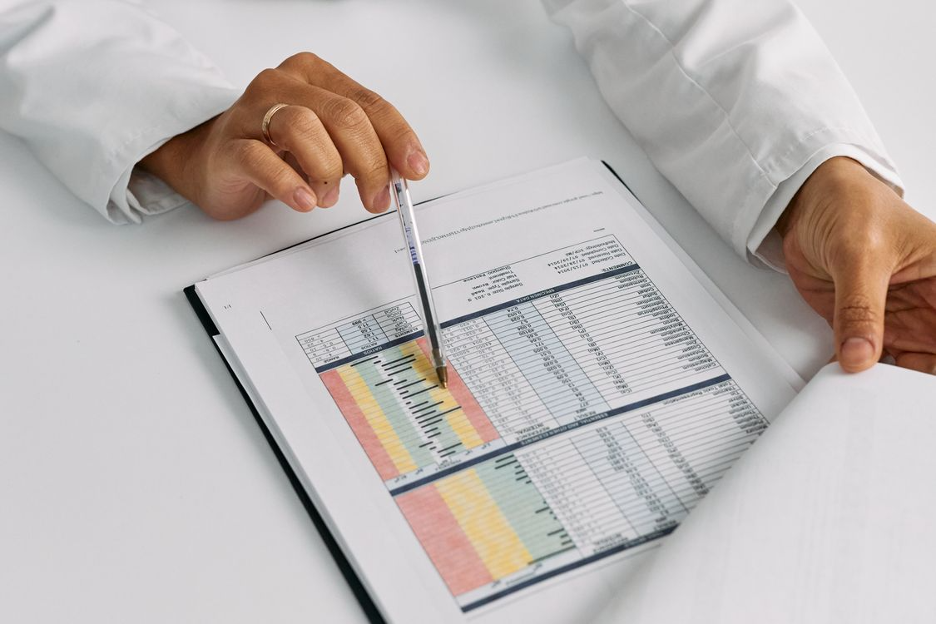
Healthcare organizations generate vast amounts of information every day, including patient records, diagnostic results, treatment histories, and operational data. When managed effectively, this information becomes a valuable resource that supports informed decision-making across the healthcare system. As patient expectations continue to rise and healthcare services become more complex, organizations increasingly rely on data to improve performance and maintain high standards of care.
The widespread adoption of digital technologies has transformed the way healthcare providers collect, store, and analyze information. Instead of relying solely on manual processes, organizations can now access real-time insights that support both clinical and administrative functions. Data helps healthcare professionals identify trends, monitor outcomes, and respond more efficiently to changing patient needs. By leveraging accurate and timely information, healthcare organizations can strengthen operational efficiency while delivering safer, more effective care.
Improving Patient Care Through Data-Driven Insights
Data helps healthcare professionals make informed clinical decisions that support better patient outcomes. By analyzing patient histories, diagnostic results, and treatment responses, providers can identify patterns that may not be immediately visible. This deeper understanding enables clinicians to recommend appropriate interventions and monitor patient progress more effectively. As healthcare becomes increasingly personalized, organizations need skilled professionals who can transform complex information into actionable insights.
The expansion of digital health technologies has also created greater demand for expertise in healthcare data management, analytics, and information systems. For individuals interested in supporting these efforts, enrolling in an online BS in Health Informatics program can provide the technical and analytical knowledge needed to help healthcare organizations leverage data more effectively and improve decision-making processes. Texas State University offers this program through its online learning platform, allowing students to develop a strong foundation in healthcare systems, data management, and information technology while preparing for careers in a rapidly evolving healthcare environment.
Streamlining Administrative and Operational Processes
Beyond clinical care, healthcare organizations rely on data to improve daily operations and administrative efficiency. Digital systems automate many routine tasks that once required significant manual effort, including appointment scheduling, billing, and documentation. Automation reduces administrative burdens on staff and allows healthcare professionals to dedicate more time to patient-focused activities. As a result, organizations can improve productivity while maintaining high service standards.
Data also helps healthcare leaders allocate resources more effectively. By analyzing patient volumes, staffing patterns, and facility usage, organizations can identify inefficiencies and make informed adjustments. Better resource management helps reduce wait times, improve patient flow, and support smoother operations throughout the healthcare system. These improvements contribute to both operational efficiency and a more positive patient experience.
Using Predictive Analytics to Prevent Health Complications
Predictive analytics helps healthcare organizations identify potential health risks before they develop into serious problems. By analyzing historical patient data, medical histories, and treatment outcomes, healthcare providers can recognize patterns that indicate future complications. This proactive approach allows clinicians to intervene earlier and develop targeted care plans for patients who may need additional support.
Healthcare systems also use predictive models to reduce hospital readmissions and improve long-term outcomes. Early identification of high-risk patients enables providers to schedule follow-up appointments, recommend preventive measures, and monitor conditions more closely. These actions often lead to better patient experiences while reducing unnecessary healthcare costs.
Enhancing Care Coordination Across Healthcare Teams
Effective care often requires collaboration among physicians, nurses, specialists, and administrative staff. Shared data systems allow healthcare professionals to access the same patient information, creating a more coordinated approach to treatment. When providers have access to accurate and up-to-date records, they can make informed decisions and reduce communication gaps.
Improved care coordination supports effective patient care by ensuring that every member of the healthcare team works with consistent information. This reduces the likelihood of duplicate tests, medication errors, and treatment delays. As a result, patients receive more seamless care throughout their healthcare journey while organizations benefit from improved efficiency.
Measuring Performance and Improving Quality Standards
Healthcare organizations rely on data to evaluate performance and identify areas that require improvement. Key performance indicators such as patient satisfaction scores, treatment outcomes, wait times, and readmission rates provide valuable insights into organizational effectiveness. Leaders can use this information to assess current practices and implement strategies that enhance service quality.
Continuous monitoring also helps organizations maintain compliance with healthcare regulations and industry standards. By reviewing performance data regularly, providers can address issues before they become significant challenges. This process supports accountability and encourages a culture of ongoing improvement that benefits both patients and healthcare professionals.
Addressing Data Security and Privacy Challenges
As healthcare organizations collect and store larger amounts of digital information, protecting sensitive patient data becomes increasingly important. Medical records contain personal and financial information that must remain secure from unauthorized access. Strong cybersecurity measures help organizations reduce risks and maintain patient trust.
Healthcare providers use encryption, access controls, employee training, and regular security assessments to safeguard information. Compliance with privacy regulations also plays a critical role in protecting patient rights. By prioritizing data security, organizations can continue using valuable healthcare insights while minimizing the risk of breaches and operational disruptions.
