

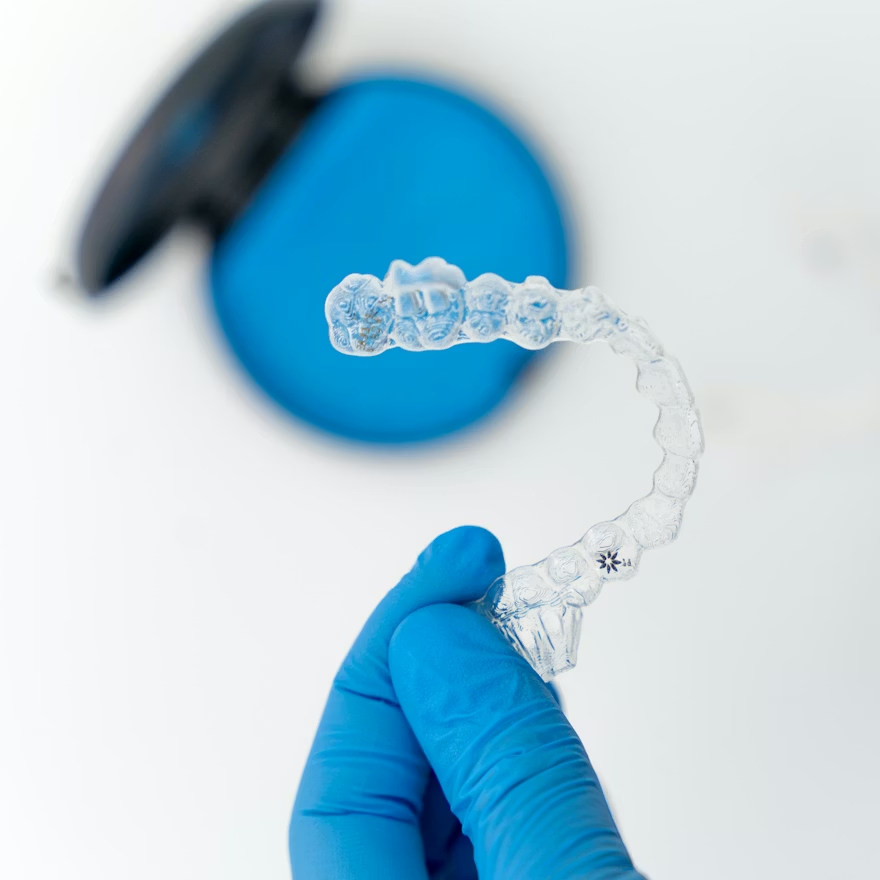
According to the American Association of Orthodontists’ 2023 clinical practice survey, adult orthodontic treatment has increased by 40% since 2020, with clear aligners accounting for nearly 70% of these cases. While most patients choose clear aligners for their aesthetic appeal and convenience, emerging research reveals benefits that extend far beyond appearance and basic comfort. As orthodontic technology continues advancing and treatment protocols become more sophisticated, practitioners are documenting advantages that weren’t fully understood even five years ago.
These discoveries matter because they’re reshaping how dental professionals approach treatment planning and how patients make decisions about their oral health. Beyond the obvious benefits of straighter teeth without visible braces, clear aligners are proving to influence everything from gum health to long-term treatment success rates in ways that challenge conventional assumptions about orthodontic therapy. Understanding these unexpected advantages can help anyone considering orthodontic treatment make more informed decisions about their care.
How Clear Aligners Enhance Oral Health Beyond Appearance
While most people focus on how clear aligners will improve their smile, the oral health benefits often prove more significant than cosmetic changes. The removable design fundamentally changes how patients maintain their dental hygiene throughout treatment, creating opportunities for better long-term oral health that fixed braces simply can’t match.
Traditional braces create numerous spaces where food particles and plaque accumulate around brackets and wires. Even with specialized cleaning tools, patients struggle to maintain thorough hygiene, leading to increased cavity risk and gum inflammation. Clear aligners eliminate this challenge entirely — patients remove them for eating and cleaning, maintaining their normal brushing and flossing routine without obstruction.
Gum health improvements represent one of the most documented unexpected benefits. Research from the Journal of Clinical Orthodontics shows that patients wearing clear aligners demonstrate lower levels of gingival inflammation compared to those with traditional braces throughout treatment. The constant removal and cleaning cycle keeps bacterial buildup minimal, while the gentle pressure distribution of aligners promotes better blood circulation in the gums.
The aligners themselves contribute to oral health maintenance. Each time patients remove and clean their aligners, they’re reminded to examine their teeth and gums, creating heightened awareness of their oral health status. This increased attention often leads to better overall dental care habits that persist long after treatment ends, establishing patterns that benefit patients for decades.
What Technological Advances Improve Clear Aligner Comfort and Effectiveness
Modern clear aligner therapy bears little resemblance to early versions from the late 1990s. Technological innovations have transformed not just the treatment process, but the entire patient experience, creating comfort levels and treatment precision that consistently surprise both patients and dental professionals.
Role of 3D Scanning and Digital Treatment Planning
Digital scanning technology has revolutionized how orthodontists map tooth movement and predict treatment outcomes. Instead of messy impression materials that patients often found uncomfortable, 3D intraoral scanners capture precise digital models in minutes, creating a foundation for highly accurate treatment planning.
The scanning process reveals details invisible to traditional methods, allowing orthodontists to identify potential challenges before they affect treatment progress. This precision translates directly into better-fitting aligners that move teeth more efficiently with less discomfort. Patients often report that their aligners feel custom-tailored — which they literally are, down to fractions of a millimeter.
Digital treatment planning software enables orthodontists to visualize the entire treatment sequence before the first aligner is manufactured. This foresight allows for adjustments that optimize comfort and effectiveness, reducing the likelihood of mid-treatment complications that require additional time or aligners. The result is a smoother treatment experience with fewer unexpected appointments or delays.
Innovative Materials and Customized Aligner Design
Recent advances in thermoplastic materials have dramatically improved aligner comfort and effectiveness. Modern aligners use multi-layer polymer technology that provides optimal force distribution while maintaining flexibility for easy insertion and removal. These materials resist staining and cracking better than earlier versions, maintaining clarity throughout each wearing period.
Customized attachment design represents another significant advancement. Rather than using standard shapes, orthodontists can now design precise attachments that optimize tooth movement for each patient’s unique situation. These computer-designed attachments work more efficiently than generic options, often reducing treatment time while improving comfort.
Smart programming within aligner design ensures that force application remains within comfortable ranges while maintaining treatment effectiveness. Each aligner in the sequence applies precisely calibrated pressure, avoiding the adjustment discomfort commonly associated with traditional braces. This graduated approach allows patients to adapt gradually to each new aligner, minimizing the disruption to their daily lives.
How Removable Aligners Offer Greater Lifestyle Flexibility
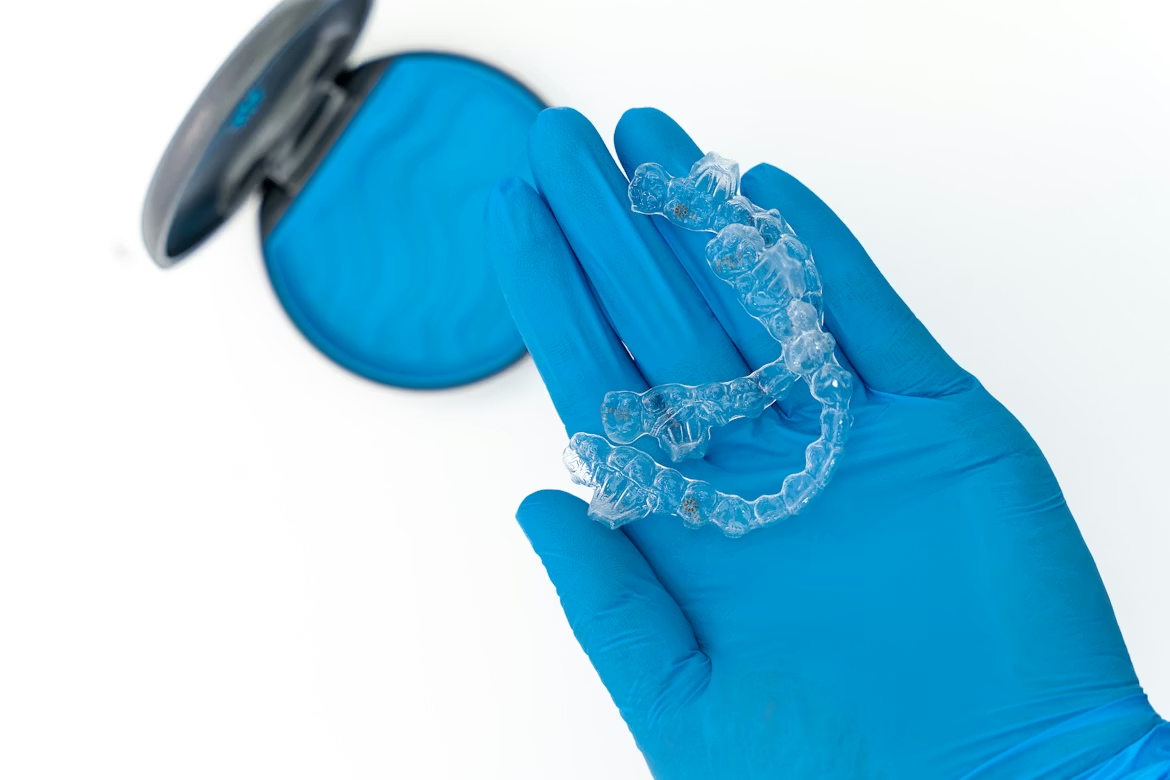
The removable nature of clear aligners creates lifestyle advantages that become apparent only after patients begin treatment. Unlike fixed braces that permanently alter daily routines, aligners integrate seamlessly into existing lifestyles while providing the orthodontic correction patients need.
Dietary freedom ranks among the most appreciated benefits. Patients can eat anything they want — from corn on the cob to caramel apples — simply by removing their aligners beforehand. This eliminates the extensive list of prohibited foods that comes with traditional braces, allowing patients to maintain their normal eating habits and social dining experiences without restriction or embarrassment.
Professional and social situations become more manageable with clear aligners. Public speaking, important meetings, and special events no longer require concern about food stuck in braces or the appearance of metal brackets. For adults in professional settings, this flexibility proves invaluable for maintaining confidence and credibility during crucial interactions.
Athletic participation improves significantly with clear aligners compared to traditional braces. Athletes can remove aligners during contact sports, eliminating the risk of bracket-related injuries while using standard mouthguards for protection. For non-contact sports, the slim profile of aligners causes no interference with performance or communication with teammates.
The psychological benefits of lifestyle flexibility often exceed patient expectations. Many report feeling “normal” throughout treatment, maintaining their self-image and confidence levels in ways that wouldn’t be possible with visible orthodontic appliances. This psychological comfort contributes to better treatment compliance and more positive treatment experiences overall. For many patients, exploring various orthodontic treatment options helps them understand how different approaches might fit their lifestyle needs and preferences.
Why Patient Compliance and Customization Boost Treatment Success
Clear aligner therapy success depends heavily on patient behavior and treatment customization — factors that create opportunities for superior outcomes when properly managed. Understanding these elements helps explain why clear aligners often achieve results that exceed both patient and provider expectations.
Impact of Patient Compliance on Results
Treatment compliance with clear aligners differs fundamentally from compliance with fixed braces. Rather than passive participation, aligner therapy requires active patient engagement in their treatment success. This responsibility, surprisingly, often improves treatment outcomes rather than hindering them.
Successful aligner patients typically wear their aligners 20-22 hours daily, removing them only for eating and oral hygiene. This extended contact time provides consistent, gentle pressure that proves more effective than the intermittent forces applied during traditional orthodontic adjustments. Patients who maintain excellent compliance often complete treatment ahead of schedule with superior results.
The removable design creates built-in compliance feedback. Patients immediately notice when aligners become loose or tight, providing real-time information about their progress and compliance level. This awareness helps patients adjust their behavior to optimize results, creating a partnership between patient and provider that enhances treatment success.
Importance of Tailored Treatment Plans
Modern clear aligner therapy emphasizes individualized treatment approaches that account for each patient’s unique anatomy, lifestyle, and treatment goals. This customization extends far beyond simple tooth movement, encompassing factors like bone density, root morphology, and patient preferences for treatment duration versus intensity.
Advanced treatment planning software allows orthodontists to model multiple treatment approaches and select the optimal path for each patient. Some patients benefit from longer treatment with gentler forces, while others prefer faster correction with more intensive aligner changes. This flexibility enables treatment customization that maximizes patient satisfaction while achieving excellent clinical results.
The ability to modify treatment mid-course provides another advantage. If initial tooth movement differs from predictions, orthodontists can adjust the treatment plan and manufacture new aligners to optimize remaining treatment. This adaptability ensures that patients achieve their desired results regardless of initial treatment predictions or unexpected complications.
What Scientific Studies Reveal About Long-Term Benefits of Clear Aligners
Recent research has begun documenting the long-term advantages of clear aligner therapy, revealing benefits that become apparent months or years after treatment completion. These findings are reshaping how orthodontists and patients view clear aligner therapy within the broader context of lifelong oral health.
Treatment stability with clear aligners compares favorably to traditional orthodontic methods in peer-reviewed studies. The Journal of Clinical Orthodontics published findings showing that patients who completed clear aligner therapy demonstrated excellent long-term stability when proper retention protocols were followed. The gradual tooth movement characteristic of aligner therapy appears to promote better adaptation of supporting tissues compared to more aggressive traditional methods.
Patient satisfaction surveys consistently show higher ratings for clear aligner therapy compared to traditional braces, even years after treatment completion. The American Journal of Orthodontics reported that 94% of adult clear aligner patients would choose the same treatment method again, citing not just cosmetic results but improved oral health awareness and better dental hygiene habits developed during treatment.
Emerging research suggests that the oral health habits developed during clear aligner therapy persist long-term. Patients who complete aligner treatment demonstrate better plaque control and gum health in follow-up examinations compared to those who received traditional orthodontic treatment. The daily routine of removing, cleaning, and reinserting aligners appears to establish hygiene patterns that benefit patients throughout their lives.
The question for potential orthodontic patients isn’t whether clear aligners work — the evidence clearly demonstrates their effectiveness. Instead, the question becomes whether these unexpected benefits align with individual lifestyle needs and long-term oral health goals, making clear aligner therapy not just a cosmetic choice but a comprehensive approach to lifelong dental wellness.
