

One moment a person is fine, and the next, a stroke changes everything. Sedentary lifestyles and mounting daily stress are silently pushing stroke risk higher across the country.
The CDC reports that more than 795,000 people in the United States have a stroke each year, which works out to roughly one stroke every 40 seconds. In stroke care, every single minute holds weight. A hospital located too far away, unpredictable traffic, or a delayed emergency response can all cost a patient dearly.
In a 2025 UCLA Health interview, vascular neurologist May Nour, MD, PhD, captured the stakes clearly. “Saving half an hour can make a difference in someone’s life, and afterward in someone’s quality of life.”
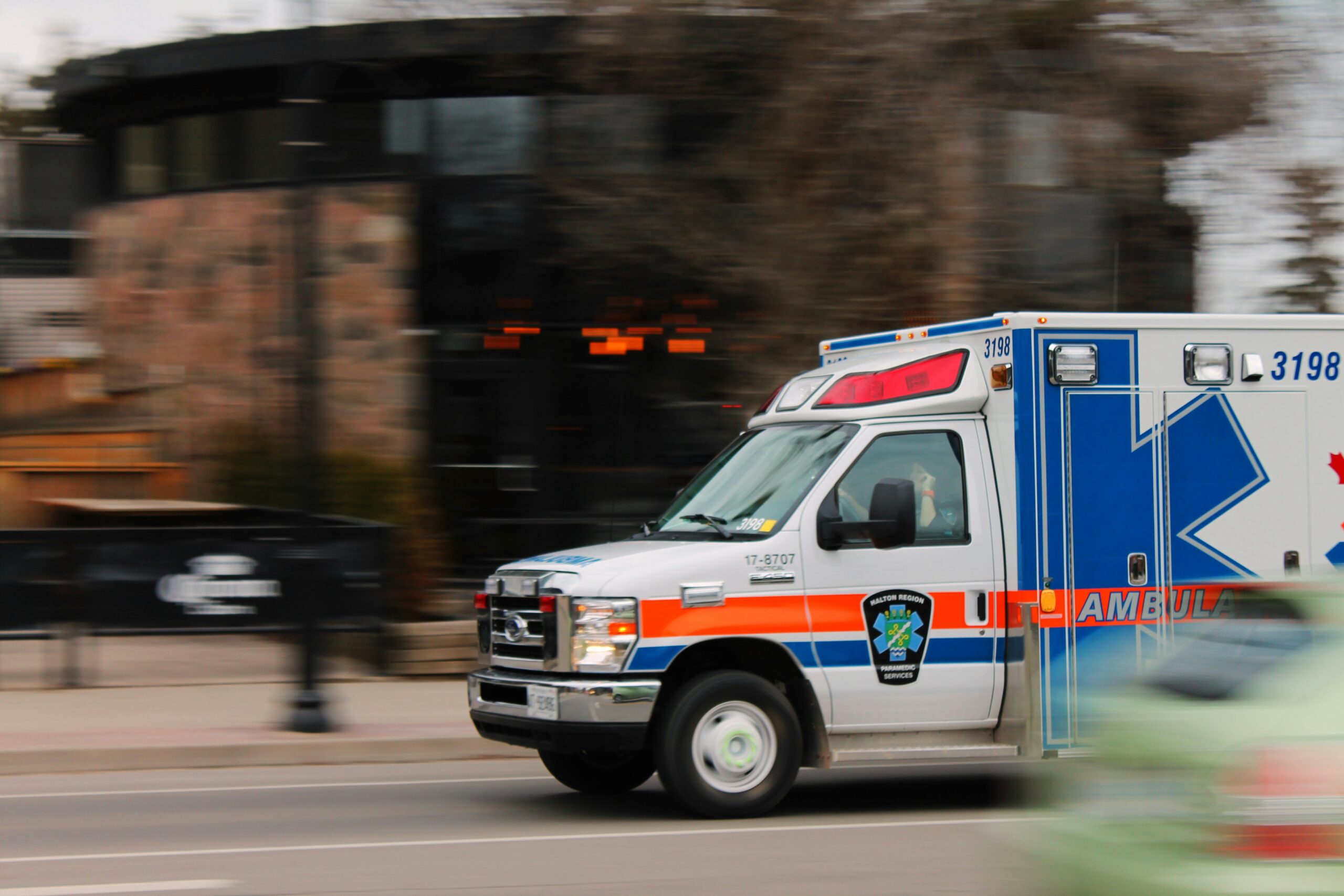
A patient’s chances can improve when care starts before they reach a stroke center. Emergency Medical Services (EMS) teams can identify warning signs, assess severity, choose the right destination, and alert the hospital before arrival.
This article highlights the role of EMS, routing, communication, and early decision-making in shaping stroke care before hospital arrival.
Spotting Stroke Symptoms Early
Recognizing stroke symptoms early can shorten the time between onset and treatment. FAST (Face, Arms, Speech, Time) catches most strokes. However, it was built around anterior circulation strokes, the kind that affect one side of the face, one arm, and speech.
Strokes in the back of the brain, known as posterior circulation strokes, often skip those signs entirely. A person having one might walk and talk normally while still losing coordination, balance, or part of their vision. This is why doctors added two more checks, Balance and Eyes, creating BE-FAST.
- Balance: Watch for sudden dizziness, loss of coordination, or trouble walking. These symptoms can appear when a stroke affects areas involved in balance and movement.
- Eyes: Sudden blurred vision, double vision, or loss of sight can also signal stroke. Adding this check broadens recognition beyond the better-known FAST symptoms.
- Face, arms, and speech: Look for facial drooping, weakness in one arm, or slurred and unusual speech. Asking the person to smile, raise both arms, and repeat a simple sentence can help.
Treat any of these signs as an emergency, even if they improve. A 2025 study found that BE FAST screening was associated with an 82-minute median hospital arrival, versus 141 minutes without structured screening.
Distance Changes the Care Pathway
Stroke routing gets more complicated once the nearest hospital cannot offer advanced stroke services. Paramedics have to weigh transport time against local capabilities and a suspected large vessel occlusion changes that calculation immediately.
If a hospital lacks the equipment to remove a clot, patients might need a transfer to a dedicated stroke center, which adds time before treatment can begin. Specialist availability is another factor, since not every facility has a neurologist on call around the clock.
In cities, those decisions can be easier because several stroke-capable hospitals may sit within a reasonable transport area. Rural communities have fewer options, longer drives, limited EMS staffing, and more transfers between hospitals. A 2024 North Carolina study reported that rural bypasses to endovascular-capable centers added a median 25 minutes of transport time.
In an effort to reduce these access barriers, federal and state health agencies are investing in initiatives such as the Rural Health Transformation Program. The federal program provides states with funding for rural access, workforce capacity, technology modernization, and new care models.
It funds efforts to connect hospitals, clinics, and public health agencies through shared referral systems, notes Community CareLink. Programs like this could enable a rural EMS crew and a distant stroke center to coordinate a transfer with less delay once a patient needs a higher level of care.
Role of Telestroke Support in Pre-hospitalization Stroke Care
As stated earlier, quality of stroke care depends heavily on specialist availability. A neurologist can help confirm findings, review imaging, and guide urgent treatment decisions. However, specialist coverage may be limited because of staffing shortages, after-hours availability, or hospital resources. This is not only a rural problem.
Telestroke services help bridge those gaps by connecting local teams with neurologists remotely, allowing faster consultations and clearer decisions on treatment or transfer.
Choosing the Right Hospital Matters as Much as Getting There Quickly
Paramedics have to consider several factors before choosing where to go. Stroke severity and possible large-vessel occlusion can immediately change where a patient needs to go. Other critical factors include local protocols, hospital performance, and the capabilities of nearby stroke centers.
Bypassing a closer hospital for every suspected severe stroke is not automatically the better choice. The right route depends on regional capabilities and how efficiently a transfer can happen if one becomes necessary.
The 2026 AHA/ASA guideline emphasizes this context-dependent approach. Destination decisions should account for stroke characteristics, distance, imaging, telemedicine, hospital capabilities and regional resources. It also found no benefit from routinely bypassing proficient local centers for distant thrombectomy-capable facilities in well-coordinated systems.
Why Hospital Prenotification Helps
The work inside the hospital can begin before the ambulance reaches the entrance. When EMS identifies a suspected stroke, prenotification gives the receiving facility time to mobilize the people and resources needed for rapid assessment.
A stroke alert can prepare the stroke team, emergency department staff, imaging services, and neurological or endovascular specialists. This reduces the amount of coordination that must happen after arrival.
The handoff itself should contain clinically useful details. EMS can report symptom onset or last known well, neurological findings, glucose, medications, relevant history, and any changes during transport. These details help the hospital plan imaging and evaluate possible treatment options sooner.
The AHA/ASA guideline linked prenotification with shorter door-to-imaging and door-to-needle times, and lower odds of in-hospital mortality.
FAQs
Why is calling 911 better than driving to the hospital for stroke patients?
Ambulances carry stroke screening tools and can alert the hospital in advance. Driving yourself skips that preparation, and hospital staff will not know a stroke is arriving until you check in.
What is the treatment window for stroke medication?
Clot-busting drugs typically work best within three to four and a half hours of symptom onset. Thrombectomy, a clot removal procedure, may still help patients up to twenty-four hours later in some cases.
Can stroke symptoms go away on their own?
Yes, and that is still a medical emergency. Symptoms that resolve quickly may signal a transient ischemic attack, sometimes called a mini-stroke, which often warns of a larger stroke ahead.
Key Numbers Behind Stroke Care Timing
| Data Point | Figure |
| Annual stroke incidence in the US | 795,000+ people, about one stroke every 40 seconds (CDC) |
| BE-FAST screening vs. no structured screening | 82-minute median hospital arrival vs. 141 minutes (2025 study) |
| Rural bypass to endovascular-capable centers | Median 25 extra minutes of transport time (2024 NC study) |
| Hospital prenotification impact | Linked to shorter door-to-imaging and door-to-needle times, lower in-hospital mortality (AHA/ASA) |
The Groundwork Happens Long Before the ER
It is easy to picture stroke treatment beginning inside the emergency department, but the real pathway starts much earlier. The first call, the first assessment, and the first routing decision all influence what comes next. Some communities have more resources than others, and geography will always shape access to specialist care.
Even so, stronger communication and smarter coordination can reduce some of those disadvantages. The goal is not to make every system identical. Helping each region use its available resources well is the right first step. When that happens, patients can reach the right care with fewer avoidable delays along the way.
