

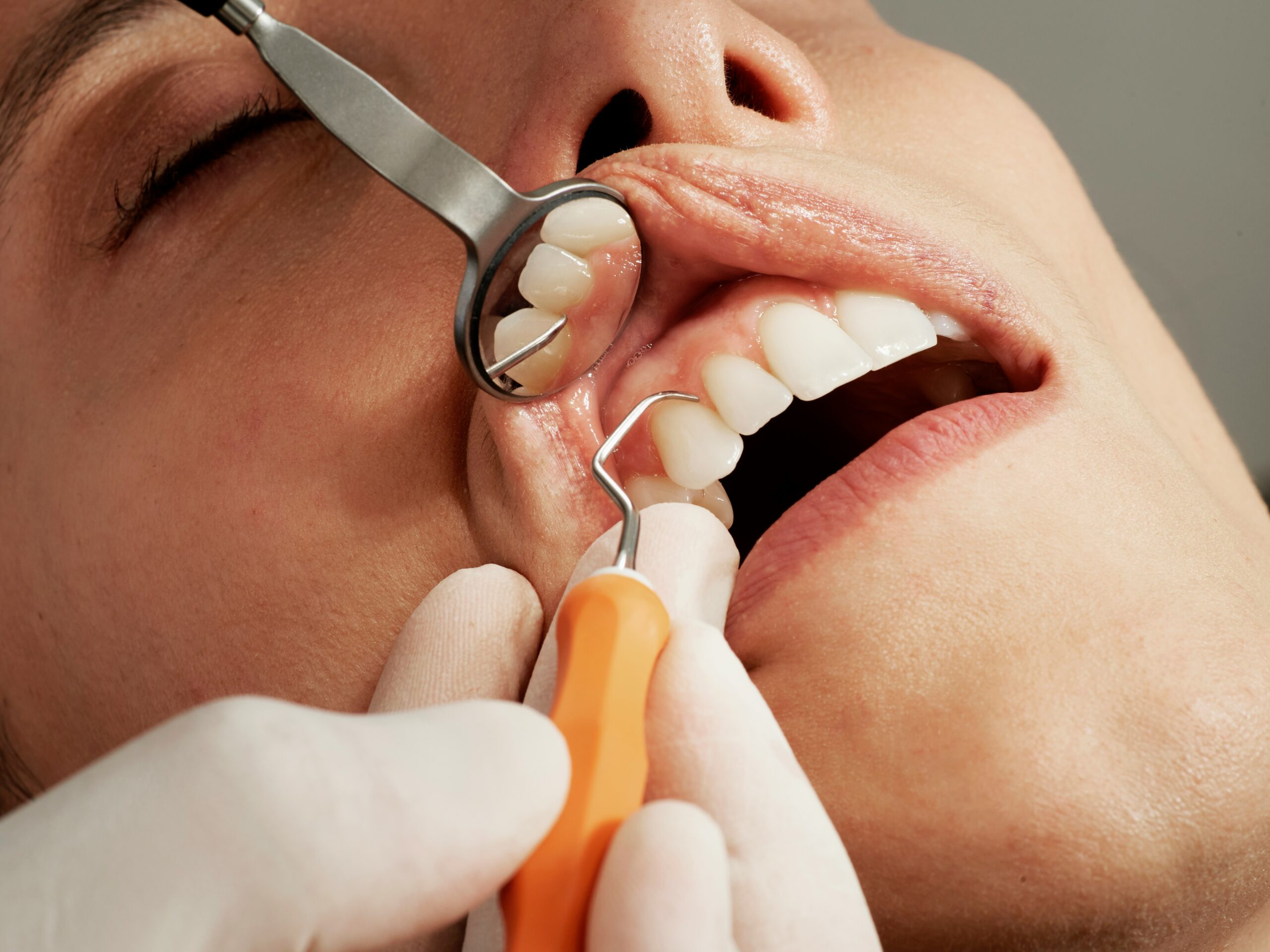
Scaling and root planing (SRP) is a common non-surgical treatment for periodontal disease, a bacterial gum infection and inflammatory disease. This infection can cause bleeding and tenderness, and if left untreated, it can also cause tooth loss.
According to the WHO, 45% of the total world population suffers from oral diseases. These cases have increased rapidly over the last few decades. Further, the Global Burden of Diseases data from 2021 showed that 11% or more of the global population suffered from severe periodontitis.
During SRP, a dentist cleans deposits from the patient’s gums and beneath the gumline, after numbing their mouth with local anesthesia. This process, also called deep cleaning, can be powerful in managing periodontitis when complemented by regular home dental care.
However, some people find that their gums continue to bleed weeks after the treatment. Why does this happen, and does it indicate that the treatment failed?
Let’s identify the primary reasons and what your next step should be.
You May Still Have Periodontitis in Some Areas
This is one possible reason for continued bleeding several weeks after the procedure. It doesn’t mean the dentist was inefficient; rather, some areas may have been difficult to access during SRP or were too deep.
A 2024 study in Brazilian Oral Research showed that post-treatment, patients in their dataset experienced bleeding on probing at fewer than 10% of sites. This was for pocket depths of 4mm or more.
While this is not a firm rule, your dentist must check your symptoms by examining the bleeding sites. It helps them compare the depths with the initial measurements for your treatment.
Cleveland Clinic notes that SRP can sometimes run into two sessions, with some dentists deep-cleaning half your teeth in one sitting. Their goal is to ensure completeness, but follow-up visits may be essential to rule out remaining gum disease in more severe cases.
Your Home Oral Care May Need Rework
After periodontal treatment, many people experience a dilemma. They fear that their gums will bleed and avoid brushing certain areas. It can cause plaque to build up in those areas over time, which may eventually lead to bleeding again.
It becomes a vicious cycle of oral problems. SRP cannot be fully effective if not supported by adequate oral hygiene at home.
The solution here is not to compromise on brushing after treatment. While dentists don’t recommend over-brushing, you must still clean your teeth and gums carefully to avoid a recurrence of gum disease. That said, even if you are brushing well, some areas are difficult to clean.
Ask your dentist to check your brushing and flossing techniques at the next follow-up visit. They can help you improve your oral care and also recommend more efficient interdental cleaning techniques. This can be especially helpful if you have crowded teeth or some areas your brush doesn’t reach.
You May Need a Reassessment for Treatment Stability
Periodontitis treatment can be most effective when it aligns with your goals for your teeth. For example, many people seek periodontal treatment to continue eating their favorite foods. Others may prioritize aesthetics and retaining original teeth.
SRP can be excellent for treating early to moderate disease. However, it may not be ideal or sufficient for more advanced infection and long-term stability goals. If bleeding continues after the procedure, consider a reassessment.
Newhouse Periodontics emphasizes the significant role of personalized periodontal care, with treatment plans that align with each patient’s needs and goals. Some patients may benefit from localized antibacterial microspheres and gels in the pockets. Others may need oral medication to minimize loss of tooth attachment.
Diabetes May Be Complicating Things
Medical experts maintain that type 2 diabetes can aggravate the severity of your periodontitis. It also works the other way: periodontal inflammation can affect glycemic control.
This means SRP may potentially not be as effective as long-term treatment for gum disease in diabetics as it may be in people without blood sugar management issues.
A 2024 Healthcare (Basel) study found that combining periodontal treatment with diabetes management can improve clinical outcomes. If you feel this could be a factor for you, consult your physician.
Accordingly, the medical team can build a more comprehensive treatment plan to manage these conditions together. This may involve changing your eating habits and doing more physical activity.
Smoking Can Affect Periodontal Healing
Your gum problems can also be linked to a smoking habit. Time and again, researchers in this field have found that smoking can affect gum health. It may also impact healing time and your overall response to the treatment.
In 2025, a team of scholars found that even e-cigarette use impacted periodontal parameters. Tobacco smokers had consistently worse outcomes compared to non-smokers or those who had quit. These findings were published in Evidence-Based Dentistry.
The BBC reports that the dangers may extend to vaping as well. The evidence is still developing, but some people report negative experiences. In April this year, a former dental nurse shared how her vaping habit left black holes in her teeth.
“I always cleaned my teeth twice a day, I don’t eat sweets and at first I wasn’t aware what was causing it. I’ve been told the vapes leave residue around the top of your teeth and gumline. That’s what causes the damage.” – Stacey Gardiner, former dental nurse.
It is important to discuss this with your doctor and dentist if you use tobacco or vaping products. These habits can affect the outcomes of SRP and determine future treatment options.
Next Steps to Manage Gum Bleeding
Identifying which of these factors may be impacting your response to dental treatment is a strong first step. It gives you the best direction to proceed, whether it is managing your overall health and lifestyle or reconsidering your current dental treatment plan.
The most critical takeaway is not to delay a consultation if the bleeding remains persistent and your gums feel painful. Any other concerning symptoms, such as bad breath or tooth mobility, also need attention.
| Next step | Why it matters |
| Keep brushing and cleaning between teeth | Helps control plaque and inflammation. |
| Schedule a periodontal check-up | Persistent bleeding may need reassessment. |
| Dentist will check pocket depths | Shows whether treatment has improved periodontal health. |
| Review risk factors | Smoking and diabetes can affect healing. |
| Discuss further treatment | Persistent deep pockets may need additional care. |
| Follow maintenance visits | Helps prevent recurrence and maintain gum health. |
FAQs
How long do gums bleed after scaling and root planing?
You may feel bleeding and gum tenderness after SRP. This may happen for a few weeks. However, persistent bleeding several weeks after treatment needs evaluation. The dentist will check whether the bleeding indicates residual inflammation, inadequate plaque control, or another factor.
Can periodontal disease return after scaling and root planing?
Yes. Periodontitis requires ongoing maintenance. This is because plaque can accumulate again, and risk factors such as poor oral hygiene can increase the risk of recurrent disease. Regular periodontal maintenance is very important after treatment.
Is bleeding from one area worse than bleeding from the whole mouth?
It depends. Your dentist will want to know where the bleeding occurs. If the bleeding repeatedly comes from particular sites, it may indicate periodontal pockets that haven’t been cleaned yet. The dentist will also compare the affected sites with the original periodontal chart they had prepared before SRP. This will let them assess your improvement and healing.
Making Deep Cleaning a Part of Routine Oral Care
As gum disease can be both painful and frustrating, dental professionals recommend being regular with routine cleaning appointments. If you have periodontitis, scaling and root planing may also become part of your scheduled dental care. Although not very time-consuming or complicated, SRP can help you manage gum disease effectively.
For any bleeding that continues weeks after the treatment or feels suspicious to you, seek professional care. It may be related to remaining or recurrent gum disease or indicate another underlying problem. Either way, prompt action can help you avoid complications.
