

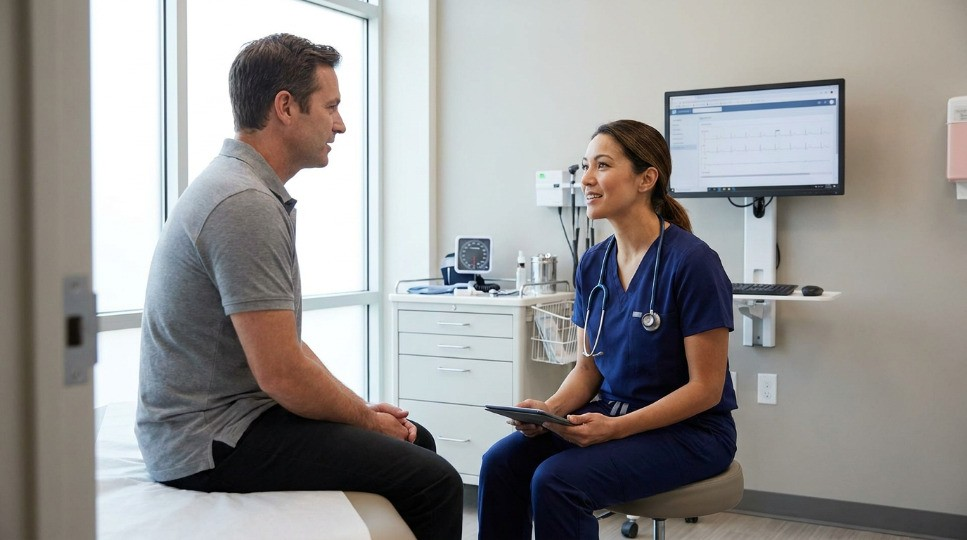
Healthcare systems continue to change as patients look for faster, more convenient, and accessible options for receiving medical attention. While hospitals and emergency departments remain essential for serious and life-threatening situations, many everyday medical concerns do not require emergency-level care. This has created a growing need for healthcare options that provide timely treatment without unnecessary delays.
Modern urgent care clinics have become an important part of this healthcare model. They help patients receive professional medical support for conditions that need attention but are not severe enough for emergency room visits. From treating minor injuries to managing common illnesses, urgent care centers help create a more balanced approach to healthcare accessibility.
For many communities, urgent care services provide a practical solution for patients who need medical attention outside traditional primary care hours or cannot wait several days for an appointment.
Healthcare providers such as Newport Center Urgent Care represent how modern clinics are helping patients access convenient medical care for illnesses, injuries, testing, and other non-emergency health concerns.
What Is the Role of Urgent Care in Modern Healthcare?
Urgent care fills an important gap between primary care providers and emergency departments. It is designed for medical situations that require prompt attention but are not considered life-threatening emergencies.
The role of urgent care is to provide accessible treatment for conditions that cannot always wait for a routine doctor’s appointment but do not require hospital emergency services.
Common examples of situations treated at urgent care clinics include:
- Minor cuts and injuries
- Sprains and strains
- Cold and flu symptoms
- Ear infections
- Allergic reactions
- Skin conditions
- Minor burns
- Diagnostic testing needs
By offering a middle option between regular healthcare appointments and emergency rooms, urgent care centers help patients choose the right level of care for their specific situation.
Why Urgent Care Clinics Have Become More Important
Patient expectations have changed significantly in recent years. People want healthcare that fits their schedules and provides quick access when unexpected health concerns appear.
Traditional healthcare models can sometimes involve long waiting periods for appointments, while emergency departments may involve extended wait times for conditions that are not emergencies. Urgent care clinics provide another option by offering more immediate access to medical professionals.
Several factors have contributed to the growing importance of urgent care:
Greater Need for Convenient Healthcare Access
Busy work schedules, family responsibilities, and daily commitments make it difficult for many people to wait days for medical attention. Urgent care clinics provide flexibility by allowing patients to receive care when they need it.
Reducing Pressure on Emergency Rooms
Emergency departments are designed for serious conditions requiring immediate attention. When patients use emergency rooms for minor concerns, it can increase pressure on hospital resources.
Urgent care centers help redirect appropriate cases away from emergency departments, allowing hospitals to focus on critical situations.
Expanding Healthcare Availability
Urgent care clinics increase access to medical services in local communities. They often provide extended hours, walk-in availability, and convenient locations, making healthcare easier to reach.
How Urgent Care Supports Patient-Centered Healthcare
Modern healthcare is increasingly focused on creating better experiences for patients. This means providing not only quality medical treatment but also making the process easier and more accessible.
Urgent care clinics support patient-centered healthcare by reducing common barriers such as long appointment wait times and limited scheduling options.
A patient visiting an urgent care center typically benefits from:
- Faster access to medical evaluation
- Treatment for common health concerns
- Professional guidance from healthcare providers
- Convenient alternatives for non-emergency situations
This approach allows patients to take care of health concerns earlier instead of delaying treatment because of scheduling difficulties.
Common Conditions Treated at Urgent Care Centers
One of the biggest advantages of urgent care is the wide range of conditions these clinics can handle. Many people are unsure whether a health concern requires emergency care or can be treated through a walk-in clinic.
Urgent care providers commonly treat:
Minor Injuries
Accidents happen in everyday life, from sports injuries to household accidents. Urgent care clinics can often evaluate and treat issues such as sprains, minor fractures, cuts, and bruises.
Illnesses and Infections
Common illnesses such as sore throats, respiratory infections, flu symptoms, and ear infections are frequently treated at urgent care facilities.
Testing and Preventive Services
Many urgent care centers also provide diagnostic services, physical examinations, and testing options that support early detection and better health management.
Understanding what urgent care can treat helps patients make better decisions about where to seek medical attention.
Urgent Care vs Emergency Rooms: Choosing the Right Option
One of the most common healthcare questions is whether a situation requires urgent care or an emergency room visit.
The main difference is the severity of the condition.
Emergency rooms are designed for serious medical situations such as:
- Chest pain
- Severe injuries
- Difficulty breathing
- Loss of consciousness
- Life-threatening conditions
Urgent care is generally appropriate for conditions that require medical attention but are not immediately dangerous.
Examples include:
- Minor injuries
- Moderate illnesses
- Infections
- Rashes
- Minor burns
Choosing the correct healthcare option helps patients receive appropriate treatment while also supporting efficient use of medical resources.
The Role of Technology in Modern Urgent Care
Technology has become an important part of improving healthcare experiences. Many urgent care clinics now use digital systems to make patient visits more efficient.
Technology can support areas such as:
- Online appointment scheduling
- Digital medical records
- Faster communication
- Improved diagnostic processes
These improvements help healthcare providers deliver organized and efficient care while making the experience easier for patients.
As healthcare continues developing, technology will likely play an even larger role in improving accessibility and convenience.
How Urgent Care Helps Build Stronger Communities
Accessible healthcare is an important part of healthy communities. When people can receive medical attention quickly, they are more likely to address health concerns before they become more serious.
Urgent care centers support communities by providing local healthcare options that fit everyday needs.
They are especially valuable for:
- Families with children
- Working professionals
- Travelers
- Older adults
- Individuals needing quick medical evaluations
By making healthcare more accessible, urgent care clinics contribute to a stronger and more responsive healthcare system.
The Future of Urgent Care in Modern Healthcare
The role of urgent care will continue expanding as healthcare systems focus on accessibility, efficiency, and patient convenience.
Patients are becoming more informed about healthcare choices and are looking for solutions that match their needs. Urgent care clinics provide an important option by combining professional medical treatment with convenient access.
The future of healthcare will likely involve a combination of primary care, emergency services, urgent care, and technology-driven solutions working together.
Rather than replacing traditional healthcare systems, urgent care strengthens them by providing another pathway for patients to receive appropriate medical attention.
Final Thoughts
Urgent care has become an essential part of modern healthcare by providing patients with another option for receiving timely medical attention. It helps bridge the gap between routine healthcare appointments and emergency services while improving access for everyday medical needs.
As healthcare continues evolving, urgent care clinics will remain an important part of creating a more flexible and patient-focused healthcare system. By making quality medical care easier to access, these centers help communities receive the right level of treatment at the right time.
Frequently Asked Questions
What is the purpose of urgent care clinics?
Urgent care clinics provide medical treatment for conditions that require prompt attention but are not serious enough for emergency room care. They help patients receive faster access to healthcare for illnesses, minor injuries, infections, and other common medical concerns.
When should someone visit urgent care instead of an emergency room?
Urgent care is generally suitable for non-life-threatening conditions such as minor injuries, infections, flu symptoms, and moderate illnesses. Emergency rooms should be used for serious conditions involving severe symptoms or situations that could be life-threatening.
Are urgent care clinics available without appointments?
Many urgent care clinics offer walk-in services, allowing patients to receive medical attention without scheduling a traditional appointment. Availability and hours can vary depending on the healthcare provider.
What types of conditions can urgent care treat?
Urgent care clinics commonly treat minor injuries, infections, respiratory illnesses, allergic reactions, skin problems, and provide services such as testing and physical examinations.
Why has urgent care become more popular?
Urgent care has become more popular because it offers convenient access to medical care, shorter wait times compared with emergency rooms, and treatment options for conditions that do not require hospital-level services.
Can urgent care replace a primary care doctor?
Urgent care is not designed to replace primary care. Instead, it works alongside primary care providers by offering immediate treatment for unexpected health concerns when regular appointments are unavailable.
