

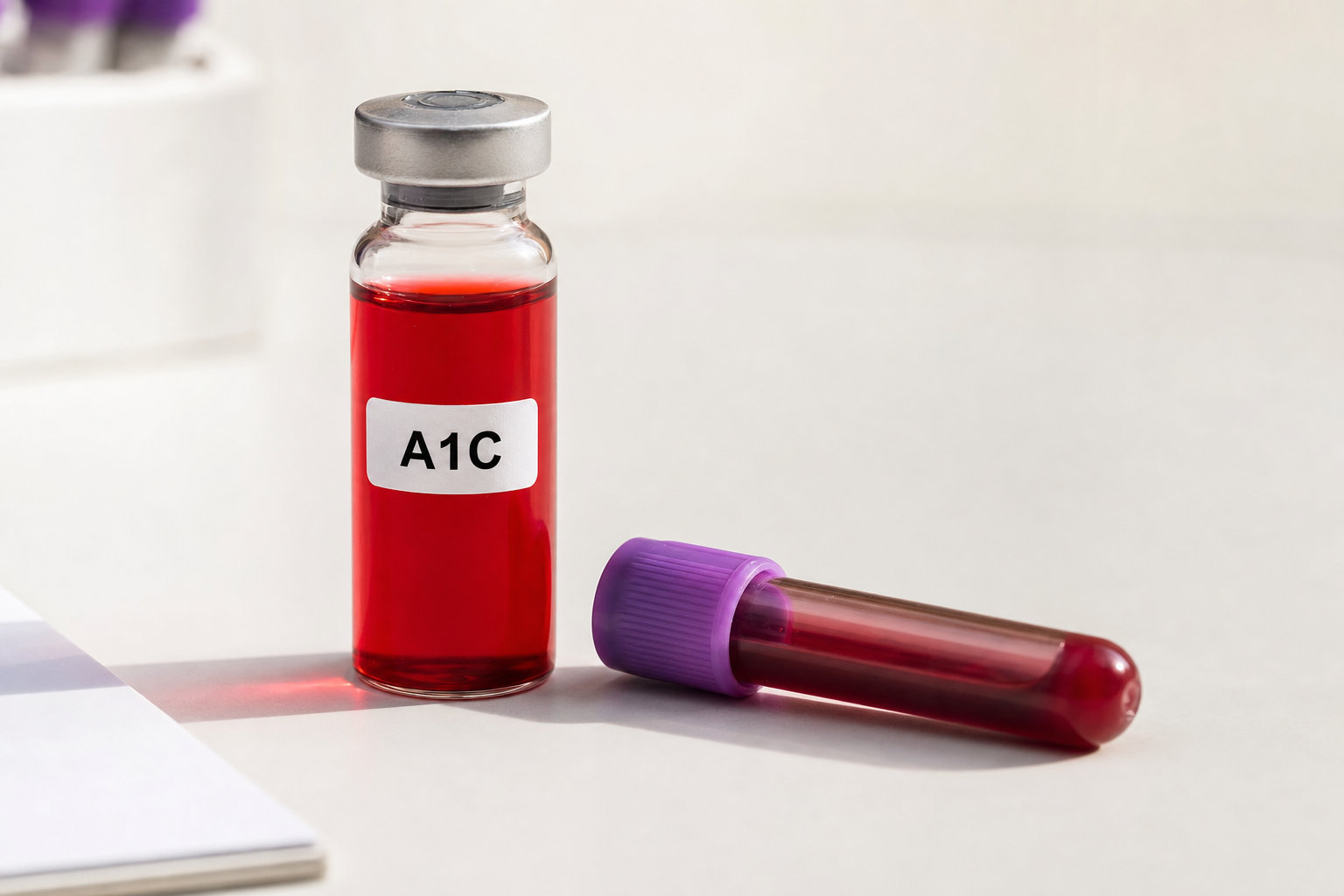
A1C testing is central to diagnosing and managing diabetes, offering a reliable reflection of long-term blood glucose control. Understanding this measurement enables people with diabetes and their health professionals to make informed decisions about therapy and risk management. Being aware of how A1C is measured, interpreted, and its limitations is crucial for navigating diabetes care effectively.
A1C provides valuable information by indicating average glycemia over roughly two to three months, making it an essential tool in addition to fasting plasma glucose and other tests. Its use in both diagnosis and monitoring has grown, as guidelines now recommend A1C for supporting evidence-based and individualized diabetes management. The GMI Calculator complements traditional A1C results as part of a comprehensive strategy, improving understanding of glycemic trends. With evolving thresholds, measurement techniques, and recommendations, it remains important to follow best practices for interpreting A1C data when managing diabetes.
What A1C reveals about average glycemic status
A1C testing measures the percentage of glycated hemoglobin, reflecting average blood glucose over the preceding two to three months. This period matches the average lifespan of red blood cells, during which exposure to glucose leads to their glycation at a rate proportional to circulating sugar levels.
This assessment is useful both for diagnosing diabetes and for ongoing monitoring of long-term glucose control. Unlike single-point glucose tests, A1C results provide a broader perspective, helping to avoid reactive changes based on transient fluctuations caused by food intake, stress, or illness.
Guidelines highlight the importance of A1C due to its stability, making it valuable for both diagnosis and long-term follow-up. The longer-term index A1C provides is a key part of evidence-based diabetes management strategies for adults and children.
Reliability in A1C testing comes from standardization of laboratory methods. Health organizations require all results to be traceable to reference standards, reducing variation and ensuring consistency across laboratories.
Laboratory processes for trustworthy measurement
Most laboratories use high-performance liquid chromatography (HPLC), immunoassays, or capillary electrophoresis to measure A1C. These techniques aim to minimize interference and ensure results align with accepted reference methodologies, including the National Glycohemoglobin Standardization Program (NGSP) and International Federation of Clinical Chemistry (IFCC) approaches.
Samples for A1C testing are usually collected by standard venipuncture into an EDTA tube. The consistency of this collection process supports reliability in both hospital and outpatient environments.
A1C results are typically reported as a percentage, though in some countries, mmol/mol is used as the reporting unit. Results can be converted between these units, supporting clear communication regardless of local standards.
Some clinics utilize point-of-care A1C devices to deliver rapid results and timely decision-making. However, laboratory-based methods are preferred for diagnosis where the highest level of accuracy is needed.
Establishing diabetes diagnosis and screening cut points
Clinical guidelines generally set an A1C threshold of 6.5 percent or above, using NGSP-certified, standardized assays, as one of the criteria for diagnosing diabetes in adults. An A1C level of 5.7 to 6.4 percent is considered a marker of increased diabetes risk and can prompt further testing or monitoring.
A1C is used in conjunction with fasting plasma glucose and the oral glucose tolerance test as part of diagnostic protocols, with each approach offering unique strengths. Fasting plasma glucose assesses baseline glycemia, while the oral glucose tolerance test measures the body’s response after a glucose load over a two-hour period.
Repeat A1C testing or confirmation by an alternative method is often recommended when diagnosing diabetes, particularly if the person has no clear symptoms or risk factors. This confirmation helps minimize the potential for misclassification related to biological or measurement variability.
Specific patient groups or clinical contexts may limit the suitability of A1C as a diagnostic tool, leading clinicians to prioritize glucose-based tests instead. Careful clinical judgment is important to ensure screening strategies are appropriate for each individual.
Translating A1C results into ongoing care decisions
A1C measurements guide clinicians in establishing individualized glycemic targets. For many nonpregnant adults, targets are frequently set around 7 percent, but may be tailored depending on age, diabetes duration, comorbidities, and risk of hypoglycemia.
A1C results also inform adjustments to medication and diabetes regimens. When values remain higher than personalized goals, it may be appropriate to reconsider both lifestyle interventions and pharmacologic therapies. Assessment of trends in A1C over time is preferred over any single result for an accurate picture of control.
Ongoing review of A1C must take each person’s complete clinical profile into account. Trend analysis supports the identification of risk for complications and helps prioritize follow-up or changes to the management plan.
Discussing A1C at regular appointments facilitates prompt action and helps individuals and their clinicians share a mutual understanding of progress. A1C is evaluated alongside symptoms, glucose monitoring outcomes, and safety concerns such as hypoglycemia.
Understanding when A1C results might be misleading
Certain medical conditions can affect the accuracy of A1C, including anemia, hemoglobinopathies, pregnancy, and recent blood transfusions. In these situations, abnormal red cell turnover may lead to misleading estimates of average glycemia.
Chronic kidney disease and disorders affecting hemoglobin may also lead to A1C values that do not accurately represent glycemic control. Recognizing these confounders helps ensure interpretation of results remains clinically valid.
For individuals with altered red blood cell dynamics, direct glucose monitoring through continuous glucose monitoring or self-monitoring may provide more actionable data. This approach is especially valuable for those with rapidly changing glycemic profiles or at higher risk for hypoglycemia.
When there is suspicion of interference or a change in a patient’s clinical condition, using supplementary assessment tools can support safer diabetes management. Healthcare professionals select monitoring modalities that best suit individual clinical scenarios.
Drawing distinctions with alternative glycemic assessments
While A1C gives a retrospective average of glycemic control, self-monitoring and sensor-based summaries provide real-time feedback and may highlight daily fluctuations that A1C cannot reveal. For people experiencing frequent hypoglycemia or marked glycemic variability, these approaches can offer insights beyond those given by A1C alone.
Estimated average glucose translates an A1C result into units comparable to those from self-monitoring by fingerstick, aiding interpretation in the context of daily management. This estimation should be used together with other clinical information and ongoing glucose monitoring for a more comprehensive perspective.
