

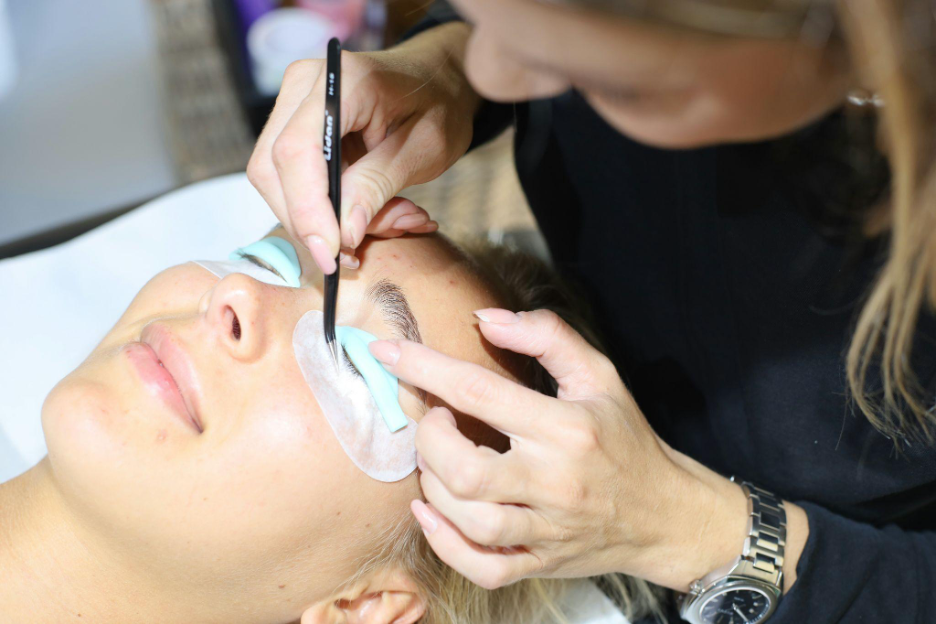
Photo by nastiia nikitenko on Unsplash
The demand for non-invasive facial rejuvenation has grown rapidly as more people seek treatments that support healthier-looking skin without surgery or lengthy recovery periods. Advances in skincare science, light-based therapies, peptides, and targeted delivery systems have expanded the range of options available for addressing concerns such as fine lines, uneven texture, and reduced skin firmness.
Rather than replacing traditional skincare habits, many emerging technologies are designed to complement consistent routines by supporting the skin’s natural processes. Understanding how these innovations work allows consumers to make informed decisions while maintaining realistic expectations.
Peptide Research Is Expanding Modern Skincare
One of the most significant developments in cosmetic science is the growing interest in peptides, short chains of amino acids that play important roles in skin biology. Researchers continue exploring how different peptide combinations may support the appearance of firmer, healthier-looking skin when incorporated into topical formulations.
Companies such as https://plulaboratories.com/ have focused on simplified peptide-based formulations that emphasize clinically studied peptide ingredients while minimizing unnecessary additives. Their approach reflects a broader industry trend toward ingredient transparency and targeted formulations that prioritize well-defined active compounds rather than increasingly complex ingredient lists.
As peptide research continues to evolve, consumers are becoming more interested in understanding ingredient functions instead of relying solely on product marketing.
Light-Based Technologies Continue to Advance
Light therapy has become one of the most widely discussed non-invasive approaches in modern skincare. Various wavelengths of light are being studied for their ability to support normal skin processes without damaging the skin’s surface.
Consumers researching a red led light mask for face are often interested in learning how red light devices are designed to fit into at-home skincare routines and how they differ from professional in-office treatments. These wearable devices are intended to provide consistent light exposure as part of a regular skincare regimen, making them one of several technologies now available for people seeking non-invasive options.
As with many cosmetic technologies, consistent use and realistic expectations remain important when evaluating potential results.
Better Delivery Systems Improve Ingredient Performance
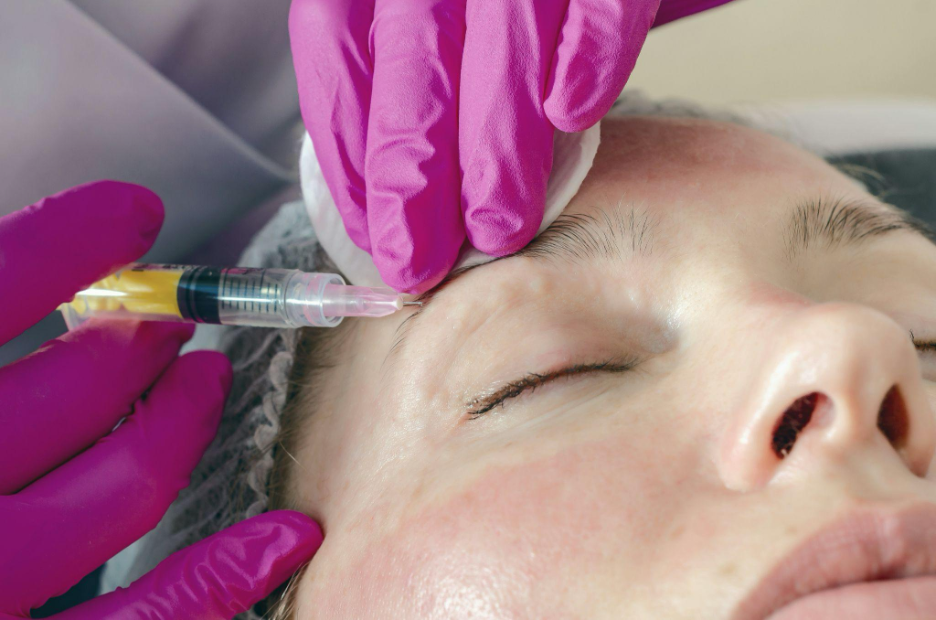
Photo by Corinne Sawers on Unsplash
Modern skincare innovation extends beyond active ingredients themselves. Scientists also focus on improving how those ingredients are delivered to the skin. Advances in encapsulation technologies, micro-delivery systems, and formulation chemistry help improve ingredient stability while supporting more even application.
These developments allow manufacturers to create products that remain effective throughout their intended shelf life while enhancing the overall user experience. Improved formulation techniques may also help reduce irritation for some users by optimizing how active ingredients interact with the skin’s surface.
Although delivery technology continues to improve, choosing products appropriate for individual skin types remains an essential part of any skincare routine.
Personalized Skincare Is Becoming More Common
Another major trend in facial rejuvenation is personalization. Rather than recommending identical routines for everyone, many skincare professionals now consider factors such as age, skin sensitivity, environmental exposure, lifestyle, and specific cosmetic concerns when suggesting products or treatment plans.
Digital skin analysis, online consultations, and AI-assisted assessments are making customized recommendations more accessible than ever before. While these tools cannot replace professional medical evaluation when necessary, they can help consumers better understand their skin and build routines that address their individual goals.
Personalized approaches also reduce unnecessary product use by focusing attention on ingredients and technologies that are most relevant to each person’s needs.
Prevention Is Driving Future Innovation
Many recent innovations emphasize prevention rather than correction. Instead of waiting until visible signs of aging become more pronounced, consumers are increasingly adopting habits that support long-term skin health through daily sun protection, consistent hydration, gentle cleansing, and carefully selected skincare products.
This preventive philosophy influences the development of new formulations, wearable technologies, and cosmetic devices that are intended to integrate naturally into everyday routines rather than serve as occasional treatments. Researchers continue investigating how combinations of established ingredients and emerging technologies may work together to support healthier-looking skin over time.
As scientific understanding advances, future innovations will likely focus not only on improving appearance but also on helping consumers better understand the biological processes behind healthy skin.
Science Continues to Shape the Future of Skincare
Non-invasive facial rejuvenation continues to evolve through advances in peptide research, light-based technologies, improved ingredient delivery systems, and personalized skincare strategies. While no single innovation can prevent the natural aging process, these developments provide consumers with an expanding range of options for supporting skin health without surgical intervention.
Ultimately, the most effective approach combines evidence-based technology with consistent daily skincare habits and realistic expectations. As research progresses, the future of facial rejuvenation will likely depend on thoughtful integration of science, education, and individualized care rather than any single breakthrough technology.
