

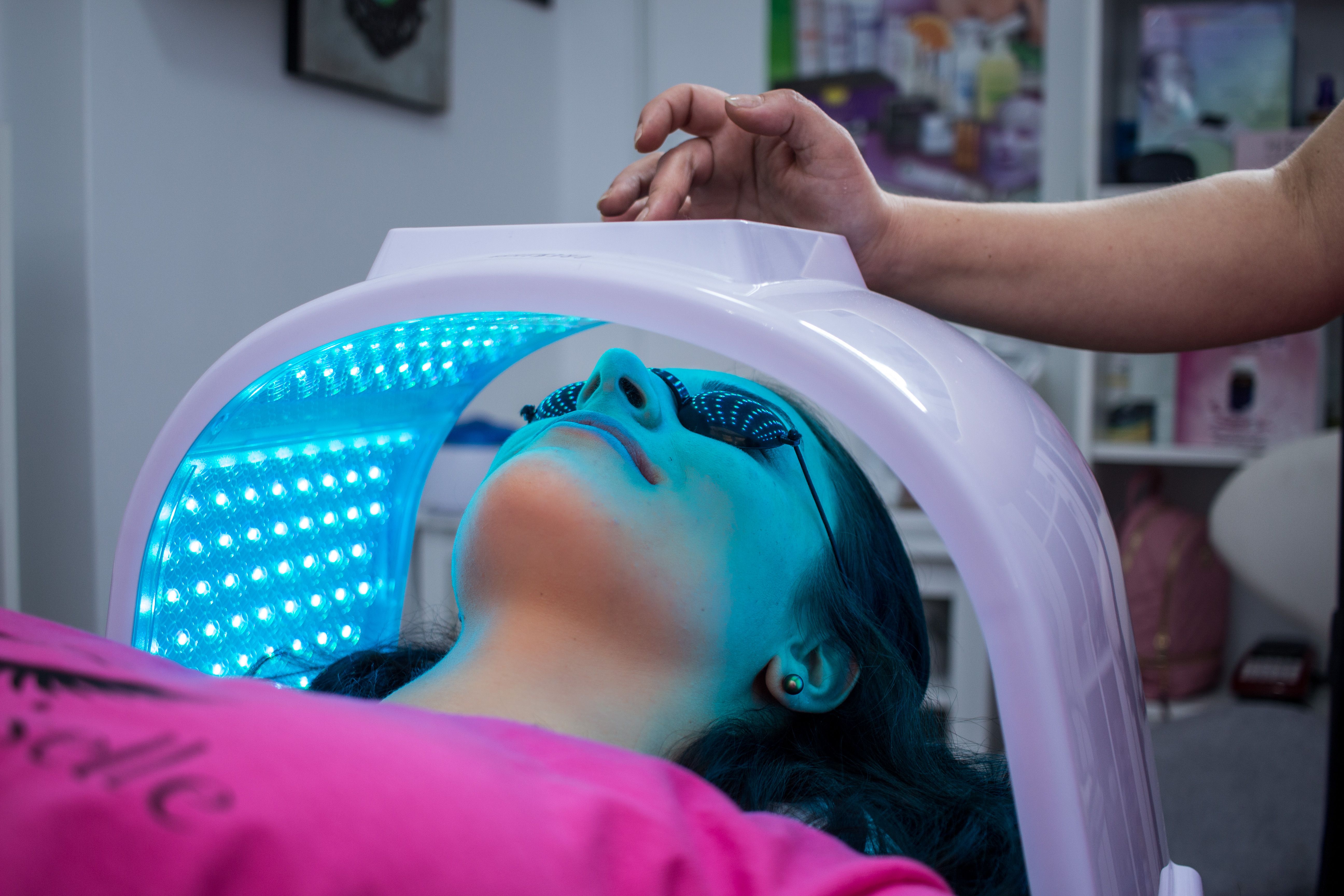
Eye protection is a fundamental aspect of safety for both patients and clinical staff during red light therapy sessions. As new research highlights, red and near-infrared wavelengths used in medical and wellness treatments can present unique ocular risks if adequate safeguards are not applied.
Understanding research-driven guidance supports the implementation of consistent protective measures in therapeutic environments.
Ocular risks associated with red and near-infrared light exposure
Red light therapy frequently employs devices emitting light within the 600–900 nm range, covering both visible red and near-infrared spectra. Research suggests these wavelengths penetrate eye structures to varying depths, potentially affecting the retina, lens, and surrounding tissues. Even low-powered devices can present hazards over repeated or extended sessions, making eye protection red light therapy strategies necessary.
Clinicians and operators may experience higher cumulative exposure than patients due to involvement in numerous sessions daily. Studies reveal that both direct and reflected light from these devices contribute to total exposure, which may elevate risk for all individuals present in treatment areas. For staff working near near-infrared sources, near infrared eye protection is frequently recommended to address wavelengths that cannot be assessed reliably by brightness alone. Notably, visible symptoms of overexposure, such as fatigue or mild discomfort, may not appear immediately.
Thermal and photochemical injury mechanisms differ depending on wavelength, device intensity, and duration. Research underscores the importance of monitoring not just visible signs of acute damage, but also the long-term impact of repeated exposures to red and near-infrared wavelengths in therapeutic contexts. In practice, this often leads teams to standardize red light therapy glasses use across all sessions rather than relying on perceived comfort.
The cumulative nature of light exposure presents a particular concern in professional settings where multiple sessions occur daily. Research indicates that photochemical damage to retinal cells can accumulate over time, even when individual exposure events remain below acute injury thresholds. This phenomenon, known as the reciprocity effect, means that repeated low-level exposures may eventually produce the same tissue damage as a single high-intensity exposure. In such workflows, eye protection red light therapy policies help reduce variability in adherence from one session to the next. For practitioners conducting numerous treatments weekly, the total annual exposure can reach levels that significantly exceed recommended safety limits, underscoring the necessity of consistent protective measures throughout every session.
The use of medical light devices, such as panels, lasers, and handheld lamps, introduces direct and indirect exposure risks to the eyes. This makes red light therapy eye protection a critical part of safe practice. Research indicates that wavelengths in the red (600–700 nm) and near-infrared (700–900 nm) ranges may penetrate ocular tissues and cause damage when exposure is insufficiently controlled. In many clinics, red light therapy glasses are treated as standard equipment alongside other safety controls. Addressing these findings is essential, as both acute and cumulative exposures are possible depending on the device and frequency of use.
Evidence-based criteria for protective eyewear selection
Effective protection during red light therapy relies on choosing eyewear designed and certified for the device’s emission spectrum. Studies emphasize that standard safety glasses or tinted lenses, which do not block the full 600–900 nm range, are inadequate for protecting ocular tissues against medical-grade light devices. When selecting products for filtered coverage, near infrared eye protection should be evaluated for documented blocking across the specific near-infrared band in use. As a result, selecting eyewear rated for the specific wavelengths in use is essential.
Labels on certified eyewear provide key information, such as wavelength coverage and optical density (OD), allowing users to match eye protection accurately to their device. For example, eyewear labeled as “OD 5+ @ 600–900 nm” offers a high level of protection throughout the necessary spectrum, as recommended in published safety guidelines. This labeling is often used to answer the practical question, do you need glasses for red light therapy, especially when device output and treatment distance vary.
Failure to select appropriate protection can result in gradual eye injury, particularly for staff subjected to repeated exposure. Researchers advocate reviewing manufacturer technical data, along with referencing independent standards and clinical best practices, to ensure all eyewear used in therapeutic environments genuinely addresses cumulative exposure risks. For patient-facing guidance, clinics may also provide simple criteria explaining do you need glasses for red light therapy in plain language without relying on assumptions about device safety.
Beyond optical density ratings, research emphasizes the importance of considering the visible light transmission (VLT) percentage when selecting protective eyewear for red light therapy environments. While high optical density ensures adequate blocking of therapeutic wavelengths, excessively low VLT can impair visibility and create safety hazards during treatment administration. Studies suggest that eyewear should maintain sufficient visual clarity to allow practitioners to monitor patients, operate equipment safely, and navigate treatment spaces without obstruction. Balancing protection with functionality requires careful evaluation of both spectral blocking characteristics and practical usability in clinical workflows.
Implementing practical safety protocols in clinical settings
Consistent implementation of safety measures is vital, with protocols adapted to accommodate the varying roles and risk levels of patients, clinicians, and support personnel. Assigning appropriate eyewear to all present during device usage, regardless of proximity, emerges as a clear recommendation from current research. Considerations should extend to possible stray light or reflections, which may pose additional risks. In daily operations, red light therapy glasses availability at point of care supports higher compliance among both staff and patients.
Practical steps include routine inspection of eyewear for scratches or damage, maintaining detailed inventories, and ensuring fit with wrap-around or side-shield features to minimize bypass of harmful light. Research highlights the value of comfort, anti-fog coatings, and prescription compatibility in supporting consistent use among staff and patients alike.
Documenting maintenance schedules, user training, and periodic review of protective protocols reflects research-based recommendations for maintaining long-term eye safety. Clinical teams relying on up-to-date evidence are more likely to prevent both immediate and cumulative ocular harm during regular red light therapy applications.
Establishing a culture of safety compliance requires comprehensive training programs that educate all personnel about the specific risks associated with red and near-infrared light exposure. Research demonstrates that knowledge gaps regarding invisible near-infrared wavelengths contribute to inconsistent protective eyewear usage, as staff may underestimate risks from light they cannot perceive. Effective training protocols should include demonstrations of proper eyewear fitting, explanations of wavelength-specific hazards, and clear documentation of when protection is mandatory. Regular refresher sessions and visible signage in treatment areas reinforce these practices, ensuring that eye protection becomes an automatic component of every therapeutic session rather than an optional consideration.
The evolving landscape of eye protection research in red light therapy
Recent research has driven significant refinement of eye protection requirements, with special attention to red and near-infrared therapies. As new devices and treatment protocols emerge, the need for specialized and certified protective eyewear becomes even more critical. Collaboration with manufacturers specializing in wavelength-specific products enables clinics to respond effectively to ongoing innovation in photobiomodulation therapy.
Continued investigation of clinical outcomes and device performance shapes updated standards and safety recommendations. Eye safety during red light therapy remains an area of active research, and ongoing efforts ensure protocols will adapt to future advancements, fostering safer and more effective therapeutic environments for patients and healthcare professionals alike.
