

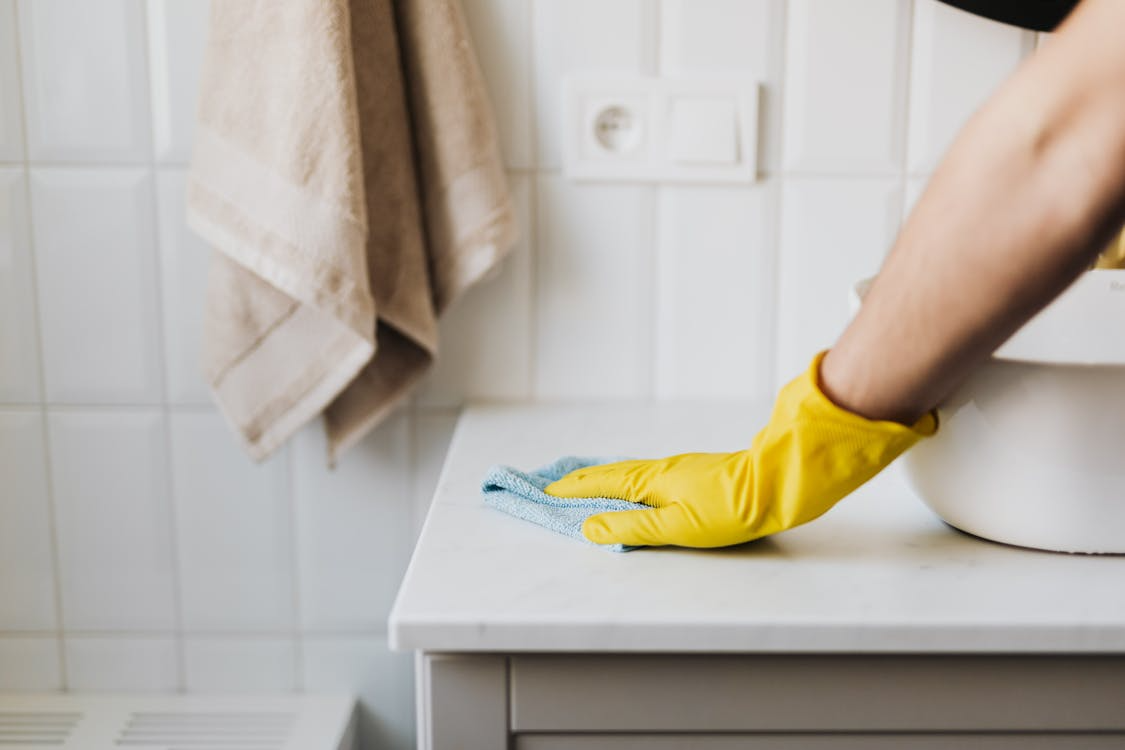
Why shared environments need more than surface-level cleanliness
A room can appear spotless while still harbouring harmful germs. Many people assume that if a space looks clean, it must also be safe. In reality, visual cleanliness and effective infection prevention are not the same thing. In shared environments, that difference can create serious health risks.
Creating genuinely safe shared spaces requires more than routine cleaning or general tidying. Effective infection prevention relies on structured hygiene systems, evidence-based processes, and reliable protocols that help reduce the spread of harmful microorganisms.
Understanding this distinction means looking beyond surface appearance and focusing on what actually controls contamination.
High-touch surfaces and transmission risk
High-touch surfaces are among the most common points for germ transmission in shared environments. Door handles, lift buttons, shared equipment, desks, and communal furniture are touched repeatedly throughout the day. Every contact increases the possibility of transferring germs from one person to another.
While regular cleaning may remove visible dirt and grime, it does not always eliminate harmful microorganisms. There is an important distinction between cleaning and disinfecting:
- Cleaning removes debris and organic matter
- Disinfecting reduces bacteria and germs using specific chemical agents.
Both processes are necessary because neither alone is enough.
Companies focused on infection prevention, such as Whiteley, develop products and guidelines designed to address the difference between cleaning and disinfecting. Effective infection control depends on validated products, appropriate contact times, and consistent application, rather than quick or inconsistent cleaning practices.
The limits of what the eye can see
People often judge cleanliness based on appearance. If surfaces look clean, the environment feels safer. However, bacteria, viruses, and fungi are invisible to the naked eye and may remain on surfaces even after standard cleaning.
Research published in peer-reviewed journals shows that environmental cleaning plays a significant role in preventing healthcare-associated infections, although the process itself is complex. A visually clean surface does not necessarily mean it is free from contamination. Studies have also found that standard cleaning practices may fail to remove all microorganisms from indoor environments.
This issue is especially relevant in crowded shared spaces. Hospitals, aged care facilities, gyms, schools, and workplaces all contain high-touch surfaces that can contribute to repeated germ transmission throughout the day.
Why structured systems outperform ad hoc approaches
Modern health and safety practices can no longer rely on guesswork. Effective infection prevention depends on structured, evidence-based systems that include chemical management, staff training, auditing procedures, and performance monitoring tools that go beyond visual inspection.
One of the major developments in infection prevention is the increased use of real-time surface assessment methods. Simply inspecting a surface visually cannot confirm whether proper disinfection has occurred. Tools that provide measurable, objective data help facilities assess contamination and infection risks more accurately.
Beyond testing and auditing, structured systems also account for human behaviour. Even experienced cleaning staff may unintentionally miss surfaces or overlook steps when working under time pressure. Checklists, zoning systems, workflow procedures, and accountability measures help reduce these gaps. The objective is to build consistency into the process instead of relying entirely on individual performance.
The role of chemistry in infection prevention
Not all cleaning and disinfecting products perform equally. The chemical composition of a product determines how effectively it works against specific pathogens, how safe it is for users, and whether it is suitable for different surfaces. Using the wrong product, or using the right product incorrectly, can create a misleading sense of safety.
Effective disinfectants should be independently tested and validated against a broad range of pathogens relevant to the environment. In healthcare settings, this may include bacteria such as MRSA, viruses, and spore-forming organisms. Research into controlling hospital-acquired infections has shown that enhanced cleaning of shared common areas can measurably reduce transmission and outbreaks.
These findings reinforce the importance of using the right chemicals correctly and consistently for effective infection prevention. Disinfection is not simply an added precaution. It forms a core part of maintaining safe shared environments.
Training and accountability can’t be overlooked
Even high-quality products are ineffective if they are not used correctly. Training should not be treated as a one-off exercise. Infection prevention practices must evolve alongside updated regulations, emerging pathogens, and changing industry standards. Staff who understand the reasons behind infection prevention procedures are more likely to apply them consistently.
Accountability is equally important. Routine audits, cleaning verification processes, and transparent reporting systems help maintain strong infection prevention standards. Organisations that treat these measures as administrative formalities rather than operational safeguards are often more vulnerable to contamination risks.
Responsibility also extends beyond the cleaning staff alone. Clinical teams, managers, procurement departments, and organisational leaders all contribute to maintaining safe shared environments.
Building environments that protect people
Preventing infections involves far more than making spaces appear clean. Shared environments require planned cleaning processes, effective disinfection, and evidence-based systems that address hidden contamination risks. Focusing only on appearances can leave organisations vulnerable to ongoing germ transmission.
Strong infection prevention systems combine validated products, ongoing staff training, accountability measures, and consistent operational routines. Investing in these measures helps reduce risks and better protect staff, visitors, patients, and the broader community. Although eliminating all risk is impossible, consistent and structured prevention strategies significantly improve overall control.
