

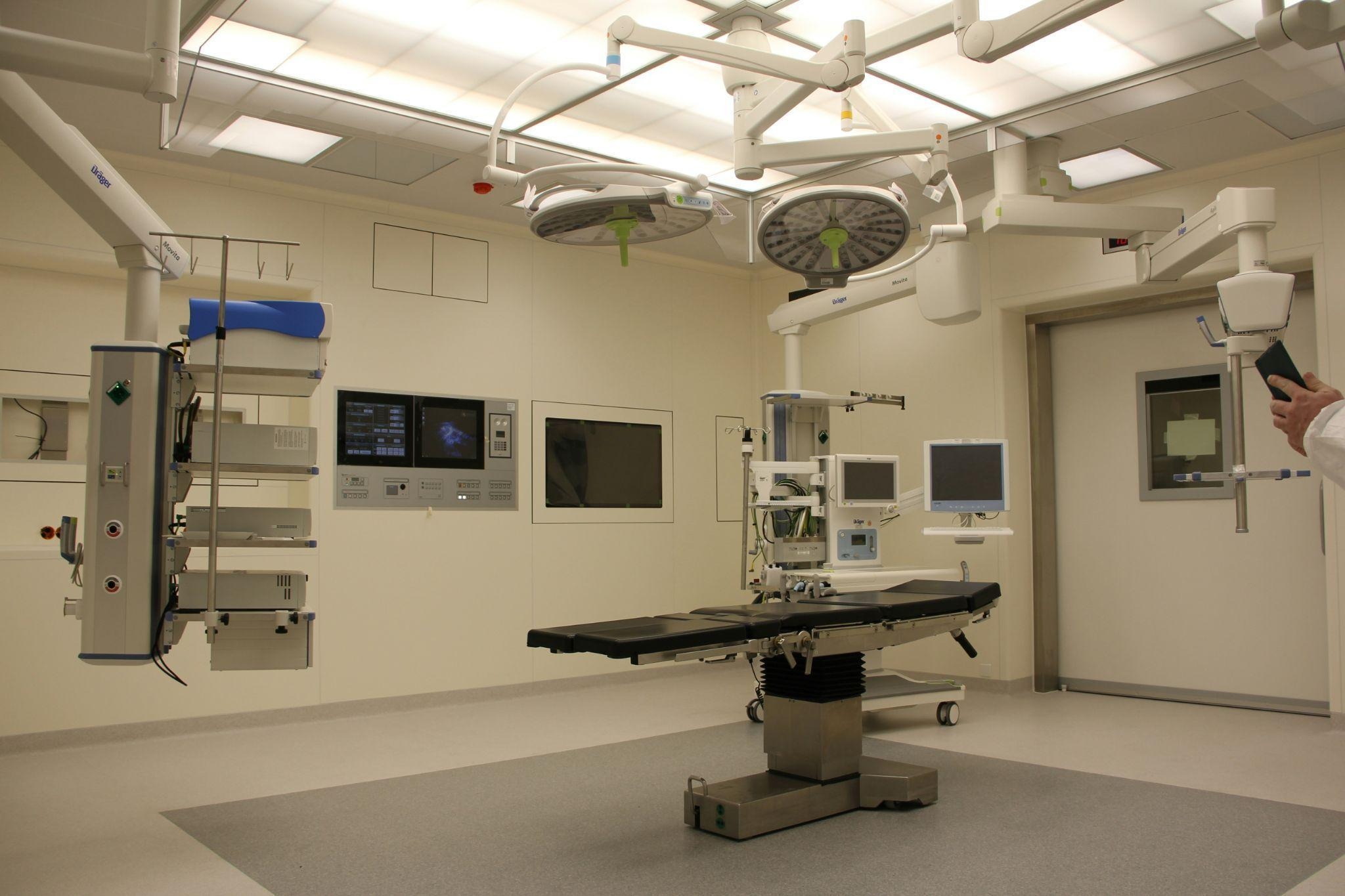
Infection prevention is one of the most important responsibilities in any healthcare environment. Whether it’s a dental practice, medical clinic, therapy center, outpatient facility, or specialist office, maintaining a clean environment is about far more than appearance. Every cleaning decision has the potential to influence patient safety, staff well-being, regulatory compliance, and confidence in the quality of care being delivered.
Many facilities invest heavily in disinfectants and cleaning supplies, assuming that stronger products automatically produce better results. In reality, effective infection control depends on a combination of appropriate cleaning methods, well-trained staff, suitable equipment, and consistent procedures. The goal isn’t simply to clean more frequently but to clean smarter by matching methods to the level of risk in each area of the facility.
Choose Equipment That Matches the Environment
Every clinical space has different cleaning requirements. Reception areas, consultation rooms, treatment spaces, administrative offices, and shared hallways all experience different levels of traffic and patient contact. Because of that, one cleaning method rarely fits every part of the building.
Facilities with carpeted waiting rooms, offices, or administrative spaces often compare the best commercial capet extracting machine when evaluating equipment capable of delivering deep cleaning while minimizing disruption to daily operations. Selecting equipment that’s appropriate for the size of the facility, the flooring materials, and the volume of daily use helps create more consistent cleaning results while improving efficiency. The right tools also allow maintenance teams to complete routine cleaning on schedule rather than delaying important tasks because equipment is inadequate or difficult to use.
Choosing equipment should always support the cleaning strategy instead of defining it. Reliable processes, properly maintained machines, and trained staff work together far more effectively than any single product alone.
Create Spaces That Support Health Beyond Cleaning
A clinical environment should feel both clean and comfortable. While infection control focuses on reducing contamination, patients also benefit from spaces that promote a sense of calm and well-being. Comfortable waiting areas, thoughtful lighting, good ventilation, and carefully planned layouts all contribute to creating a positive experience without compromising hygiene standards.
Organizations exploring wellness-focused environments sometimes look at resources from https://saunakits.com/ while researching ways thoughtfully designed spaces can encourage relaxation in appropriate non-clinical settings. Although wellness amenities serve a different purpose than infection prevention, both reflect the broader objective of creating environments that support overall health through careful planning and attention to detail.
Patients often judge the quality of care before meeting a clinician. A clean, organized, and welcoming environment immediately communicates professionalism and attention to detail.
Focus on High-Risk Areas First
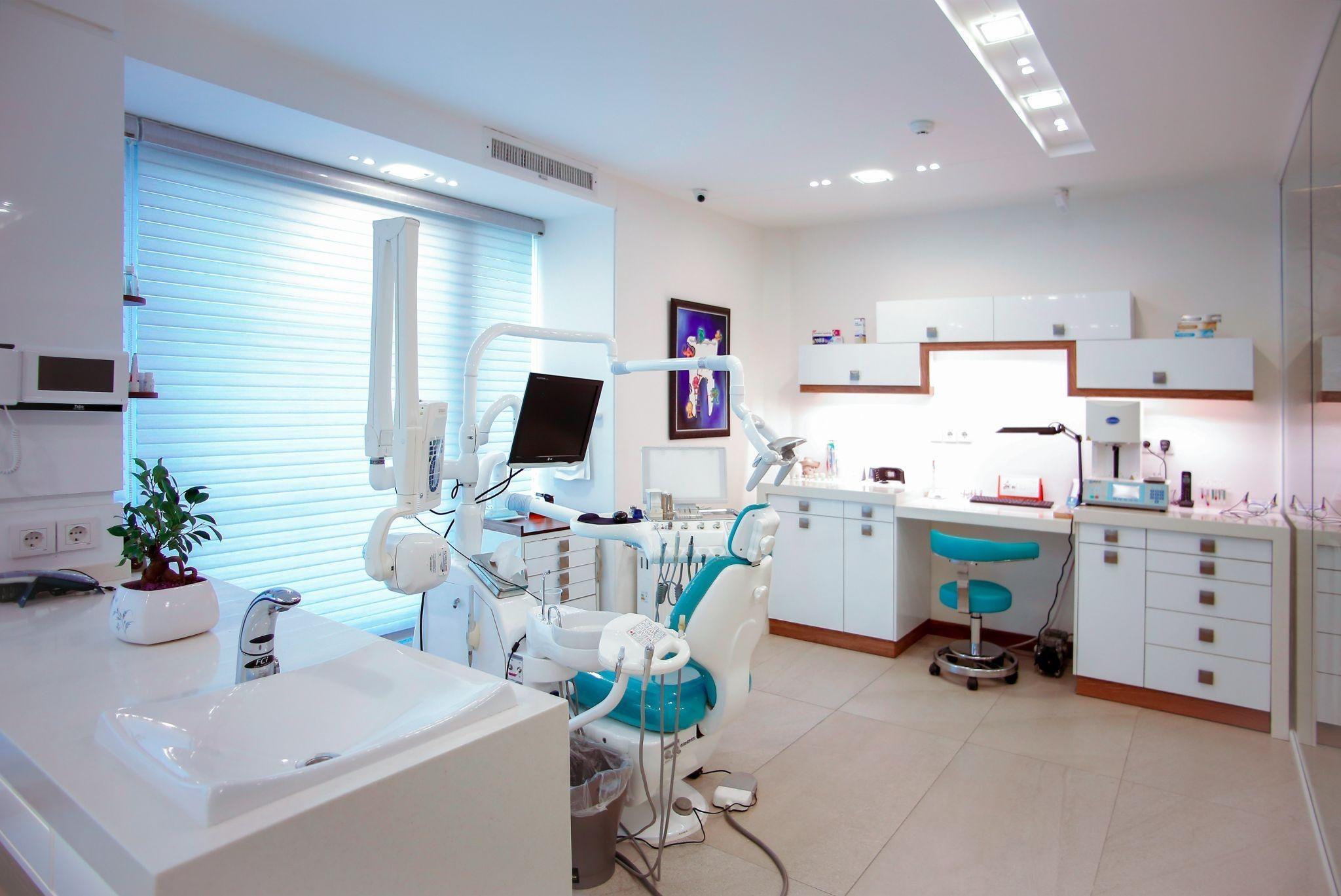
Photo by Benyamin Bohlouli on Unsplash
One of the most common mistakes facilities make is treating every room exactly the same. In reality, infection risks vary significantly throughout a building.
Treatment rooms, examination areas, and frequently touched surfaces naturally require more attention than storage rooms or administrative offices. Door handles, examination chairs, countertops, keyboards, payment terminals, light switches, waiting room furniture, and shared equipment all experience repeated contact throughout the day and deserve cleaning schedules that reflect their level of use.
Developing maintenance plans based on actual risk rather than convenience allows staff to spend more time where cleaning has the greatest impact. It also prevents resources from being spread too thin across areas that don’t require the same level of attention.
Successful infection prevention isn’t about cleaning everything equally. It’s about prioritizing the places where contamination is most likely to occur.
Train Staff to Follow Consistent Procedures
Even the most effective cleaning products cannot compensate for inconsistent techniques. Staff members should understand which products belong in different areas, how equipment should be maintained, and the correct sequence for cleaning and disinfecting surfaces.
Written procedures help eliminate uncertainty while making it easier to train new employees and maintain consistent standards across every shift. Regular refresher training also reinforces proper use of protective equipment, safe handling of waste materials, and techniques that reduce the risk of cross-contamination between rooms.
Consistency becomes especially important during busy periods when staff are working quickly. Clear procedures reduce guesswork and help ensure that important cleaning steps aren’t overlooked simply because the schedule becomes demanding.
Quality assurance also plays an important role. Routine inspections and periodic reviews allow facilities to identify weaknesses early and improve procedures before they affect patient care.
Build Infection Prevention Into Everyday Operations
The strongest infection control programs don’t rely on occasional deep cleaning or reactive responses to illness. Instead, they become part of the daily routine.
Cleaning schedules should be realistic, responsibilities clearly assigned, and maintenance performed before problems become visible. Equipment should be inspected regularly, supplies should always be available, and cleaning practices should evolve as the facility grows or introduces new services.
Viewing infection prevention as an ongoing operational strategy rather than an isolated cleaning task helps create safer environments for both patients and healthcare professionals. Every routine inspection, properly cleaned surface, and consistently followed procedure contributes to reducing unnecessary risk while supporting the quality of care the facility provides.
The most successful clinical environments aren’t simply those that look clean. They’re the ones where thoughtful planning, appropriate equipment, well-trained staff, and consistent daily habits work together to create spaces where patient safety remains the highest priority.
