

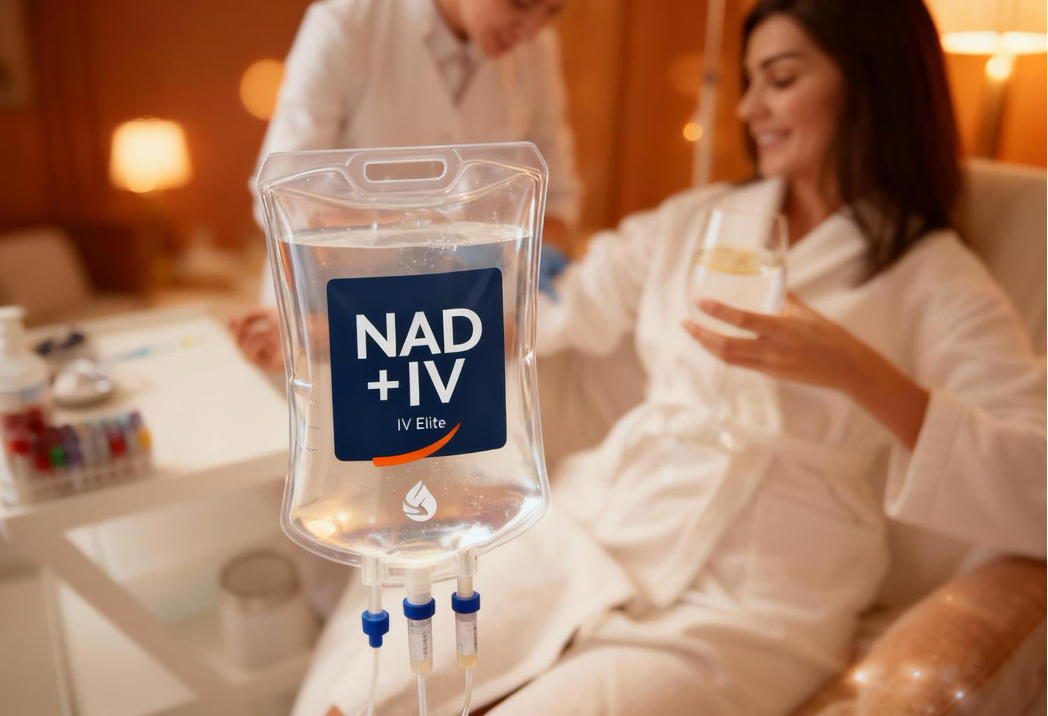
Image by serejik18 on Magnific
Intravenous wellness therapy has moved from the medical ward into the mainstream wellness conversation. Once associated mainly with hospitals, IV drips delivering fluids, vitamins and minerals are now offered as a wellness service, with people seeking them out for hydration, recovery and a general sense of revitalisation. As interest grows across Adelaide and beyond, it is worth understanding what IV therapy actually is, what it can and cannot do, and how to approach it sensibly. This is general information rather than medical advice, and a qualified health professional is always the right person to guide your individual decisions.
What IV Therapy Actually Is
Intravenous therapy involves delivering fluids and nutrients directly into the bloodstream through a vein. Because it bypasses the digestive system, the contents are absorbed quickly and made available to the body. In a clinical setting, this approach has long been used to treat dehydration and to deliver medication and nutrition when needed.
The wellness version applies the same basic principle, typically offering blends of fluids, vitamins and minerals aimed at hydration and general wellbeing. Understanding this distinction between established medical use and the newer wellness applications is the first step to approaching IV therapy with realistic expectations.
Why It Has Become So Popular
Part of the appeal is convenience and speed. Because nutrients are delivered straight into the bloodstream, people often report feeling refreshed and rehydrated relatively quickly. For busy individuals seeking a sense of recovery, that immediacy is attractive.
There is also a broader cultural shift toward proactive self-care, with people taking a more active interest in their wellbeing. IV wellness therapy fits neatly into that trend, offering a service that feels both modern and personalised. As with many wellness practices, however, it is wise to separate genuine benefits from marketing enthusiasm.
Choosing Where to Go
If you are considering IV therapy, where you go matters enormously. This is a procedure that involves accessing a vein, so it should only ever be carried out by appropriately qualified professionals in a clean, well-run environment. Cutting corners on safety is never worth it.
This is why choosing a trusted IV wellness clinic is so important. A reputable clinic will employ trained staff, follow proper hygiene and safety protocols, and take the time to understand your needs before recommending anything. Doing your research and choosing carefully is the single best way to protect yourself.
Setting Realistic Expectations
It is important to approach IV wellness therapy with a balanced view. While many people find it a pleasant and refreshing experience, it is not a cure-all and should not be seen as a substitute for the fundamentals of good health. A balanced diet, adequate hydration, regular exercise and sleep remain the foundations of wellbeing.
The evidence for the broader wellness claims sometimes made about IV therapy varies, and individual responses differ. Viewing it as a complement to a healthy lifestyle, rather than a replacement for one, leads to a more sensible and satisfying relationship with the service.
Safety and Who Should Be Cautious
IV therapy is generally considered safe when performed by qualified professionals, but it is not suitable for everyone. People with certain health conditions, those who are pregnant, or anyone on particular medications should be especially careful. This is exactly why a proper consultation beforehand matters.
Reliable health information is essential when making these decisions. Resources such as Healthdirect provide trusted, government-backed guidance on health topics, and speaking with your own doctor is always wise before trying something new. A good clinic will encourage, not discourage, this kind of careful consideration.
Questions Worth Asking
Before booking, it pays to ask a few sensible questions. Who will be administering the treatment, and what are their qualifications? What exactly is in the drip, and is it appropriate for you? What hygiene and safety procedures does the clinic follow? A trustworthy provider will answer these questions openly.
It is also reasonable to ask about the evidence behind any specific claims, and to be wary of providers who promise dramatic results. The best clinics are honest about what their service can realistically offer, and they prioritise your safety and informed consent above all else.
Listening to Your Body
Whatever wellness practices you explore, the most reliable guide is often your own body. Paying attention to how you feel, resting when you need to, and addressing the underlying causes of fatigue or stress will always matter more than any single treatment. Wellness is built day by day, not delivered in one session.
Used thoughtfully, services like IV therapy can complement that foundation, but they work best alongside good habits rather than in place of them. Keeping that perspective helps you make choices that genuinely support your long-term health.
A Considered Approach to Wellness
IV wellness therapy is part of a wider movement toward taking an active interest in our own health, and there is much to be said for that mindset. Approached thoughtfully, with realistic expectations and proper professional care, it can be a positive part of someone’s wellness routine.
The key, as with any health-related choice, is to be informed and cautious. Choose a reputable clinic, consult a health professional, and remember that no single treatment replaces the basics of healthy living. With that balanced approach, you can explore what modern wellness has to offer while keeping your health and safety firmly at the centre.
