

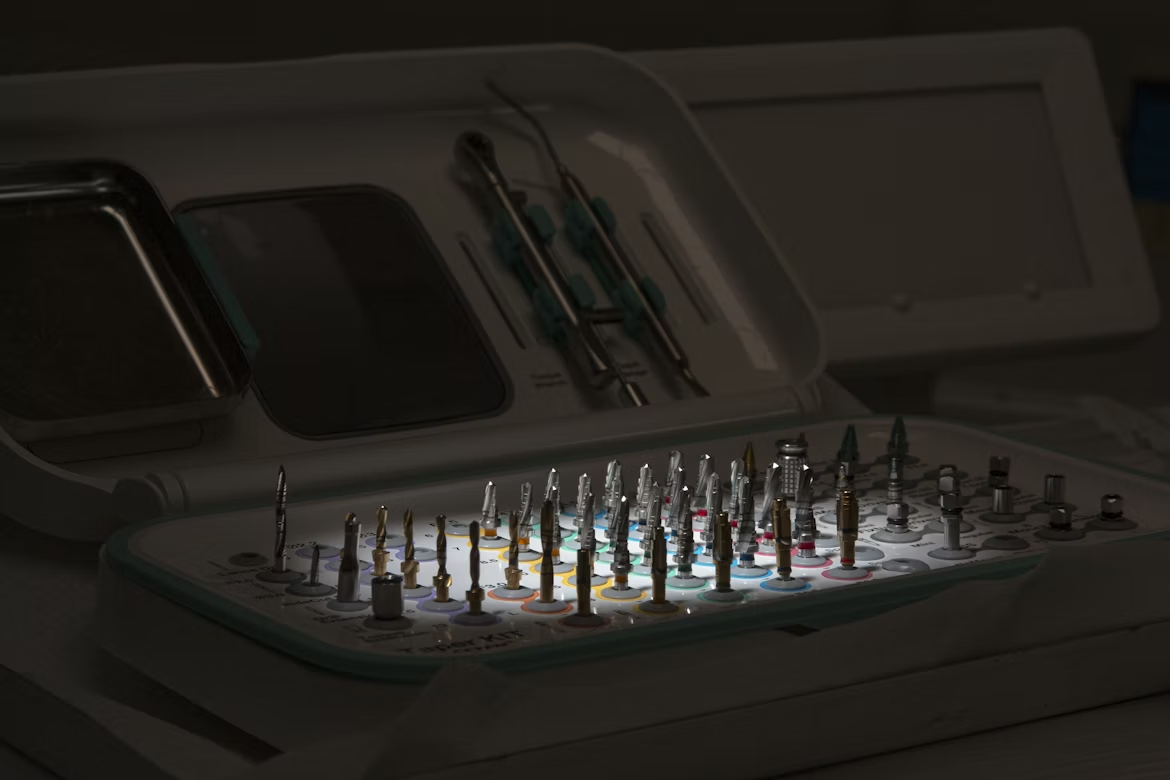
The American Dental Association’s 2024 data shows that patients with full arch dental implants report a 95% satisfaction rate five years post-surgery — significantly higher than traditional dentures or partial solutions. As implant technology continues advancing and more adults face complete tooth loss due to periodontal disease or decay, full arch restoration has emerged as the gold standard for comprehensive tooth replacement. Yet most patients approach this decision focused entirely on the procedure itself, with limited understanding of what daily life actually looks like afterward.
The transformation extends far beyond simply having teeth again. From the initial healing process through long-term maintenance routines, full arch implants fundamentally change how patients eat, speak, and maintain oral health. Understanding these realities — both the advantages and the adjustments — helps set realistic expectations for what is genuinely a life-changing investment in oral health and quality of life.
What to Expect During Recovery and Healing
The initial recovery from full arch implant surgery follows a predictable timeline, though individual experiences vary based on bone density, overall health, and surgical approach. Most patients experience moderate discomfort for the first 48-72 hours, manageable with prescribed pain medication and anti-inflammatory drugs. Swelling typically peaks around day three, then gradually subsides over the following week.
The first two weeks require the most careful attention. Patients must stick to soft foods — think scrambled eggs, smoothies, and well-cooked pasta — while the surgical sites heal. Many people underestimate how this dietary restriction affects daily routines. Planning meals becomes important, especially for those accustomed to grabbing quick snacks or eating on the go.
Osseointegration — the process where implants fuse with jawbone tissue — occurs over the next three to six months. During this critical period, patients typically wear temporary prosthetics that look and feel like natural teeth but require gentler treatment than the final restoration. These temporaries allow normal speaking and eating of softer foods while protecting the healing implant sites.
Most patients return to work within a week, though those with physically demanding jobs may need additional time off. The key milestone comes around month four, when dental imaging confirms successful osseointegration and patients receive their permanent prosthetic teeth. At this point, nearly all dietary restrictions lift, and the implants can handle normal chewing forces equivalent to natural teeth.
What surprises many patients is how natural the implants feel once fully healed. Unlike removable dentures that can slip or cause sore spots, properly integrated full arch implants become virtually indistinguishable from natural teeth in terms of sensation and function.
How Full Arch Implants Affect Long-Term Outcomes and Quality of Life
Full arch implants deliver functional improvements that compound over time, creating benefits that extend well beyond oral health. The most immediate change involves eating — patients can bite into apples, chew steak, and enjoy foods that were impossible with missing teeth or uncomfortable with dentures. This dietary freedom often leads to better nutrition, as people naturally gravitate toward healthier whole foods they can properly chew.
Speech clarity represents another significant improvement. Missing teeth or ill-fitting dentures can cause whistling, slurring, or difficulty pronouncing certain sounds. Full arch implants restore normal speech patterns because they’re anchored in place and sized to match natural tooth proportions. Many patients report increased confidence in professional and social settings once they no longer worry about dentures shifting during conversation.
The bone preservation benefit proves crucial for long-term facial structure. When teeth are lost, the jawbone begins resorbing — essentially shrinking away due to lack of stimulation. This process accelerates with removable dentures, which rest on the gums rather than stimulating bone tissue. Full arch implants, however, transfer chewing forces directly to the jawbone, maintaining bone density and preventing the sunken facial appearance that often develops with prolonged tooth loss.
Research from the Journal of Oral Implantology indicates that patients with full arch implants maintain 90% of their jawbone volume over ten years, compared to 60% bone loss typically seen with conventional dentures over the same period. This preservation helps maintain facial height and prevents the premature aging that often accompanies significant bone loss.
The psychological impact often exceeds patients’ expectations. Many describe feeling “like themselves again” after years of avoiding certain foods or feeling self-conscious about their smile. This confidence boost frequently extends to career opportunities, social interactions, and overall life satisfaction in ways that pure functionality measurements can’t capture.
How to Care for Full Arch Implants to Ensure Longevity
Daily maintenance for full arch implants requires more attention than natural teeth but less complexity than many patients expect. The fundamental difference lies in plaque management around the implant sites — bacteria can still accumulate along the gum line and potentially cause peri-implantitis, an inflammatory condition that threatens implant stability.
Morning and evening brushing remains essential, but the technique matters more than with natural teeth. Patients need soft-bristled toothbrushes and should focus on the areas where the prosthetic meets the gum tissue. These junction points require thorough cleaning to prevent bacterial buildup that could compromise the surrounding tissue.
Water flossers prove particularly valuable for full arch implant maintenance. The pulsing water effectively removes food particles and bacteria from hard-to-reach areas around the implant posts. Traditional string floss works too, but many patients find water flossers more comfortable and effective for comprehensive cleaning around the prosthetic structure.
Professional maintenance involves checkups every three to four months rather than the typical six-month schedule for natural teeth. During these visits, dental professionals can access areas patients cannot reach at home and monitor for early signs of complications. Professional cleaning around implants requires specialized instruments — metal scalers used on natural teeth can damage implant surfaces.
Warning signs that require immediate attention include persistent bleeding around the implant sites, unusual mobility of the prosthetic, or chronic bad breath despite good hygiene. These symptoms could indicate peri-implantitis or mechanical complications that, caught early, remain manageable but can threaten implant survival if ignored.
The investment in proper care pays dividends — studies show that full arch implants maintained according to professional recommendations have success rates exceeding 95% at the fifteen-year mark. Neglecting maintenance, however, can lead to complications requiring expensive interventions or even implant replacement.
How Full Arch Implants Compare to Other Tooth Replacement Options
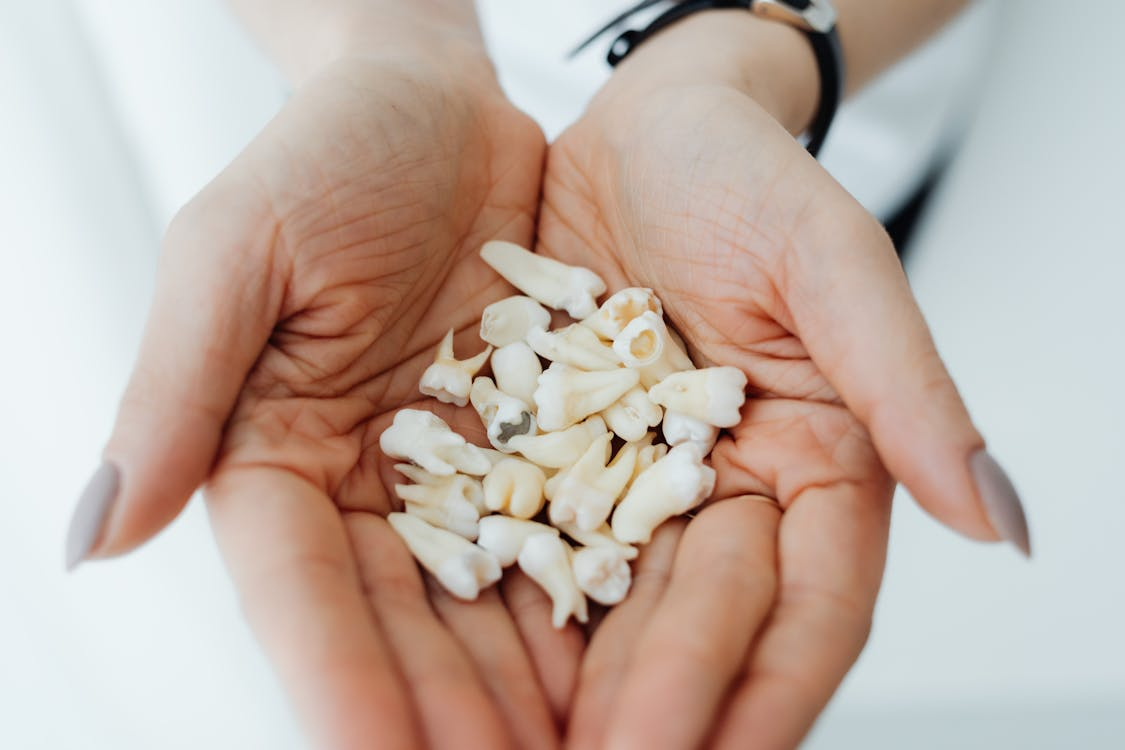
Understanding how full arch implants stack up against alternatives helps clarify why the investment makes sense for many patients facing complete tooth loss. The comparison extends beyond initial cost to include long-term functionality, maintenance requirements, and overall life impact. When considering comprehensive tooth replacement, patients should explore full-arch solutions for teeth alongside traditional options to understand the full spectrum of available treatments.
How Full Arch Implants Differ from Dentures
The stability difference between implants and removable dentures affects virtually every aspect of daily life. Traditional dentures rely on suction and adhesive to stay in place, creating constant uncertainty about slippage during eating or speaking. Full arch implants eliminate this concern entirely — they’re permanently fixed in place and cannot move unexpectedly.
Eating capabilities differ dramatically. Denture wearers typically avoid hard, sticky, or fibrous foods that might dislodge their appliance or cause discomfort. Corn on the cob, nuts, and chewy meats often become off-limits. Full arch implants restore normal biting force — up to 90% of natural tooth strength — allowing patients to eat whatever they choose without modification.
Maintenance routines also contrast significantly. Dentures require daily removal for cleaning, overnight soaking, and regular adhesive application. Many users find the removal process inconvenient and feel self-conscious without their teeth in place. Full arch implants use the same brushing and flossing routine as natural teeth, never requiring removal.
The bone preservation advantage of implants becomes more pronounced over time. Denture wearers often need adjustments or complete replacements every five to seven years as bone loss changes their jaw shape. Implant patients typically use the same prosthetic for fifteen years or more with only minor adjustments.
How Full Arch Implants Differ from Single Tooth Implants
While both approaches use the same implant technology, full arch restoration addresses complete tooth loss with a more comprehensive and cost-effective strategy. Single tooth implants work well for replacing individual teeth but become impractical when dealing with extensive tooth loss across an entire upper or lower arch.
From a structural perspective, full arch systems distribute chewing forces across multiple implant posts, creating stability that individual implants cannot match. This distribution allows the prosthetic to handle normal eating without placing excessive stress on any single implant site.
The timeline differences also matter for patients eager to restore function. Single tooth implants typically require several months between implant placement and final restoration for each tooth. Full arch systems allow patients to receive temporary teeth immediately after surgery, then transition to permanent prosthetics once healing completes — usually within four to six months total.
Cost considerations favor full arch implants when replacing multiple teeth. While the upfront investment appears larger, the per-tooth cost often comes out lower than individual implants, especially when factoring in reduced surgical appointments and faster treatment completion.
What Factors Affect Full Arch Implant Success and Safety
Bone density and volume represent the most critical factors determining implant success. Patients who have been missing teeth for extended periods may have insufficient bone to support implants without additional procedures like bone grafting. Advanced imaging techniques help dentists evaluate bone structure and plan accordingly, but some cases require preliminary bone augmentation that extends the treatment timeline.
Overall health significantly influences healing and long-term success rates. Uncontrolled diabetes, active periodontal disease, or heavy tobacco use can compromise the body’s ability to integrate implants properly. Most dental professionals require patients to demonstrate stable blood sugar levels and complete periodontal treatment before proceeding with implant surgery.
Surgical technique and experience matter considerably for full arch cases. Unlike single tooth implants, full arch restoration requires precise planning to ensure proper bite alignment and aesthetic results. Practitioners who regularly perform these procedures develop expertise that directly translates to better patient outcomes and fewer complications.
Patient compliance during the healing phase affects long-term success more than many realize. Following dietary restrictions, maintaining excellent oral hygiene, and attending scheduled follow-up appointments all contribute to successful osseointegration. Patients who ignore these guidelines face higher risks of implant failure or complications that could require additional treatment.
The choice of implant system and prosthetic materials also influences outcomes. Modern implant surfaces with enhanced textures promote faster bone integration, while high-quality prosthetic materials ensure durability and natural appearance. Working with practitioners who use proven implant systems and materials helps minimize the risk of mechanical complications years down the road.
Success rates remain high when these factors align properly — comprehensive case planning, appropriate patient selection, skilled surgical execution, and diligent post-operative care typically result in implants that function normally for decades. Understanding these variables helps patients make informed decisions and set realistic expectations for their specific situation.
