

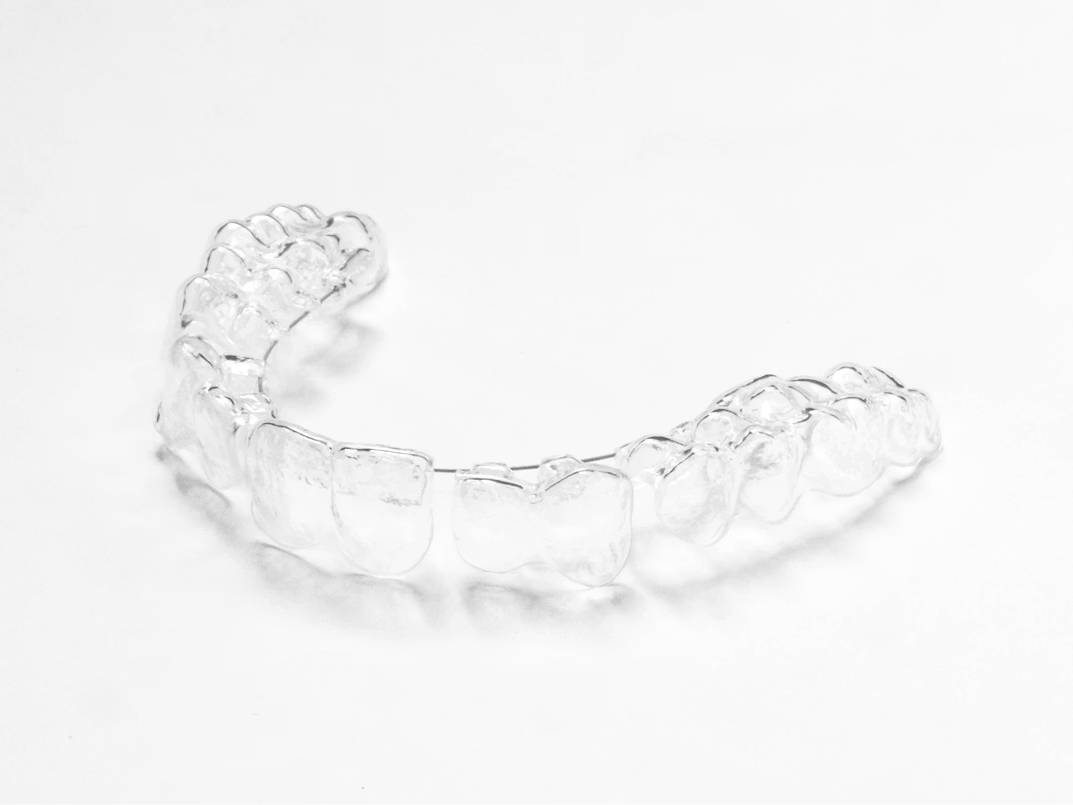
The landscape of teen orthodontics has shifted dramatically in recent years, with the American Association of Orthodontists reporting that nearly 70% of adolescent patients now express a strong preference for clear aligners over traditional metal braces when given the choice. This isn’t simply about vanity — it reflects how modern teenagers navigate an increasingly image-conscious social environment where first impressions happen in milliseconds through social media profiles and video calls. The stakes are particularly high during adolescence, when peer acceptance and self-confidence can shape academic performance, social development, and long-term self-esteem.
What’s driving this preference goes beyond aesthetics. Today’s teenagers are digital natives who value flexibility, convenience, and control over their appearance in ways previous generations never experienced. They’re also more informed consumers, researching treatment options online and arriving at orthodontic consultations with specific questions about comfort, treatment duration, and lifestyle impact. For parents weighing orthodontic options, understanding why teens gravitate toward clear aligners — and whether that preference aligns with clinical effectiveness — has real implications for treatment success and family dynamics over the 12 to 18 months that most orthodontic treatments require.
Why Teens Prefer Clear Aligners Today
The teenage years coincide with peak social awareness, making the psychological component of orthodontic treatment as important as the clinical outcome. Unlike previous generations who accepted metal braces as a rite of passage, today’s teens see orthodontic treatment through the lens of personal branding and social media presence. Every school photo, group selfie, and video call becomes a potential source of self-consciousness when traditional braces are involved.
This shift reflects broader changes in how teenagers communicate and form relationships. With platforms like Instagram, Snapchat, and TikTok dominating social interaction, visual presentation carries unprecedented weight in peer acceptance. The “metal mouth” stigma that many adults remember from their own teenage years hasn’t disappeared — it’s intensified in an environment where appearance-based judgment happens instantly and publicly.
Beyond social media concerns, teens appreciate the element of control that clear aligners provide. They can remove them for important events, sports activities, or even just when they want to feel “normal” for a few hours. This flexibility addresses a key developmental need during adolescence: the desire for autonomy over their own bodies and choices. Traditional braces, by contrast, represent a loss of control — they’re visible, permanent fixtures that can’t be adjusted for special occasions or comfort.
The comfort factor also plays a significant role. Many teenagers report that the smooth plastic of clear aligners feels less intrusive than metal brackets and wires, which can cause cuts inside the mouth and require frequent adjustments. The predictability of aligner treatment — knowing exactly how long the process will take and seeing digital projections of the final result — appeals to teens who want clear timelines and measurable progress toward their goals.
How Clear Aligners Work for Teen Orthodontics
Clear aligner technology operates on the principle of controlled, incremental tooth movement using thermoplastic materials that apply gentle, consistent pressure. Each aligner in the series moves teeth approximately 0.25 millimeters, creating a gradual repositioning process that’s both predictable and comfortable for growing mouths. The treatment begins with detailed digital scans that capture the current tooth positions and map the precise movements needed to achieve proper alignment.
For teenagers, this process typically involves 15 to 25 different aligners worn sequentially, with each set worn for about two weeks. The treatment planning software accounts for the fact that teenage mouths are still developing, allowing for the eruption of wisdom teeth and continued jaw growth that can affect final positioning. This adaptability makes clear aligners particularly suitable for adolescent patients whose oral anatomy isn’t fully mature.
The aligners work most effectively on common teenage orthodontic issues: mild to moderate crowding, spacing problems, and minor bite irregularities. They excel at rotating individual teeth, closing gaps, and making fine adjustments to alignment. The clear plastic material maintains its shape memory while allowing for the flexibility needed to guide teeth into their new positions without the friction and pressure points associated with traditional wire-and-bracket systems.
Treatment monitoring happens through regular check-ins, typically every six to eight weeks, where orthodontists assess progress and provide the next series of aligners. Many practices now use remote monitoring apps that allow teens to submit photos of their progress, reducing the number of office visits required. This technological integration appeals to teenagers who are comfortable with app-based communication and prefer to minimize disruptions to their school and social schedules.
Benefits and Drawbacks Compared to Traditional Braces
Benefits of Clear Aligners for Teens
The most immediate advantage is aesthetic discretion — clear aligners are virtually invisible during normal conversation and social interaction, eliminating the self-consciousness many teenagers experience with traditional braces. This psychological benefit often translates into improved compliance with treatment, as teens are more willing to wear something that doesn’t compromise their appearance.
Oral hygiene represents another significant advantage. Teenagers can remove aligners for thorough brushing and flossing, maintaining their normal dental care routine without navigating around brackets and wires. This removability reduces the risk of white spot lesions and gum inflammation that can occur when food particles and plaque accumulate around fixed appliances. For teens involved in contact sports, aligners can be removed during games, eliminating the need for bulky mouth guards designed to protect against bracket injuries.
The comfort factor extends beyond physical sensation to lifestyle flexibility. Teens can eat whatever they want during meals, removing aligners to enjoy pizza, popcorn, sticky candy, and other foods that are off-limits with traditional braces. This freedom from dietary restrictions is particularly meaningful during adolescence, when social eating experiences — from school lunch to movie theater snacks — play important roles in peer bonding.
Drawbacks and Common Misconceptions
Despite their popularity, clear aligners present specific challenges for teenage patients. The most significant is compliance dependency — aligners only work when worn consistently for 20 to 22 hours per day. Unlike fixed braces that work continuously, removable aligners rely entirely on patient discipline, which can be inconsistent during the teenage years when social pressures and scheduling conflicts arise.
Treatment limitations also exist, particularly for complex orthodontic cases involving severe crowding, significant bite problems, or the need for tooth extraction. While aligner technology continues to advance, traditional braces remain more effective for comprehensive orthodontic treatment that requires precise control over tooth root movement or significant jaw repositioning. Some teens and parents assume that aligners can address any orthodontic issue, leading to disappointment when more complex cases require traditional appliances.
Cost considerations often surprise families, as clear aligner options frequently carry higher price tags than traditional braces, despite potentially shorter treatment times. Insurance coverage varies, and the total investment may include replacement aligners if teens lose or damage their current sets — a common occurrence that can extend treatment duration and increase costs.
Best Practices for Teens Using Clear Aligners
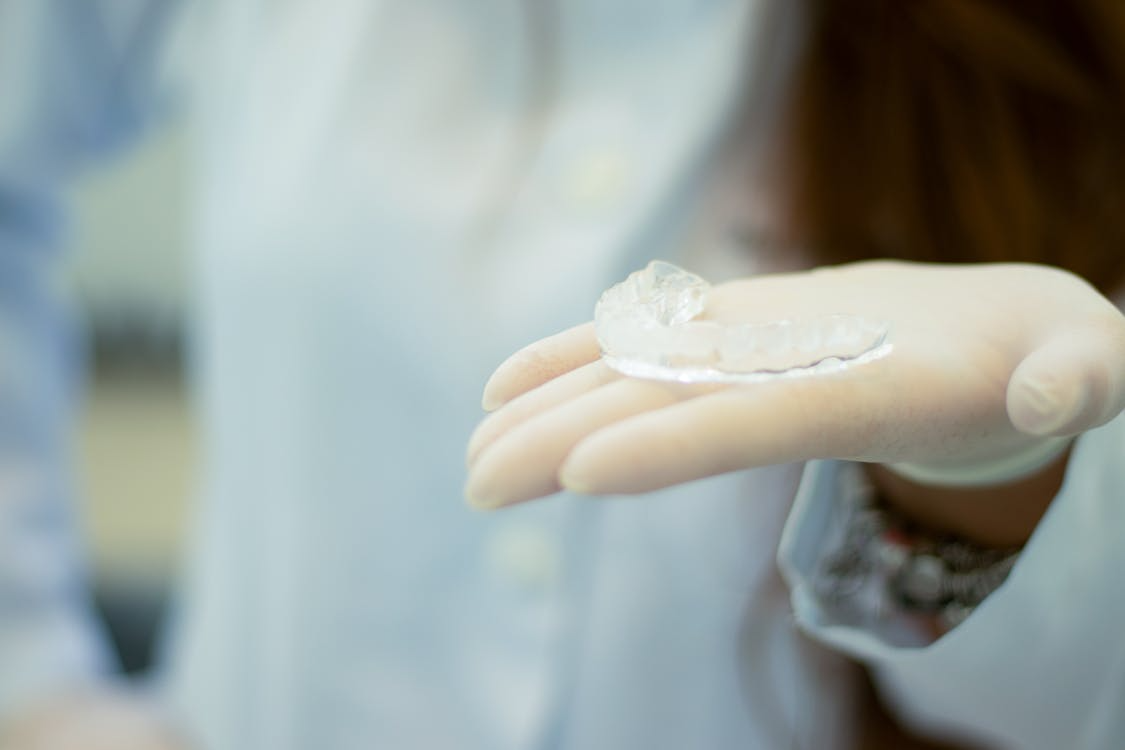
Successful aligner treatment requires establishing daily routines that integrate seamlessly with teenage lifestyles. The most effective approach involves creating specific times for aligner removal and insertion, typically around meal times and bedtime oral care. Teens should remove aligners only when eating, drinking anything other than water, or during brief activities like sports practice, then immediately rinse their mouth and replace the aligners.
Proper maintenance extends beyond wearing time compliance. Aligners require daily cleaning with lukewarm water and a soft toothbrush to prevent bacterial buildup and odor. Many teens benefit from carrying a small travel kit with aligner cases, travel-sized toothbrushes, and floss for situations when they remove aligners away from home. The aligner case becomes crucial — teens who lose aligners by wrapping them in napkins or leaving them on cafeteria trays often face treatment delays and additional costs.
Parents play a supportive role in monitoring compliance without becoming overly controlling. Regular check-ins about treatment progress and gentle reminders about wearing time work better than constant nagging, which can create power struggles. Many families find success using smartphone apps that track wearing time and send discreet reminders, allowing teens to maintain ownership over their treatment while ensuring accountability.
Communication with the orthodontic team becomes essential when problems arise. Teens should report lost aligners, significant discomfort, or concerns about treatment progress immediately rather than hoping issues will resolve themselves. Early intervention can prevent minor problems from becoming major setbacks that extend treatment duration.
Orthodontic Outcomes and Research on Teen Clear Aligners
Clinical research continues to support the effectiveness of clear aligners for appropriate teenage cases, with studies showing comparable outcomes to traditional braces for mild to moderate alignment issues. The key factor in successful treatment remains proper case selection — ensuring that the complexity of the orthodontic problem matches the capabilities of aligner technology.
Long-term stability research indicates that clear aligner results maintain their stability as effectively as traditional braces when patients follow proper retention protocols. This finding addresses common concerns from parents who worry that “easier” treatment might somehow be less permanent. The success of any orthodontic treatment, regardless of method, depends more on post-treatment retention compliance than on the treatment modality itself.
What makes clear aligners particularly promising for teenage patients is the integration of advanced treatment planning software with growing understanding of adolescent psychology and compliance patterns. Orthodontic practices that specialize in teen aligner treatment report success rates exceeding 85% when cases are properly selected and patients receive adequate support throughout the process. The combination of technological precision and age-appropriate treatment protocols continues to expand the range of cases suitable for clear aligner therapy, making this option available to an increasingly broad segment of teenage orthodontic patients.
The evolution of clear aligner materials and treatment protocols suggests that today’s teenagers may represent the first generation to have access to truly invisible orthodontic treatment that delivers results comparable to traditional methods — a development that could reshape how future generations approach orthodontic care and oral health maintenance.
