

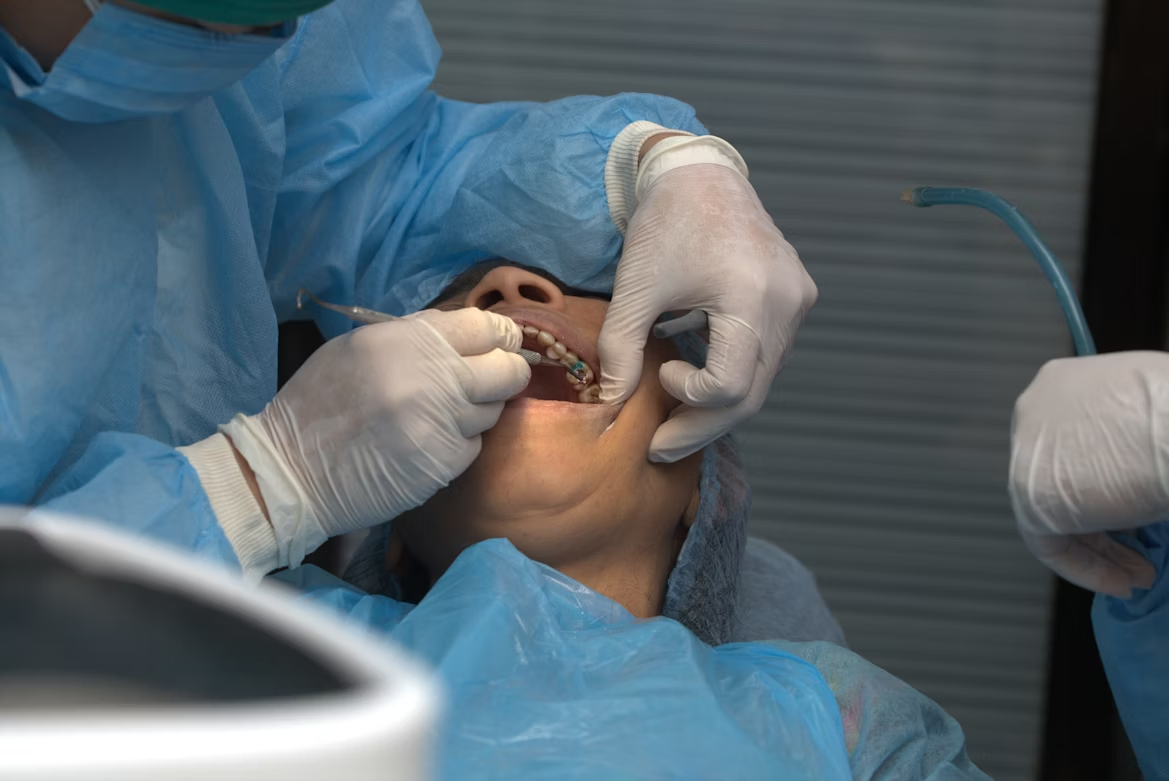
According to the American Dental Association’s 2024 oral health surveillance data, nearly 90% of adults have experienced tooth decay requiring restorative treatment — yet most people discover the true value of these procedures only after experiencing their far-reaching effects. While the dental industry continues to advance with biocompatible materials and precision techniques, the gap between what patients expect from restorative work and what it actually delivers has never been wider.
Most people approach restorative dentistry thinking purely about fixing immediate problems — filling a cavity, replacing a crown, or addressing pain. But the ripple effects extend far beyond oral health into areas like nutrition, social confidence, sleep quality, and even career prospects. As dental materials become more durable and treatment outcomes more predictable, the long-term benefits compound in ways that aren’t immediately obvious.
For anyone facing decisions about dental restoration, understanding these broader implications can shift the entire conversation from “necessary expense” to “strategic investment in multiple areas of well-being.”
How Does Restorative Dentistry Repair Teeth?
Restorative dentistry works by replacing or rebuilding damaged tooth structure using materials that integrate with your natural teeth. Unlike surface-level treatments, restorative procedures address structural problems — decay that has penetrated enamel, fractures that compromise tooth integrity, or complete tooth loss that affects the entire oral system.
The most common procedures target specific types of damage. Composite fillings bond directly to tooth structure, creating a seal that prevents bacteria from reaching deeper layers while restoring the tooth’s original shape for proper chewing. Dental crowns cap severely damaged teeth, distributing bite forces evenly and protecting whatever healthy tooth structure remains underneath. Dental implants replace missing teeth by anchoring artificial roots into the jawbone, which then support crowns that function like natural teeth.
What makes modern restorative work particularly effective is how it preserves surrounding healthy tissue. Take a deep cavity that’s approaching the nerve — a well-executed filling removes only the decayed portion while maintaining the tooth’s structural integrity. This targeted approach means the restoration can last decades while the natural tooth continues functioning normally around it.
The key difference from purely cosmetic work lies in addressing functional problems first. A fractured molar needs structural repair before it can look good, and that structural repair often delivers benefits the patient didn’t expect — like eliminating the chronic low-grade pain they’d grown accustomed to, or restoring their ability to chew tough foods on that side of their mouth.
This foundation of structural repair creates opportunities for improvements that extend well beyond basic tooth function, setting the stage for understanding why restorative dentistry often overlaps with — but differs significantly from — other dental approaches.
What Are the Differences Between Restorative, Preventive, and Cosmetic Dentistry?
The boundaries between these three approaches blur more than most people realize, but understanding their distinct goals helps clarify why restorative work often delivers unexpected benefits. Each addresses different aspects of oral health, though they frequently complement each other in comprehensive treatment plans.
How Preventive and Restorative Dentistry Complement Each Other
Preventive dentistry focuses on stopping problems before they start — routine cleanings, fluoride treatments, sealants, and early detection of issues like gum disease or small cavities. Its success is measured by what doesn’t happen: the cavities that never form, the gum disease that never progresses, the teeth that never require major intervention.
Restorative work picks up where prevention either wasn’t available or didn’t succeed. But here’s what many patients don’t expect: quality restorative treatment actually enhances future prevention efforts. A properly placed crown eliminates the hard-to-clean crevice where a cracked tooth used to harbor bacteria. A well-contoured filling restores smooth surfaces that toothbrush bristles can actually reach effectively.
Consider someone whose back molar had a large, old silver filling that was starting to leak around the edges. The irregular margins created plaque traps that made thorough cleaning nearly impossible, leading to recurring decay around the filling’s borders. Replacing it with a modern composite restoration that’s properly shaped and polished transforms that tooth from a maintenance problem into an asset that’s easy to keep clean long-term.
Key Differences Between Restorative and Cosmetic Dentistry
Cosmetic dentistry primarily addresses aesthetic concerns — whitening, veneers for perfectly shaped front teeth, or minor adjustments to improve smile appearance. While these treatments can boost confidence significantly, they typically work with healthy tooth structure to enhance what’s already functional.
Restorative procedures, by contrast, must solve structural or functional problems first. But solving those problems often produces dramatic cosmetic improvements as an added benefit. A front tooth that’s been darkened by an old root canal treatment needs a crown for structural reasons — to protect the weakened tooth from fracturing. The fact that the new crown can be made to match surrounding teeth perfectly is a bonus that addresses both function and appearance simultaneously.
This dual benefit explains why many patients report being surprised by how much better they look after restorative treatment they’d approached purely from a functional standpoint. The materials and techniques required to restore proper tooth function in 2024 are sophisticated enough to deliver aesthetic results that rival purely cosmetic procedures.
The sophistication of these modern materials represents one of the most significant advances in restorative dentistry — and a key reason why today’s restorative outcomes exceed what previous generations could achieve.
Why Do Modern Materials Matter in Restorative Dentistry?

The materials revolution in dentistry has fundamentally changed what’s possible with restorative treatment. While older restorations focused primarily on durability — often sacrificing aesthetics, comfort, or biocompatibility — today’s materials achieve multiple goals simultaneously.
Advantages of Biocompatible and Durable Materials
Composite resins have evolved far beyond the early versions that were prone to staining and wear. Modern composites contain nanoparticles that provide strength approaching that of natural tooth enamel while maintaining the ability to bond chemically to tooth structure. This chemical bond creates a seal that prevents bacteria infiltration — something mechanical retention alone couldn’t achieve.
Ceramic materials for crowns and larger restorations now match the light-transmission properties of natural teeth while withstanding bite forces that would fracture older porcelain. More importantly, these ceramics are chemically inert, meaning they don’t trigger inflammatory responses in gum tissue. Patients often report that their gums look healthier around new ceramic restorations compared to older metal-based crowns.
The biocompatibility factor extends beyond avoiding negative reactions. Modern dental implants use titanium alloys that actually encourage bone integration, creating anchors that become stronger over time rather than loosening. This means implant-supported teeth can function at nearly the same level as natural teeth for decades, rather than serving as temporary solutions.
How Material Choices Affect Longevity and Success
The longevity advantage of modern materials compounds over time in ways that aren’t immediately obvious. A composite filling placed with current techniques and materials typically lasts 12-15 years in back teeth, compared to 6-8 years for older composite formulations. But the real benefit lies in what happens when replacement eventually becomes necessary.
Because modern composites bond to tooth structure rather than requiring mechanical retention, less healthy tooth material needs to be removed during placement. When replacement becomes necessary years later, there’s still substantial healthy tooth structure remaining — often enough to support another composite restoration rather than requiring a crown.
Quality zirconia crowns demonstrate similar long-term thinking. Their exceptional durability means they rarely fracture, but their key advantage is how they interact with gum tissue over decades. Unlike older crown materials that could cause gum recession or inflammation, zirconia maintains healthy gum contours that make long-term maintenance more predictable.
This material sophistication creates treatment outcomes that exceed what clinical studies alone can demonstrate — leading to patient experiences that often surprise both dentists and patients with their scope and durability.
What Does Research Say About Restorative Dentistry Benefits?
Clinical research on restorative dentistry reveals success rates and long-term outcomes that consistently exceed patient expectations, particularly for treatments completed within the last decade. The data shows that modern restorative techniques don’t just fix immediate problems — they create lasting improvements that compound over time.
Dental implant success rates provide the most robust long-term data. According to the International Congress of Oral Implantologists’ 2023 review, properly placed implants demonstrate 95-98% survival rates at 10 years, with function that’s essentially indistinguishable from natural teeth. But the unexpected finding is how implants affect adjacent teeth: patients with implant-supported restorations show significantly lower rates of decay and gum disease in neighboring teeth compared to those with partial dentures or bridges.
Composite restoration longevity studies reveal similar patterns of exceeding expectations. Research published in the Journal of Dentistry (2024) tracked composite fillings placed with current bonding techniques over 15 years. Beyond the expected durability improvements, patients reported sustained improvements in comfort, chewing efficiency, and ease of cleaning around restored teeth. The study found that 78% of patients who’d avoided certain foods due to tooth sensitivity or discomfort returned to normal eating patterns within six months of treatment.
Perhaps most significantly, longitudinal studies on crown and bridge outcomes demonstrate how quality restorative work creates positive cascading effects. Patients who receive comprehensive restorative treatment show measurably better oral health maintenance over subsequent years, with lower rates of new decay and gum problems. The theory is that functional, comfortable teeth encourage more consistent oral hygiene and regular dental visits.
The psychological benefits show up consistently in patient-reported outcome measures. Multiple studies document improvements in social confidence, professional interactions, and willingness to smile or speak publicly following restorative treatment — even when patients initially sought treatment purely for functional reasons. These quality-of-life improvements persist and often increase over the first two years following treatment completion.
What’s particularly striking is how these research findings align with patient testimonials about unexpected benefits — suggesting that the broader impacts of restorative dentistry are genuine and measurable, not just subjective impressions.
How Does Restorative Dentistry Improve Overall Quality of Life?
The quality-of-life improvements from restorative dental work extend into areas most patients don’t anticipate when they first seek treatment. While the immediate goals focus on eliminating pain or restoring basic function, the downstream effects touch everything from nutrition and sleep to career prospects and social relationships.
Nutritional impacts often surprise patients the most. Someone who’s been avoiding fresh fruits, nuts, or raw vegetables due to tooth sensitivity or missing teeth doesn’t immediately connect their limited diet to energy levels or digestive health. Restoring full chewing function allows for more varied nutrition, which many patients notice within weeks as improved energy and better digestion. The ability to eat crunchy, fiber-rich foods also supports better oral health by naturally cleaning teeth during meals.
Sleep quality improvements represent another unexpected benefit. Teeth that are properly aligned and functional reduce jaw muscle tension and eliminate the unconscious compensatory movements that develop around painful or missing teeth. Patients frequently report sleeping better after major restorative work, though they rarely mention sleep problems during initial consultations. Professional dental restoration services often incorporate bite alignment analysis specifically because of these broader functional relationships.
Social and professional confidence changes can be dramatic, even when treatment addresses back teeth that aren’t visible when smiling. The psychological impact of knowing you can eat anything, speak clearly, and smile without self-consciousness affects behavior in subtle but measurable ways. Many patients report being more outgoing in social situations, more willing to participate in work discussions, or more comfortable during close conversations.
The cumulative effect of these improvements often exceeds what patients expected from addressing their original dental problem. Six months after completing restorative treatment, many people describe feeling like they’ve regained capabilities they didn’t realize they’d lost — a reminder that oral health connects to overall well-being in ways that become apparent only when the connections are restored.
For anyone considering restorative dental work, the question isn’t just whether the treatment will solve the immediate problem, but how addressing that problem might unlock improvements in areas of life that seem completely unrelated to dentistry. The research suggests those broader benefits are not just possible, but probable.
