

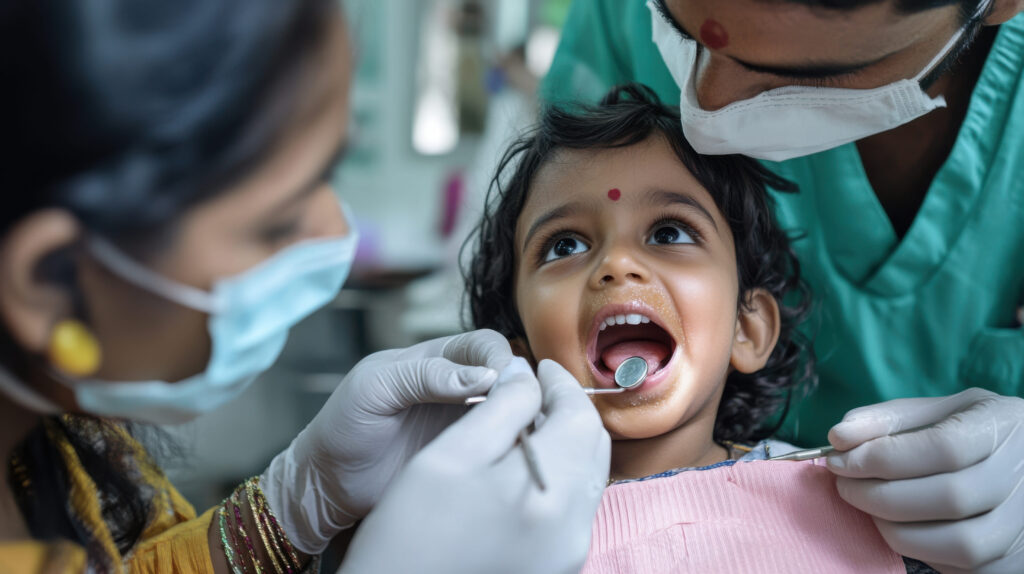
Dental anxiety in children is common, and it can establish patterns that persist into adulthood if not addressed early. The good news is that with the right approach at home and the right paediatric dentist, most children can learn to associate dental visits with routine care rather than fear. The oral health habits formed in early childhood have long-term consequences, making this investment genuinely worthwhile.
Why Children Fear the Dentist
Dental anxiety in children usually stems from unfamiliarity, fear of pain, or a previous negative experience. The sounds of dental equipment, the clinical smell of a dental room, and the feeling of lying back while someone works in one’s mouth all contribute to discomfort. A pediatric dentist with specialised training in managing child behaviour understands these triggers and uses evidence-based techniques to systematically reduce them.
Start Early and Keep Visits Consistent
The first dental visit is recommended by the time a child’s first tooth appears, or by their first birthday. These early visits are not just about checking teeth but about familiarising the child with the environment, the chair, and the dental team. Consistency matters. Children who attend regularly from a young age are far less likely to develop significant anxiety than those who only go when something is wrong.
How to Prepare Your Child at Home
- Use positive language: Avoid phrases like ‘it won’t hurt’, which prime the child to expect pain. Instead, describe the visit as a check-up to keep teeth strong and healthy.
- Read books about dental visits: A number of children’s books and videos feature characters having positive dental experiences. These normalise the process in a child’s mind before they arrive.
- Role-play at home: Let the child be the dentist and examine your teeth, then swap roles. Familiarity with the examination format reduces novelty-related anxiety.
- Never use the dentist as a threat: Phrases like ‘if you don’t brush, the dentist will pull your teeth out’ create lasting negative associations that are difficult to undo.
What a Child-Friendly Dental Clinic Looks Like
The physical environment of the dental clinic significantly influences how a child responds. Clinics designed for young patients often have colourful waiting areas, child-sized equipment, distraction tools such as ceiling-mounted screens, and staff trained in paediatric communication. The paediatric dentist will typically use a tell-show-do approach: explaining each step in child-friendly language, demonstrating first, and only then proceeding. Hospitals like Rainbow Hospitals have developed child-friendly clinical environments specifically to reduce procedural anxiety, where the space and staff manners are calibrated to work with young patients.
Sedation and Comfort Options
For children with significant dental anxiety, past trauma, or complex treatment needs, sedation dentistry offers a way to complete necessary treatment safely and without distress. Options include nitrous oxide for mild anxiety and general anaesthesia for more extensive procedures. Rainbow Hospitals’ paediatric dental team uses structured sedation protocols reviewed by paediatric anaesthesiologists, ensuring both effectiveness and safety for children who cannot be managed with standard behaviour management alone.
The Role of a Child Psychologist in Dental Anxiety
In cases where dental fear is severe and connected to broader anxiety, a child psychologist may be involved alongside the paediatric dentist. Cognitive behavioural techniques and gradual desensitisation can make a significant difference. This is particularly relevant for children who have had traumatic dental experiences or who have neurodevelopmental conditions that make clinical environments more challenging.
Conclusion
Making dental visits stress-free for a child is an investment in their long-term oral health and their relationship with healthcare in general. Starting early, using the right language, choosing a paediatric dentist experienced in behaviour management, and selecting a child-centred clinical environment all contribute to a better experience. With consistency and the right support, most children can develop a calm and cooperative approach to dental care that serves them well throughout life.
Building Good Oral Hygiene Habits at Home
A stress-free dental visit works best when combined with a consistent home routine. Children who brush twice daily from the appearance of the first tooth, use age-appropriate fluoride toothpaste, and limit sugary drinks and snacks between meals are far less likely to present with significant decay. Thepediatric dentistplays an important role in reinforcing these habits, but the behaviour established at home underpins everything.
Parents who supervise brushing until at least age eight help ensure technique and coverage are adequate. Electric toothbrushes designed for children can increase engagement and effectiveness for those who resist manual brushing. Flossing once teeth begin to touch adds another layer of protection. These simple habits, maintained consistently, lead to fewer clinic interventions and a child who associates oral health with control rather than fear.
Disclaimer
This content is for general informational purposes only. Please consult a qualified paediatric dentist for guidance on your child’s dental health and any concerns about dental anxiety.
