

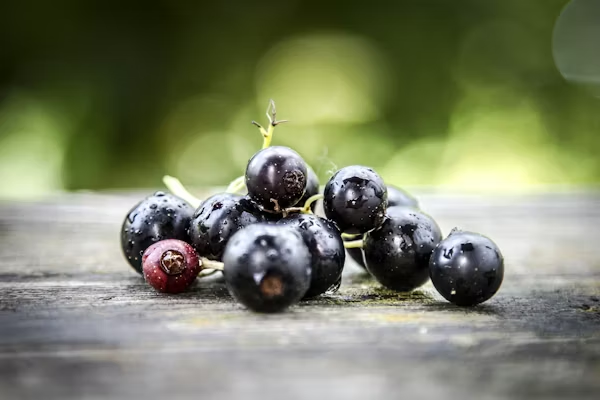
Walk through any farmers market in late summer and you’ll notice something interesting. The most striking produce isn’t the bright red tomatoes or the sunshine yellow corn. It’s the deep purples and rich indigos. Blackberries, eggplants, purple carrots, and stone fruits with that almost black, glossy skin.
These foods have been quietly building a reputation among nutrition researchers. And for good reason. The pigments that give them their dramatic colour are doing remarkable things inside the human body.
For decades, blueberries held the spotlight as the go to superfruit. They earned it honestly. Packed with antioxidants, easy to toss into smoothies or salads.
But research has moved on. Scientists are paying closer attention to fruits with even higher concentrations of those purple pigments, called anthocyanins. Some of these fruits make blueberries look modest by comparison.
What Anthocyanins Actually Do
Anthocyanins belong to a class of compounds called flavonoids. They’re water soluble pigments that plants produce as a defence mechanism. Protection from UV damage, environmental stress, and pests.
When we eat foods rich in these compounds, we borrow some of that protective power.
Inside the body, anthocyanins behave as potent antioxidants. They neutralise free radicals, those unstable molecules that contribute to oxidative stress and, eventually, chronic inflammation.
Chronic inflammation isn’t just an abstract concept. It sits at the root of many modern health issues. Heart disease, joint problems, cognitive decline. Reducing that daily inflammatory load matters more than most people realise.
Research has also linked anthocyanin consumption to improved blood vessel function, better insulin sensitivity, and sharper cognitive performance in older adults. Heart health gets particular attention. Some studies suggest these compounds may help lower blood pressure and improve cholesterol profiles.
The Problem with Modern Diets
Here’s the uncomfortable truth. Most people consume nowhere near the amount of antioxidants their bodies would benefit from.
The standard diet leans heavily on refined carbohydrates, processed oils, and convenience foods. Even people who consider themselves health conscious often fall into repetitive patterns. The same handful of vegetables and fruits, week after week.
Variety matters when it comes to plant compounds. Different colours signal different phytonutrients. Each works in slightly different ways.
A diet built around lettuce, bananas, and apples isn’t bad. But it leaves a lot of nutritional opportunities on the table.
There’s also the issue of soil and growing practices. Modern agriculture is efficient at producing volume, but the nutrient density of many common crops has dropped compared to generations past. So even when people eat their fruits and vegetables, they may not get quite the same payoff their grandparents did.
A Standout Among Stone Fruits
Among the deeply pigmented foods catching researchers’ attention, one variety of plum has emerged as particularly noteworthy.
Developed through traditional cross breeding rather than genetic modification, this cultivar contains anthocyanin levels several times higher than typical plums. The result is a fruit so darkly pigmented that even the flesh, not just the skin, takes on that deep purple hue.
The science behind it is what makes it interesting. Multiple clinical studies have examined its effects on inflammation markers, blood pressure, and gut health.
The concentrated form, often available as a queen garnet plum supplement, has become a popular way for people to access these compounds consistently. Particularly during seasons when fresh fruit isn’t on shelves. For anyone who struggles to eat enough variety of dark fruits daily, a concentrated source can help bridge the gap.
What sets this cultivar apart from supplements making similar claims is the actual research conducted on the fruit itself. Researchers looked at this specific variety and measured outcomes. That kind of targeted investigation is rare in the functional foods world, where marketing usually outpaces the science.
Building Better Habits Without Overhauling Your Life
People often approach nutrition with an all or nothing mentality. They go from eating poorly to attempting a complete dietary transformation. It usually fails within a few weeks.
A more sustainable approach involves small, consistent additions rather than dramatic overhauls.
Start by adding rather than subtracting. Instead of focusing on what you can’t eat, add one new colourful food to your routine each week. This week, purple cabbage in your sandwich. Next week, dark cherries with breakfast. The week after, pomegranate seeds on yoghurt.
Over a few months, these small additions compound into a genuinely diverse eating pattern.
Timing plays a role too. Eating anthocyanin rich foods alongside meals containing some fat can improve absorption of fat soluble nutrients. Dark berries with full fat Greek yoghurt. Sliced plums with a meal that includes olive oil or nuts. It makes biological sense.
Hydration matters as well. The body’s ability to process plant compounds depends partly on adequate water intake. People who are chronically under hydrated may not get the full benefit from even an excellent diet.
The Gut Connection
One of the most exciting areas of recent nutrition research involves the gut microbiome. The bacteria living in your digestive tract influence immune function, mood, weight regulation, and a lot more.
As it turns out, anthocyanins play a meaningful role in feeding the beneficial bacteria that keep this ecosystem balanced.
When you eat anthocyanin rich foods, only a small percentage gets absorbed in the small intestine. The rest travels down to the colon, where gut bacteria break them down into smaller metabolites. These metabolites then exert additional effects throughout the body.
This is why fermented and prebiotic foods work so well alongside polyphenol rich foods. They support the bacteria that help you extract maximum benefit from what you eat.
The gut connection also explains why dietary changes often take time to show results. You’re not just changing what you eat. You’re gradually shifting the entire bacterial community in your digestive system. Studies suggest this can take anywhere from a few weeks to several months. Patience matters.
Movement, Sleep, and the Bigger Picture
No single food exists in isolation from the rest of your lifestyle. The benefits of any nutritional choice are amplified or diminished by sleep quality, physical activity, stress, and social connection.
This isn’t a reason to dismiss what you eat. It’s a reminder that diet is one important pillar among several.
Regular movement, even modest amounts, dramatically affects how your body uses the nutrients you consume. Exercise improves insulin sensitivity, enhances circulation, and supports the cardiovascular system in ways that complement a polyphenol rich diet. You don’t need to become an athlete. Brisk walking for thirty minutes most days has real, measurable benefits.
Sleep deserves more attention than it usually gets in nutrition conversations. Poor sleep disrupts hunger hormones, increases inflammation, and impairs recovery. You can eat an impeccable diet, but if you’re sleeping five hours a night, you’re working against yourself.
Stress management ties everything together. Chronic stress elevates cortisol, which over time contributes to inflammation, blood sugar issues, and stubborn fat accumulation. Meditation, time outdoors, hobbies, meaningful relationships. Any sustainable approach helps.
Practical Strategies for Daily Use
For anyone wanting to actually put this into practice, a few concrete strategies work well.
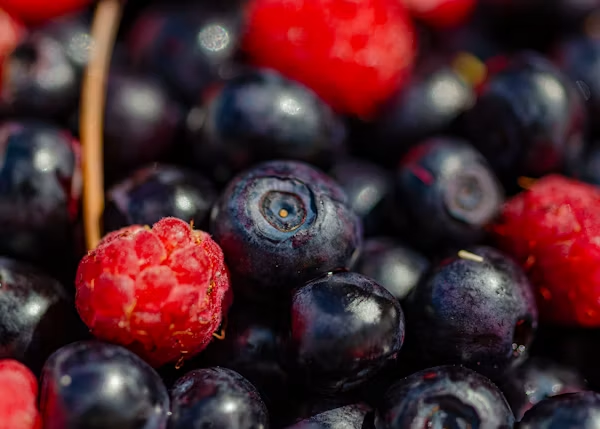
Keep frozen dark berries on hand. They’re often more affordable than fresh, they last for months, and they’re picked at peak ripeness which means peak nutrient content. Toss them into smoothies, oatmeal, or yoghurt without any preparation.
Experiment with darker vegetable varieties. Purple sweet potatoes, black rice, red cabbage, dark leafy greens like Tuscan kale. Each brings different compounds to the table. Many are inexpensive and store well.
Be careful with cooking methods. Some cooking actually increases the bioavailability of certain compounds, but prolonged high heat tends to degrade anthocyanins. Gentle steaming, brief sautéing, or eating these foods raw when appropriate preserves more of their benefits.
Consider how you store your produce too. Anthocyanins continue to degrade after harvest, particularly in light and heat. Cool, dark storage and reasonably quick consumption maximises what you actually absorb.
The Long Game
Nutrition isn’t about perfection. It’s not about miracle foods either. It’s about consistent patterns sustained over years and decades.
The person who eats reasonably well most days for thirty years will see vastly better outcomes than someone who does intense cleanses occasionally while otherwise eating poorly.
The compounds in deeply pigmented foods, including those abundant in dark plums, berries, and certain root vegetables, represent one piece of a larger puzzle. They’re not magical. But they are genuinely beneficial when consumed regularly as part of a varied diet.
What’s already clear is that human bodies thrive on dietary variety, on colour, on whole foods that haven’t been excessively processed. The traditional eating patterns of long lived populations around the world all share this characteristic. Whether based on fish, vegetables, grains, or fruits, variety and minimal processing show up consistently.
Final Thoughts
The growing interest in anthocyanin rich foods reflects something positive in the broader health conversation. People are recognising that what they eat genuinely matters. Not as a moral issue, but as a practical one.
The choices made at breakfast, lunch, and dinner accumulate into the substance of your future health.
Starting points matter less than continuation. If reading about dark fruits inspires you to grab a handful of blackberries instead of biscuits this afternoon, that’s a win. If it pushes you to explore concentrated forms of these compounds during off seasons, that’s also reasonable. If you simply become more mindful about including a wider range of colours on your plate, you’ve made meaningful progress.
The deepest purples on your plate are quietly working in your favour. Pay attention to them. Make space for them in your routine. Let consistency do its slow but reliable work.
