

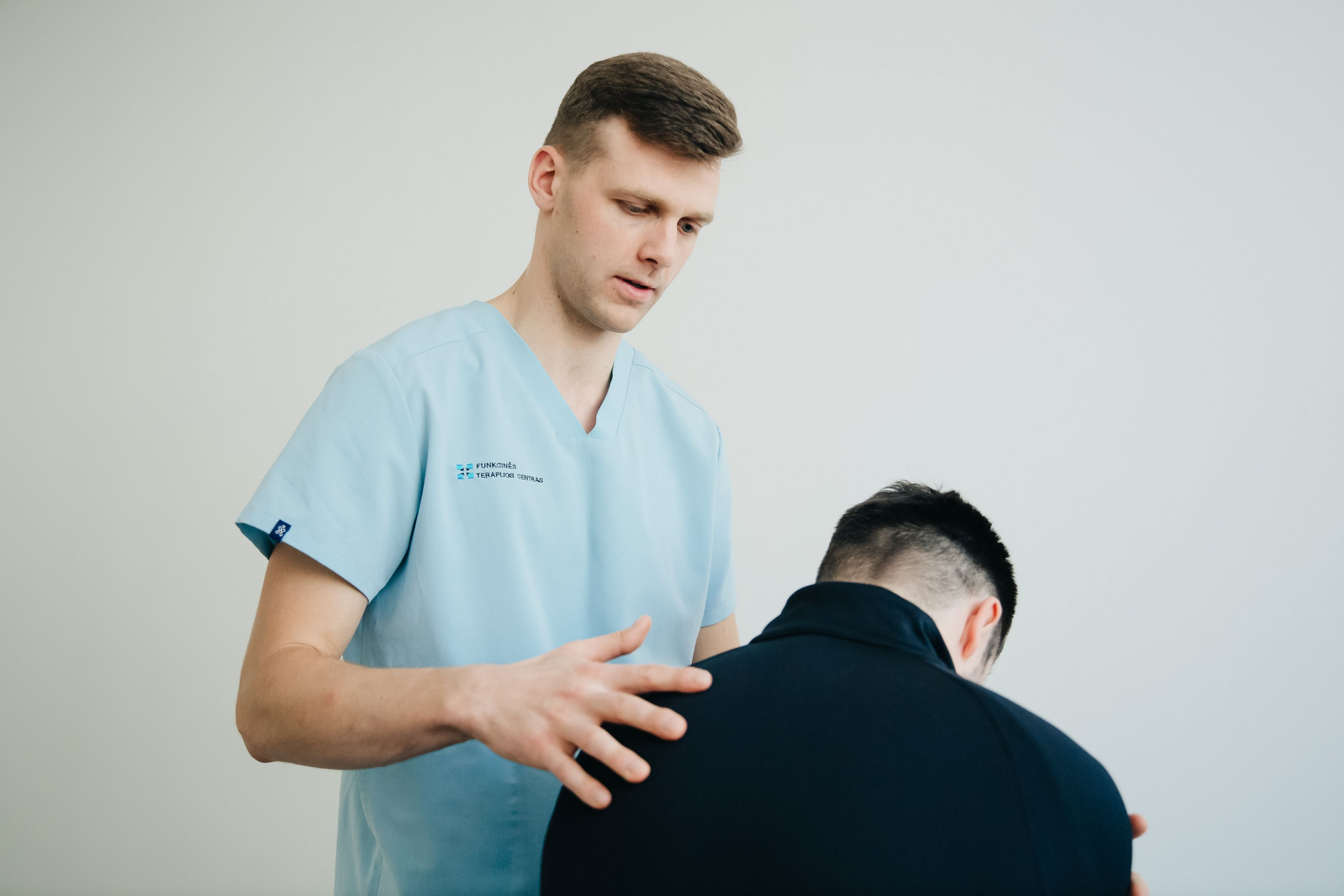
Minor strains, sprains, and related injuries can affect mobility and daily routines if not managed properly. While many of these injuries improve with time, taking the right steps during recovery can support the healing process. It may also help restore mobility, reduce discomfort, and lower the risk of future problems.
Professional guidance may also be beneficial when symptoms persist or interfere with normal movement. The good thing is that professionals are easily accessible. For example, Indeed reports that chiropractors in Denver earn an average salary of $90,816 per year, which is comparable to the national average. This can make access to the best chiropractor in Denver, CO, a reasonably attainable option for individuals seeking personalized support during recovery.
Understanding effective recovery strategies can help promote a safer return to everyday activities.
Prioritize Early Rest Without Prolonged Inactivity
After a minor musculoskeletal injury, short-term rest helps reduce pain and limit further tissue irritation. Allowing the affected area time to recover can support the body’s natural healing process. Avoiding strenuous activities during the initial stage is often beneficial.
However, extended inactivity may contribute to stiffness, weakness, and reduced mobility. Gentle movement, when appropriate, can help maintain flexibility and circulation. Gradually returning to normal activities supports recovery while minimizing the risk of reinjury.
According to NHS guidance, sprains and strains should be managed during the first 2–3 days using Protection, Rest, Ice, Compression, and Elevation (PRICE). These measures help reduce swelling, support healing, and protect the injured area. While early rest is important, movement should gradually resume as pain improves to prevent stiffness and loss of mobility.
Seek Appropriate Professional Guidance When Needed
While many minor musculoskeletal injuries improve with self-care, some situations require professional evaluation. Persistent pain, significant swelling, difficulty bearing weight, or limited movement may indicate a more serious problem.
Medical experts analyze injuries to recommend appropriate recovery plans. They also monitor recovery progress to ensure proper healing. Prompt professional guidance helps avoid medical complications, ensuring a safer return to normal activities.
Governor’s Park Chiropractic suggests that chiropractic care, acupuncture, massage therapy, rehabilitation therapy, spinal decompression, and custom orthotics require professional supervision. These treatments require proper assessment, specialized skills, and proper techniques. Attempting them without qualified guidance may increase the risk of injury, complications, or delayed recovery.
Use Ice, Compression, and Elevation Strategically
Ice, compression, and elevation can help manage swelling and discomfort after a minor musculoskeletal injury. Applying ice at regular intervals may reduce inflammation during the early recovery stage. Wrapping injuries gently offers support, whereas lifting them aids essential fluid drainage. Used together, these strategies can promote comfort and support the healing process.
According to OrthoInfo, resting the injured area and avoiding aggravating activities helps protect healing tissues. The organization also recommends applying ice for 20 minutes several times daily, using an elastic compression bandage, and elevating the injury above heart level. Together, these measures help reduce swelling and discomfort, and support recovery.
Reintroduce Movement Gradually
As pain and swelling begin to improve, gentle movement can be gradually reintroduced. Starting with light, controlled activities helps restore flexibility and joint function. Sudden return to intense exercise may increase the risk of reinjury. Progressing slowly allows the injured tissues to adapt and recover more effectively.
Addressing a LinkedIn article, integrative counsellor Jamie Leeper emphasized that recovery and return-to-work progress should never be rushed. He noted that “recovery isn’t linear.” Further, he explained that employees benefit from gradual reintegration rather than immediate full-capacity expectations.
This perspective aligns with injury recovery recommendations that encourage slowly reintroducing movement and activity as healing progresses.
Support Healing Through Proper Nutrition and Hydration
Proper nutrition fuels the body’s natural repair mechanisms. Protein-rich foods help rebuild damaged tissues effectively. Vitamins and minerals, especially vitamin C and zinc, accelerate wound healing.
Staying hydrated ensures oxygen and nutrients reach injured areas efficiently. Dehydration slows recovery and increases fatigue. Consuming a balanced diet alongside proper hydration is fundamentally crucial for maximizing recovery.
A study published by the National Institutes of Health links omega-3 fatty acids and specific amino acids to enhance wound healing and immune function. Vitamins A, B, and C, along with zinc, positively influence recovery stages. Meanwhile, polyphenolic compounds offer beneficial anti-inflammatory effects.
Focus on Preventing Future Injuries
Recovering from a minor musculoskeletal injury offers a chance to identify and address habits, movements, or conditions that contributed to it. Paying attention to proper body mechanics, posture, and movement techniques can help reduce unnecessary strain on muscles and joints. Consistent strength and flexibility workouts enhance joint stability while boosting overall physical resilience.
Wearing appropriate footwear and using proper equipment during sports or physical activities may further lower the risk of future injuries. It is also important to increase activity levels gradually rather than making sudden changes to exercise intensity. Taking preventive measures can promote long-term musculoskeletal health and help maintain an active lifestyle.
Frequently Asked Questions
What signs indicate an injury may be more serious than expected?
An injury may be more serious if pain persists, worsens, or does not improve with rest. Significant swelling, bruising, visible deformity, or difficulty bearing weight are important warning signs. Numbness, tingling, weakness, or restricted movement may also require medical attention.
What is the difference between soreness and injury pain?
Soreness typically develops gradually after exercise or physical activity and tends to improve within a few days. Injury pain is often sharper, more intense, or felt suddenly during movement. Unlike soreness, it may worsen with activity and interfere with normal daily function.
What activities should be avoided during recovery?
Activities that cause pain or place excessive stress on the injured area should be avoided during recovery. High-impact exercise, heavy lifting, intense sports, and repetitive movements may interfere with healing. Prematurely resuming full physical activity risks triggering a reinjury and delaying overall recovery.
Key Statistics From the Article
| Context / Insight | Statistic |
| Average annual salary of chiropractors in Denver, reflecting accessibility of professional musculoskeletal care | $90,816 per year |
| Recommended initial period for PRICE therapy after a sprain or strain | 2–3 days |
| Suggested duration for applying ice several times daily to reduce swelling and inflammation during early recovery | 20 minutes per session |
| Critical early phase for managing sprains and strains to control pain and support initial healing | First 2–3 days |
Supporting a Safe and Successful Recovery
Recovering from a minor musculoskeletal injury requires a balanced approach that supports healing while maintaining mobility and overall health. Early rest, gradual movement, proper nutrition, and appropriate self-care strategies can all contribute to a smoother recovery process. Recognizing when professional guidance is needed helps prevent complications and promotes better outcomes.
By taking preventive measures and listening to the body’s signals, individuals can reduce the risk of future injuries. Consistent, informed recovery habits support long-term musculoskeletal health and a safe return to daily activities.
