

Cannabis is now a serious topic in clinical conversations, not a fringe one. Patients ask about it for pain, sleep, and nausea, and clinicians increasingly have to answer. The science is still maturing, but the practical questions are immediate. Most patients are not chasing a high; they want relief they can rely on.
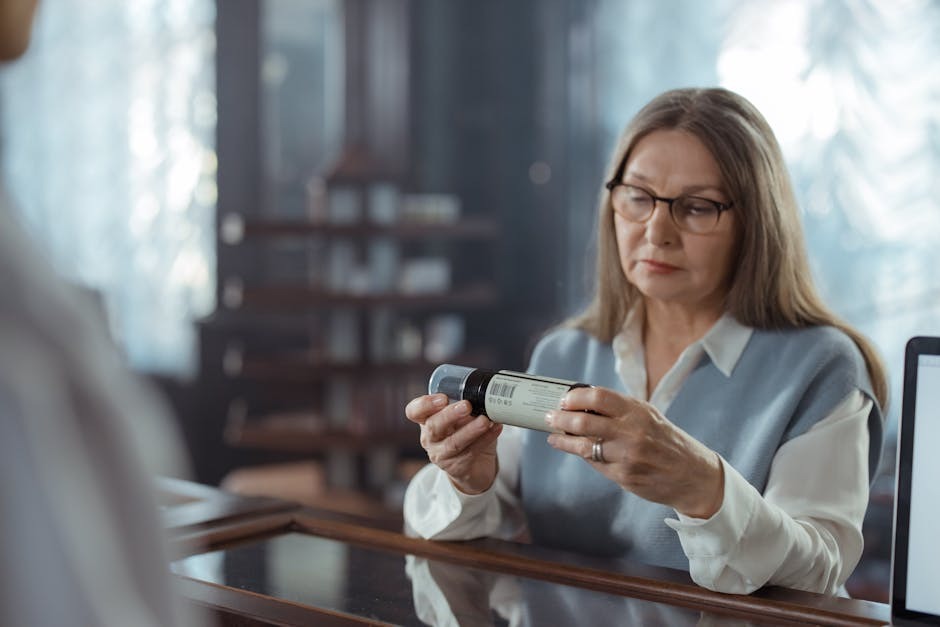
Photo by cottonbro studio on Pexels
Alt text: Labeled medical cannabis products in a clinical setting
For patients, the source matters as much as the substance. The safer route is to Buy Weed Online Canada from a licensed retailer, where every product is tested, labeled, and traceable. Vancouver operators now ship that regulated supply across the country. This piece looks at what medical users should understand before they do.
Why Does Product Quality Matter Clinically?
Product quality matters because dose and consistency are the whole game in medicine. An unregulated product with unknown potency makes any therapeutic use a guess. A tested, labeled product turns that guess into something closer to a plan.
Two grams of an unknown product are not two doses of anything. Without a tested label, even an experienced user is improvising. Quality is not a luxury here; it is the precondition for using cannabis as medicine at all.
The active compounds are the reason. Understanding a compound’s mechanism of action is basic pharmacology, and cannabis is no different. THC and CBD act on the body in distinct ways, and the ratio between them shapes the effect.
The evidence is still developing, with real promise and real gaps. For a clinical overview of cannabinoids in supportive care, including their limits, patients can read the National Cancer Institute’s cannabis review. Reading the science honestly means accepting both sides of it.
What Should a Patient Check On the Label?
A label is the closest thing to a prescription this product offers. A patient should read it the same way:
- THC percentage, the main psychoactive compound, by dose.
- CBD percentage, often non-intoxicating, used differently.
- The ratio of the two, which drives the overall effect.
- Serving size, especially for edibles and oils.
- Batch and testing, the mark of a regulated product.
- Expiry and storage, which affect potency over time.
Each figure exists for a clinical reason. A patient who reads them is far less likely to take too much or too little. A clinician can use those same numbers to guide a sensible starting point. The label, in effect, becomes a shared language between patient and provider.
How Is Regulated Cannabis Different?
Regulated cannabis differs from the illicit kind in one decisive way: accountability. A licensed product is tested for contaminants, labeled for potency, and traceable to a batch. None of that exists in the unregulated market, where a label, if any, means little. For a patient managing a real condition, that gap is not academic. An inconsistent dose can mean a bad day or a missed window of relief.
That structure is not cosmetic. The same care that goes into product formulation in pharmacy is what makes a dose repeatable. Consistency is the difference between a medicine and a gamble.
Access is tracked, too. Health Canada’s medical cannabis data follows how registered patients obtain regulated product through licensed channels. For a patient, that paper trail is a feature, not a hassle.
What Should Patients Discuss With a Clinician?
Cannabis interacts with real medicine, so the conversation matters:
- Current medications: cannabinoids can interact with several drugs.
- The goal: pain, sleep, and nausea call for different approaches.
- The format: inhaled, oil, and edible act on very different timelines.
- The starting dose: low and slow remains the safest rule.
- Existing conditions: heart, lung, and mental health history all matter.

Photo by cottonbro studio on Pexels
Alt text: A pharmacist discussing medication with a patient
A clinician cannot advise well without the full picture. Bringing the actual product label to the appointment makes that conversation far more useful. Self-directed use without that input is where many problems start. A short conversation upfront prevents the avoidable ones.
Key Points for Patients
- Product quality and consistent dosing are what make therapeutic use possible.
- THC, CBD, and their ratio determine the effect, so the label is essential.
- Regulated product is tested, labeled, and traceable; illicit product is not.
- Cannabis can interact with prescription medications.
- Start low, go slow, and involve a clinician in the decision.
Buying With Care
Medical cannabis rewards the same care a patient would give any medication: a known dose, a trusted source, and a clinician in the loop. Regulation exists so that the product in hand matches the label on it. From a Vancouver dispensary to a patient in another province, that tested, traceable supply is what makes informed use possible. The plant may be ancient, but treating it like medicine is a recent and welcome discipline.
Frequently Asked Questions
Is Medical Cannabis the Same as Recreational Cannabis?
The plant is the same, but the framework differs. Medical use is guided by a clinical goal, careful dosing, and ideally a clinician’s input, while recreational use is not. The regulated product can overlap, but a medical user focuses on consistent potency and known effects rather than simply the experience.
Why Does Buying From a Licensed Source Matter?
Because only a licensed source guarantees testing and accurate labeling. A regulated product is screened for contaminants and lists its potency, so a patient knows what they are taking. The unregulated market offers no such assurance, which makes safe, consistent dosing nearly impossible to achieve.
Can Cannabis Interact With My Medications?
Yes. Cannabinoids can interact with several common medications, sometimes increasing or reducing their effect. This is why patients should tell their clinician about any cannabis use and review their current prescriptions. The interaction risk is a real clinical concern, not a theoretical one, especially at higher doses.
How Should a New Patient Start?
Start with the lowest reasonable dose and increase slowly, especially with edibles, which act slowly and last longer. Read the label, note how you respond, and adjust gradually. Involving a clinician early helps match the product and dose to your goal while accounting for your medical history.
