

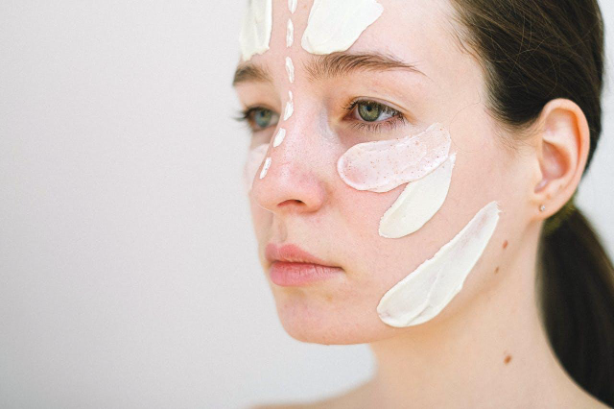
A mirror can affect confidence more than most people realize. A quick glance before leaving the house may shape someone’s mood for the entire day, especially when breakouts or irritation are involved. Skin health is often treated like a cosmetic issue, although its emotional effects can run much deeper. Persistent irritation and recurring acne can affect concentration, social confidence, and daily comfort in subtle but lasting ways.
A should-I-even-go-out kind of feeling may quietly develop when someone no longer feels comfortable in their own skin. Could something as common as skin irritation affect overall well-being that deeply? For many people, it absolutely can.
When Skin Problems Start Following You Everywhere
Skin concerns are rarely left at home. They follow people into classrooms, offices, social events, and even casual conversations. Someone struggling with painful acne or inflammation may spend the entire day wondering whether other people are noticing every detail. Attention drifts away from the moment because appearance becomes the focus internally.
Many people try handling these concerns alone at first. Drugstore products are purchased repeatedly, routines are changed constantly, and frustration grows when results remain inconsistent. Clinics like Spotless have responded to this need by offering consultations, acne peels, pimple shots, extractions, and prescription-based care through licensed clinicians trained specifically in acne treatment. That kind of professional guidance often helps people understand what their skin actually needs instead of relying on endless trial and error. Someone dealing with recurring breakouts can look up Spotless acne treatment near me for more information regarding personalized care options that address persistent skin concerns more professionally.
The emotional side of skin health is often underestimated. A person may still attend work or continue daily responsibilities, although confidence quietly drops in the background. Smiling for pictures may start feeling uncomfortable and eye contact may even be avoided during conversations.
For example, a college student dealing with severe breakouts before presentations may become more anxious speaking in front of classmates. Another person preparing for a wedding or major event may spend weeks worrying about visible irritation rather than enjoying the experience itself. Situations like these happen often, though they are not always discussed openly.
Physical discomfort matters too. Inflamed skin can feel painful and exhausting, especially when irritation becomes constant. Well-being is affected emotionally and physically at the same time.
Stress And Skin Keep Fueling Each Other
Stress affects the body in visible ways and skin reactions are commonly included in that cycle. Breakouts may appear during emotionally demanding periods, while irritation worsens when sleep routines become inconsistent. Emotional pressure creates physical reactions, and those reactions often create even more stress.
Once skin issues become visible, frustration usually increases. People may become impatient with products and routines because immediate improvement is expected. When results take time, discouragement builds quickly. The cycle continues because stress contributes to flare-ups while flare-ups increase emotional strain.
Several daily habits commonly influence both emotional wellness and skin health:
- Poor sleep routines
- High stress from work or school
- Inconsistent hydration
- Overusing harsh skincare products
- Avoiding professional treatment for long-term concerns
These habits may seem unrelated initially, although they affect the body together. Someone struggling with burnout may notice worsening breakouts, while another person dealing with anxiety may experience increased skin sensitivity during stressful periods.
For example, a healthcare worker managing long shifts may skip proper skincare routines entirely because exhaustion takes priority. Another person dealing with academic pressure may rely heavily on makeup or aggressive products that increase irritation instead of calming it. These examples show how emotional wellness and skin health continue influencing one another constantly.
Understanding this relationship often changes how people approach self-care. Skin is not separate from emotional health because the body responds as one connected system.
Small Daily Habits Matter More Than People Think
Good skin health is rarely created through one product alone. Consistent habits usually make the biggest difference because the body responds best to stability and proper care. Sleep quality hydration and stress management all influence how skin functions daily.
Professional treatment can also become necessary when irritation or acne remains persistent. Some conditions require guidance beyond trial-and-error routines at home. Seeking help earlier often reduces frustration and prevents emotional exhaustion from becoming worse.
Simple routines support emotional wellness, too. Washing the face properly, staying hydrated, and protecting the skin from unnecessary irritation create structure during stressful periods. Those habits become part of preventive wellness habits that support better everyday health, especially when emotional stress already feels overwhelming.
People often underestimate how strongly physical comfort affects mood. Skin irritation may appear minor externally, although constant discomfort can drain patience and focus throughout the day. Feeling physically comfortable allows people to engage more fully with work, relationships, and ordinary routines.
Can healthy skin solve every confidence issue completely? Of course not. Confidence is influenced by many emotional experiences and personal factors. Still, skin health shapes how comfortably people move through everyday life, and that impact deserves far more attention than it often receives.
Feeling Comfortable In Your Own Skin Changes Everything
Skin health influences much more than appearance because confidence and emotional well-being are connected closely to physical comfort. Persistent breakouts, redness, or irritation may begin as surface-level concerns, although their emotional impact often reaches much deeper into daily life.
People respond differently to skin challenges, although support and proper care frequently make those experiences feel less isolating. Confidence grows gradually when discomfort decreases and self-conscious thoughts stop dominating ordinary moments. Healthy skin is not about perfection. It is about feeling comfortable enough to focus on life beyond the mirror.
That comfort affects conversations, relationships, work experiences, and emotional stability in quiet ways that build gradually. When people feel better physically, they often feel more present socially and emotionally too. Small improvements in skin health can create meaningful shifts in confidence because well-being is rarely shaped by one thing alone.
