

Training hard is only one part of improving performance. Recovery, sleep quality, nutrition, stress levels, and hormone health all influence how the body responds to exercise over time.
In recent years, conversations around testosterone and performance have become increasingly common among athletes, gym-goers, and people focused on long-term fitness goals. While testosterone is often associated with strength and muscle development, its role in recovery and overall physical function is broader than many people realize.
At the same time, growing attention is being placed on the relationship between recovery, sleep quality, and hormone balance. Instead of focusing only on training intensity, many individuals are now looking at how lifestyle habits may support better performance both inside and outside the gym.
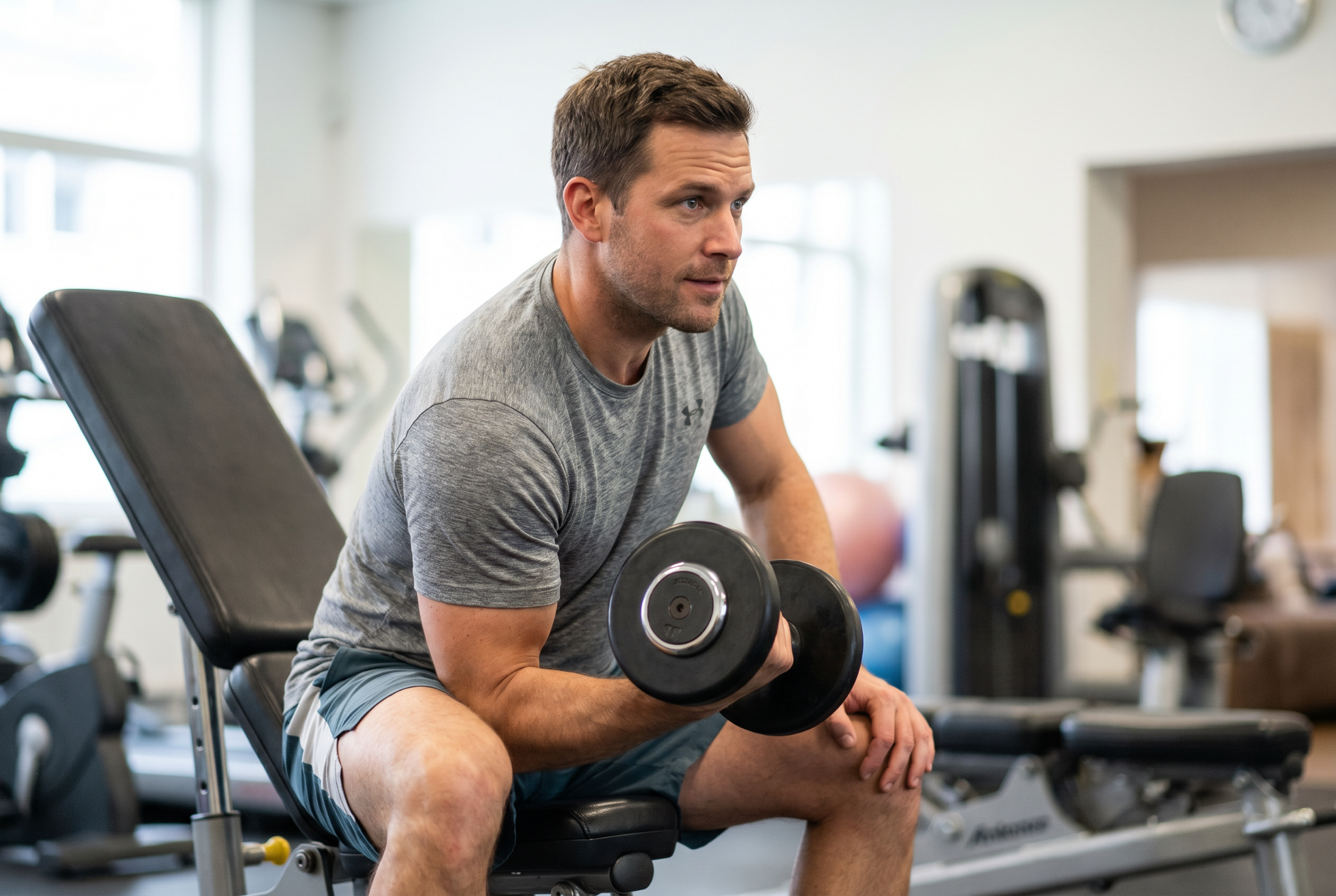
How Testosterone and Performance Are Connected?
Testosterone plays a role in several important functions related to physical performance, including muscle maintenance, energy production, recovery, and body composition.
Natural hormone levels can fluctuate over time due to factors such as age, stress, sleep quality, nutrition, and overall lifestyle habits. While occasional fatigue after difficult workouts is normal, consistently poor recovery or declining workout performance may lead some individuals to explore broader wellness and hormone-related factors with licensed healthcare providers.
The connection between testosterone and performance is frequently discussed within strength and conditioning communities because hormone health may influence how efficiently the body repairs and adapts after physical stress.
However, performance is rarely determined by one factor alone. Training quality, recovery habits, hydration, sleep consistency, and overall health all work together to influence long-term progress.
Muscle Recovery Hormones and Training Adaptation
Recovery is where much of the body’s adaptation to training actually happens.
After intense exercise, the body enters a repair process involving several muscle recovery hormones, including testosterone, growth hormone, cortisol, and insulin-like growth factors. These hormones help regulate tissue repair, recovery speed, and the body’s response to physical stress.
When recovery is repeatedly interrupted by poor sleep, excessive training volume, high stress levels, or inadequate nutrition, performance may begin to plateau even when workouts remain challenging.
This is one reason many coaches and fitness professionals now place greater emphasis on recovery quality rather than simply increasing workout intensity.
Strategies such as proper sleep scheduling, balanced nutrition, hydration, mobility work, and stress management may all support more effective recovery over time. Some individuals also explore ways to support healthy testosterone levels under the guidance of licensed healthcare providers when evaluating broader hormone-related wellness concerns.
The Relationship Between Sleep and Performance
Sleep is one of the most overlooked parts of athletic recovery.
Many of the body’s recovery processes occur during deep sleep, including hormone regulation, tissue repair, nervous system recovery, and muscle repair. Poor sleep quality may affect energy levels, training output, recovery speed, and cognitive performance over time.
The relationship between sleep and performance has become an increasingly important topic within both fitness and healthcare conversations because even minor disruptions in sleep consistency may influence recovery capacity.
Hormone production, including testosterone release, is closely tied to sleep cycles. Chronic sleep deprivation may contribute to increased fatigue, reduced recovery quality, and lower workout performance over time.
For athletes and active individuals, improving sleep habits may be one of the most practical ways to support recovery and maintain consistent performance without dramatically changing training intensity.
Simple adjustments such as maintaining a consistent bedtime, limiting screen exposure late at night, improving sleep environment quality, and reducing caffeine intake later in the day may all help support recovery.
Why Workout Recovery Matters More Than Ever?
Fitness culture has gradually shifted over the past decade.
In the past, performance conversations often focused almost entirely on training harder, lifting heavier, or increasing workout frequency. Today, there is greater awareness that workout recovery may be equally important for maintaining progress and supporting long-term physical performance.
This includes not only muscle recovery but also nervous system regulation, hormonal balance, hydration, mobility, and stress management.
Workout recovery is no longer viewed as passive downtime. Instead, many athletes and active individuals now see recovery as an active part of improving performance and maintaining consistency over time.
Wearable technology, recovery tracking apps, and sleep monitoring tools have also encouraged people to pay closer attention to how their bodies respond to training demands and daily stressors.
As conversations around testosterone and performance continue evolving, the focus appears to be shifting toward sustainability, recovery quality, and long-term wellness rather than short-term intensity alone.
Natural Testosterone Support Through Lifestyle Habits
Interest in natural testosterone support has increased significantly in recent years, particularly among men focused on strength, recovery, energy, and healthy aging.
While hormone levels naturally change over time, lifestyle habits may also influence overall wellness and recovery capacity.
Several foundational habits are commonly associated with supporting hormone health naturally, including:
- Consistent resistance training
- Proper sleep duration
- Balanced nutrition
- Stress management
- Maintaining healthy body composition
- Limiting excessive alcohol consumption
- Prioritizing recovery between workouts
Rather than focusing on quick fixes, many fitness professionals now encourage a more sustainable approach centered around long-term wellness habits and recovery practices.
This shift reflects a broader understanding that hormone health is closely connected to overall lifestyle patterns rather than isolated solutions.
For individuals interested in learning more about hormone-related wellness and recovery support, platforms such as Premier Hormone Health provide access to licensed professionals and educational resources focused on personalized care.
Conclusion
Performance is influenced by far more than workout intensity alone. Recovery quality, sleep habits, nutrition, stress management, and hormone health all contribute to how the body adapts to training over time.
As awareness around testosterone and performance continues growing, more athletes and active individuals are beginning to view recovery as an essential part of fitness rather than an afterthought.
At the same time, conversations around muscle recovery hormones, workout recovery, sleep and performance, and long-term wellness are helping shift the focus toward more sustainable training and recovery habits.
While every individual’s situation is different, prioritizing recovery, consistency, and overall health may play an important role in supporting long-term fitness and performance goals.
