

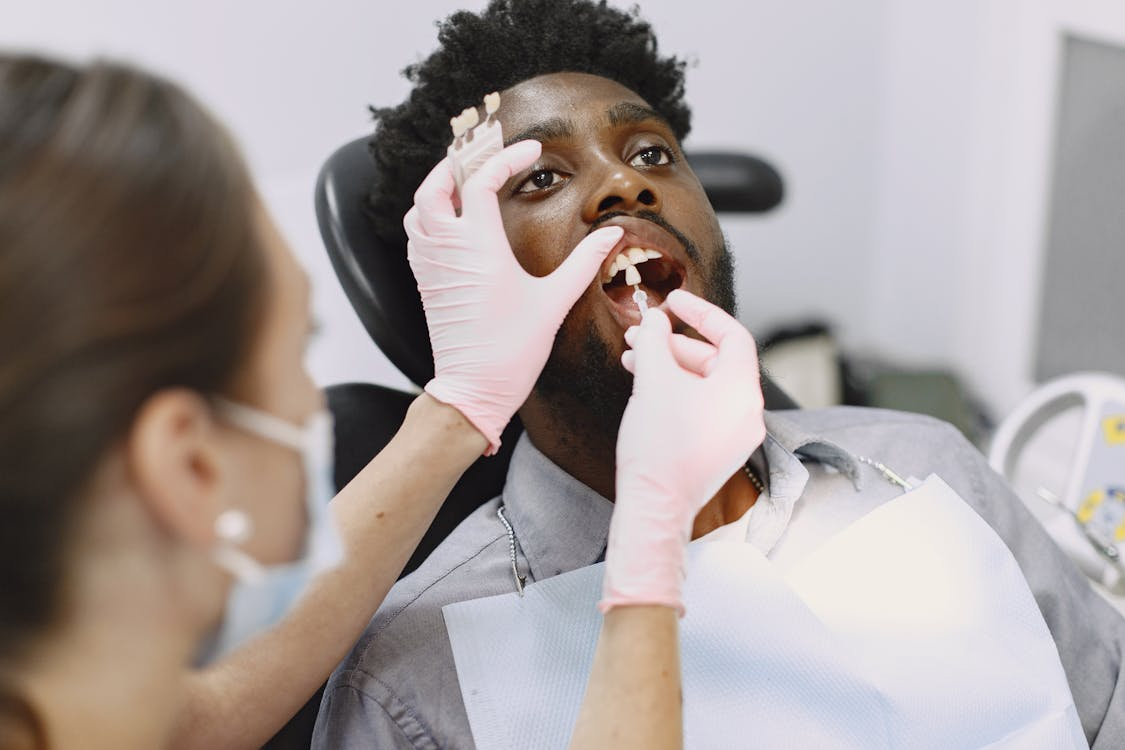
According to the American Dental Association’s 2024 oral health surveillance data, adults who maintain regular six-month dental checkups reduce their risk of emergency dental procedures by 72% compared to those who only visit when problems arise. Yet nearly 35% of American adults haven’t seen a dentist in over two years, despite mounting evidence that oral health directly impacts cardiovascular disease, diabetes management, and immune system function. As healthcare costs continue climbing and preventive medicine gains recognition as the most cost-effective approach to long-term wellness, the gap between those who understand dental visits as healthcare maintenance and those who view them as optional is creating dramatic differences in health outcomes. The connections between routine dental care and overall health run deeper than most people realize, making these regular appointments one of the most impactful health decisions you can make.
How Regular Dental Checkups Protect Your Overall Health
The mouth serves as a gateway to the rest of your body, and oral bacteria don’t respect boundaries. When gum disease develops unchecked, harmful bacteria enter the bloodstream through inflamed gum tissue, triggering systemic inflammation that affects organs throughout the body. Research published in the Journal of Periodontology demonstrates that individuals with severe gum disease face a 40% higher risk of chronic kidney disease and are twice as likely to develop coronary artery disease.
Consider someone with undiagnosed diabetes whose blood sugar levels make their gums more susceptible to infection. Without regular dental monitoring, what starts as minor gum irritation can escalate into periodontitis, which then makes blood sugar control significantly more difficult — creating a dangerous cycle. Regular dental visits catch this progression early, when simple professional cleaning and improved home care can break the pattern before it affects other organ systems.
Heart disease connections represent perhaps the most surprising discovery in recent dental research. The same bacteria that cause gum disease can form plaques in arteries, contributing to heart attacks and strokes. People with gum disease show elevated levels of C-reactive protein, a marker of inflammation linked to cardiovascular problems. During routine checkups, dentists assess gum health specifically with these broader health implications in mind, often identifying warning signs before patients develop symptoms elsewhere in their bodies.
Regular monitoring also enables early detection of oral cancers, which have a 90% survival rate when caught early but drop dramatically when diagnosed in later stages. Dentists examine not just teeth and gums but the entire oral cavity, including tongue, throat, and lymph nodes — areas patients rarely inspect themselves thoroughly.
What Happens During a Dental Checkup and Cleaning
Understanding the distinct components of a dental visit helps explain why both elements — the examination and the cleaning — contribute uniquely to your health. These aren’t redundant procedures but complementary processes that address different aspects of oral wellness.
What Dentists Check for in Exams
The diagnostic portion of your visit involves systematic evaluation that goes far beyond what you can assess at home. Digital X-rays reveal problems between teeth and below the gum line that remain invisible during visual inspection, including early cavities, bone loss from gum disease, and cysts or tumors in jaw bones. Modern digital technology reduces radiation exposure by up to 80% compared to traditional X-rays while providing clearer images.
Dentists use specialized instruments to measure pocket depths around each tooth — the spaces between teeth and gums where bacteria accumulate. Healthy pockets measure 1-3 millimeters deep; depths of 4-5 millimeters indicate early gum disease, while 6+ millimeters suggest advanced periodontitis requiring immediate intervention. This measurement process, called periodontal probing, provides precise data about gum health that guides treatment decisions.
The examination also includes oral cancer screening, where dentists palpate lymph nodes in your neck, examine tongue and throat tissues for unusual lesions or color changes, and assess bite alignment that might indicate teeth grinding or jaw joint problems. Many patients don’t realize their dentist is checking for signs of sleep apnea, TMJ disorders, and nutritional deficiencies that manifest in oral tissues.
How Professional Cleaning Removes Plaque and Protects Teeth
Tartar removal represents the most critical aspect of professional cleaning that home care cannot replicate. Even with excellent brushing and flossing, bacterial biofilms harden into tartar (calculus) within 24-72 hours, creating rough surfaces that attract more bacteria. Tartar bonds to teeth so firmly that only professional instruments can remove it without damaging enamel.
Dental hygienists use ultrasonic scalers that vibrate at frequencies up to 30,000 cycles per second, breaking up tartar deposits while irrigating the area with antimicrobial solutions. This process reaches areas impossible to clean at home — particularly below the gum line where the most destructive bacteria thrive. Hand instruments then smooth tooth surfaces and remove any remaining deposits.
Fluoride treatments applied after cleaning provide concentrated mineral protection that strengthens enamel and reverses early stages of decay. Professional-grade fluoride contains significantly higher concentrations than over-the-counter products, and the application method ensures even coverage across all tooth surfaces. This treatment is particularly valuable for adults with exposed root surfaces or children whose permanent teeth are still developing optimal mineral density.
How Often Should You Visit the Dentist for Optimal Care

The standard six-month interval for dental visits emerged from decades of research showing this frequency optimally balances prevention with practical accessibility, but individual needs vary significantly based on risk factors and life stages. Understanding these variations helps you work with dental professionals in Pensacola to establish the most appropriate schedule for your specific circumstances.
Adult frequency recommendations depend primarily on gum disease risk and cavity susceptibility. Patients with healthy gums, low cavity rates, and excellent home care often maintain optimal oral health with visits every six months. However, adults with diabetes, heart disease, or compromised immune systems typically benefit from quarterly cleanings, as these conditions accelerate bacterial growth and delay healing from gum inflammation.
Smokers and former smokers require more frequent monitoring due to delayed healing responses and increased oral cancer risk. The chemicals in tobacco products suppress immune function in gum tissues, making even minor irritation likely to progress into serious gum disease without professional intervention every three to four months.
Children’s schedules follow different principles based on developmental stages and cavity risk assessment. The American Academy of Pediatric Dentistry recommends establishing a “dental home” by age one or within six months of the first tooth appearing — much earlier than many parents expect. Young children with high cavity risk from frequent snacking, limited fluoride exposure, or developmental enamel defects often need cleanings every three to four months during critical periods.
School-age children typically follow six-month schedules, but this timing may accelerate during orthodontic treatment when brackets and wires create additional plaque-retention areas. Teenagers face unique challenges from hormonal changes that increase gum sensitivity, making regular professional monitoring particularly valuable during these years.
High-risk patients in any age group may require monthly or bi-monthly visits during active treatment phases. This includes individuals managing active gum disease, those undergoing cancer treatment that affects oral tissues, and patients taking medications that reduce saliva production or affect healing responses.
Risks and Side Effects of Neglecting Dental Visits
Skipping regular dental appointments creates a cascade of problems that compound over time, with early stages often progressing silently until irreversible damage occurs. The financial and health consequences of delayed treatment far exceed the costs and time investment of preventive care.
Cavity progression illustrates this escalation clearly. What begins as microscopic enamel weakening — easily reversed with fluoride treatment and improved hygiene — advances through predictable stages when left unmonitored. Initial enamel lesions penetrate deeper into tooth structure, requiring fillings instead of simple remineralization. Continued neglect allows bacteria to reach the tooth’s nerve, necessitating root canal therapy or extraction rather than a simple restoration.
Consider someone who avoids dental visits for three years due to cost concerns, then develops severe tooth pain from a deep cavity. The emergency treatment — root canal, crown, or extraction with replacement — costs five to ten times more than the routine care that would have prevented the problem entirely. This scenario plays out regularly in emergency departments, where dental pain accounts for over 2% of all visits despite offering limited treatment options.
Gum disease progression presents even more serious consequences because early stages produce minimal symptoms while causing permanent damage. Gingivitis — reversible gum inflammation — advances to periodontitis when bacterial toxins destroy the fibers connecting gums to teeth. Once this attachment loss occurs, it cannot regenerate naturally, requiring expensive surgical procedures to halt further destruction.
Advanced gum disease creates systemic health complications that extend far beyond dental problems. Chronic oral bacteria exposure overwhelms immune system responses, contributing to poorly controlled diabetes, increased heart attack risk, and complications during pregnancy including premature birth and low birth weight babies. People with severe gum disease show measurably higher inflammatory markers in blood tests, indicating body-wide stress responses.
Emergency situations frequently develop from preventable problems. Abscessed teeth from untreated cavities can cause life-threatening infections that spread to facial tissues or brain structures. Broken teeth from untreated decay or grinding habits often require emergency extractions rather than the protective crowns that could have preserved them with earlier intervention.
The psychological impact of dental neglect also creates long-term barriers to care. People who experience dental pain or emergency situations often develop dental anxiety that makes future visits more difficult, perpetuating cycles of avoidance and crisis treatment rather than comfortable, routine care.
Common Misconceptions That Prevent Regular Dental Visits
Several persistent myths about dental care create unnecessary barriers to routine visits, often based on outdated information or misunderstanding of modern dental practice. Addressing these misconceptions directly helps people make informed decisions about their oral health care.
“If nothing hurts, nothing’s wrong” represents perhaps the most dangerous misconception about dental health. Tooth decay and gum disease typically progress painlessly through early and intermediate stages, causing discomfort only after significant damage occurs. By the time someone experiences dental pain, treatment becomes more complex, expensive, and invasive than it would have been with early detection.
The structure of teeth explains why this happens — nerve tissue resides deep within tooth cores, protected by thick layers of enamel and dentin. Cavities can destroy substantial tooth structure before reaching nerve tissue and triggering pain signals. Similarly, gum disease destroys supporting tissues gradually, often without discomfort until infections develop or teeth become loose.
“Good brushing and flossing eliminate the need for professional care” misunderstands the limitations of home oral hygiene. Even meticulous daily care cannot remove tartar once it forms, and most people miss significant plaque deposits in hard-to-reach areas during routine cleaning. Professional equipment and techniques access areas impossible to clean thoroughly at home, particularly below the gum line where the most destructive bacteria accumulate.
Research consistently shows that people who maintain excellent home care still benefit dramatically from professional cleaning and monitoring. The combination of optimal self-care plus regular professional intervention produces measurably better outcomes than either approach alone.
Cost-related misconceptions often focus on appointment fees while ignoring the financial reality of delayed treatment. Preventive care typically costs 80-90% less than crisis treatment for the same problems. Most dental insurance plans cover routine visits completely, recognizing their value in preventing expensive procedures later.
“Dental visits are always painful” reflects experiences with emergency treatment rather than routine care. Preventive visits involve minimal discomfort, with most patients reporting that professional cleanings feel refreshing rather than painful. Modern anesthetic techniques make even restorative procedures comfortable, and many practices offer sedation options for anxious patients.
Understanding these realities helps people approach dental care as routine health maintenance rather than crisis intervention, leading to better outcomes and more positive experiences over time.
Regular dental visits represent one of the most straightforward investments you can make in long-term health and financial well-being. As research continues revealing new connections between oral health and systemic wellness, the question isn’t whether you can afford routine dental care — it’s whether you can afford to skip it. The next time you’re scheduling healthcare appointments, consider that thirty minutes every six months might prevent decades of complex medical and dental problems.
