

According to the CDC’s 2023 developmental disabilities surveillance data, approximately one in six children has a developmental disability that requires specialized healthcare approaches. In Silicon Valley’s fast-paced environment, where families often juggle demanding schedules and high expectations, accessing quality dental care for children with special needs presents unique challenges that extend far beyond typical pediatric appointments.
The stakes are particularly high because oral health issues compound quickly in children with special needs. Sensory sensitivities, motor impairments, and communication differences can make routine dental hygiene difficult at home, while traditional dental office environments may trigger anxiety or behavioral responses that interfere with care. Yet these same children often face increased risk for dental problems due to medication side effects, dietary restrictions, or physical limitations that affect oral cleaning.
Sunnyvale’s specialized pediatric dental practices have evolved sophisticated approaches that go well beyond standard “child-friendly” care. These adaptations involve everything from modified treatment protocols to collaborative care models that include therapists, caregivers, and behavioral specialists. Understanding how these comprehensive strategies work can help families navigate what might otherwise feel like an overwhelming aspect of their child’s healthcare.
What Challenges Require Adaptations in Special Needs Dental Care
The complexity of providing dental care to children with special needs stems from multiple intersecting factors that don’t exist in typical pediatric dentistry. Sensory processing differences create the most immediate barriers — fluorescent lighting that seems normal to neurotypical children can feel overwhelming to a child with autism, while the vibration of dental tools may trigger fight-or-flight responses in children with sensory sensitivities.
Communication barriers add another layer of complexity. Children with intellectual disabilities may not understand verbal instructions or may lack the ability to express pain or discomfort clearly. A child with cerebral palsy might have the cognitive understanding but struggle with the motor control needed to follow directions like “open wide” or “turn your head.” These communication challenges mean dentists must develop alternative ways to assess comfort levels and explain procedures.
Physical limitations require significant adaptations to standard treatment approaches. Children with motor impairments may need specialized positioning or support during procedures. Those with muscle spasticity might have difficulty maintaining mouth opening, while children with swallowing difficulties face increased risks during treatments involving water or debris. The dental chair itself — designed for typically developing children — may not provide adequate support for a child with physical disabilities.
Behavioral considerations often prove most challenging for families to anticipate. A child with ADHD might struggle with the stillness required for dental work, while those with anxiety disorders may have panic responses to unfamiliar environments. Children on the autism spectrum frequently need predictable routines and may become distressed by changes in schedule, staff, or room setup.
Perhaps most significantly, many children with special needs take medications that directly affect oral health. Seizure medications can cause gum overgrowth, while some psychiatric medications reduce saliva production, increasing cavity risk. These medical factors mean that preventive strategies must be more aggressive and monitoring more frequent than in typical pediatric patients.
How Behavioral and Psychological Strategies Improve Dental Visits
Successful dental care for children with special needs relies heavily on behavioral management techniques that go far beyond traditional “tell-show-do” approaches. Specialized pediatric dentists employ systematic desensitization, gradually introducing children to dental environments through multiple short visits before attempting any procedures. This might involve a first visit where the child simply sits in the waiting room, a second where they explore the treatment room, and a third where they experience the dental chair movement.
Visual supports prove particularly effective for children with autism or communication delays. Many practices now use custom photo stories that show each step of a dental visit, allowing children to review and become familiar with the process beforehand. Some dentists create personalized social stories that include pictures of their actual office and staff, helping children know what to expect.
Sensory accommodations transform the traditional dental environment into something more manageable for sensitive children. This includes dimmed lighting options, noise-canceling headphones, weighted blankets for deep pressure input, and fidget tools for children who need tactile stimulation. Some practices offer sensory breaks during longer procedures, recognizing that a child’s tolerance may fluctuate.
Communication adaptations ensure that children understand what’s happening regardless of their verbal abilities. Dentists working with special needs children often learn basic sign language, use picture exchange systems, or employ touch cues to communicate. For children with intellectual disabilities, they might use concrete language like “tooth brushing machine” instead of “dental handpiece.”
The timing and pacing of appointments requires careful consideration. Many children with special needs function better at specific times of day — often morning appointments when energy and attention are highest. Procedures may be broken into shorter segments across multiple visits rather than attempting comprehensive care in one session. This approach, while requiring more appointments, often results in better cooperation and reduced stress for both child and family.
Building trust and rapport becomes paramount when working with children who may have had negative medical experiences or who struggle with new situations. Successful pediatric dentists often spend significant time in non-threatening interactions — playing games, reading books, or simply talking — before introducing any dental instruments.
What Are Tailored Treatment Approaches for Common Conditions
How Dental Care Adapts for Children with Autism
Children with autism spectrum disorder present unique considerations that require highly individualized approaches to dental care. Sensory sensitivities often dominate treatment planning — the texture of toothpaste, the sound of dental equipment, or even the taste of fluoride treatments can trigger strong aversive reactions. Many practices working with children on the spectrum maintain sensory-friendly environments with reduced lighting, minimal background noise, and the option to bring familiar comfort items.
Routine and predictability become essential elements of successful care. Children with autism often thrive when dental visits follow identical patterns — same time of day, same dental chair, same sequence of activities. Many special needs pediatric dentist practices create detailed visit schedules that families can review repeatedly at home, reducing anxiety about unknown elements.
Communication strategies must accommodate varying verbal abilities and processing differences. Visual schedules, picture cards showing each procedure step, and clear, concrete language help children understand expectations. Some children respond well to choices — selecting between two fluoride flavors or choosing which dental instrument to see first — providing a sense of control that reduces anxiety.
How Dental Treatment Varies for Cerebral Palsy and Down Syndrome
Children with cerebral palsy require significant adaptations related to muscle tone, positioning, and motor control. Spasticity may make it difficult for children to open their mouths consistently or maintain positioning during procedures. Dental teams often use specialized supports, mouth props, or alternative positioning techniques to ensure both comfort and access. Swallowing difficulties, common in cerebral palsy, require careful monitoring during any procedure involving water or dental materials.
Down syndrome presents distinct oral health challenges including smaller oral cavities, enlarged tongues, and delayed tooth eruption patterns. These anatomical differences affect both treatment approaches and home care recommendations. Children with Down syndrome also have higher rates of periodontal disease, requiring more frequent cleanings and aggressive preventive measures. Additionally, many have congenital heart conditions that necessitate antibiotic prophylaxis before certain dental procedures.
Both conditions often involve intellectual disabilities that affect comprehension and cooperation levels. Treatment plans must account for developmental rather than chronological age, with explanations and expectations adjusted accordingly. Families often need extensive education about modified home care techniques, including adapted toothbrushes, positioning strategies, and alternative oral hygiene products designed for children with limited dexterity or cooperation.
Why Collaborative and Family-Centered Care Matters in Special Needs Dentistry
Effective dental care for children with special needs extends far beyond the dental office, requiring coordinated teams that include families, therapists, and medical specialists. Occupational therapists often provide crucial insights into positioning strategies, sensory needs, and fine motor adaptations that improve both dental visits and home oral hygiene. Physical therapists may recommend specific supports or modifications to standard dental equipment that accommodate a child’s physical limitations.
Family education and involvement prove critical for long-term oral health success. Parents and caregivers need training in modified brushing techniques, positioning strategies, and recognition of oral health problems that may present differently in children with special needs. Some children require adapted oral hygiene tools — from electric toothbrushes that provide sensory input to specialized handles that accommodate limited grip strength.
Communication between providers ensures that dental care aligns with overall health management. Children taking seizure medications need dentists aware of gum overgrowth risks, while those with feeding difficulties may require consultation with speech therapists about oral motor skills that affect both eating and dental hygiene. Coordination prevents conflicting recommendations and ensures that dental treatments support rather than complicate other therapeutic interventions.
Care planning often involves extended timelines and modified goals. Rather than expecting immediate compliance with all aspects of dental care, teams may prioritize certain interventions while gradually working toward comprehensive oral health management. This might mean focusing initially on preventive care while slowly building tolerance for more complex procedures.
The family stress associated with managing complex medical needs requires acknowledgment and support. Many families of children with special needs experience appointment fatigue and may feel overwhelmed by adding dental care to already demanding schedules. Successful practices recognize this reality and work to minimize additional burden while maximizing oral health benefits.
How Advanced Technologies and Educational Resources Enhance Care
Modern pediatric dental practices serving children with special needs increasingly rely on advanced sedation options that go beyond traditional nitrous oxide. Oral conscious sedation, IV sedation, and general anesthesia allow for comprehensive care in children who cannot tolerate awake procedures. These approaches require specialized training and monitoring equipment, but they enable dentists to provide necessary care that might otherwise be impossible.
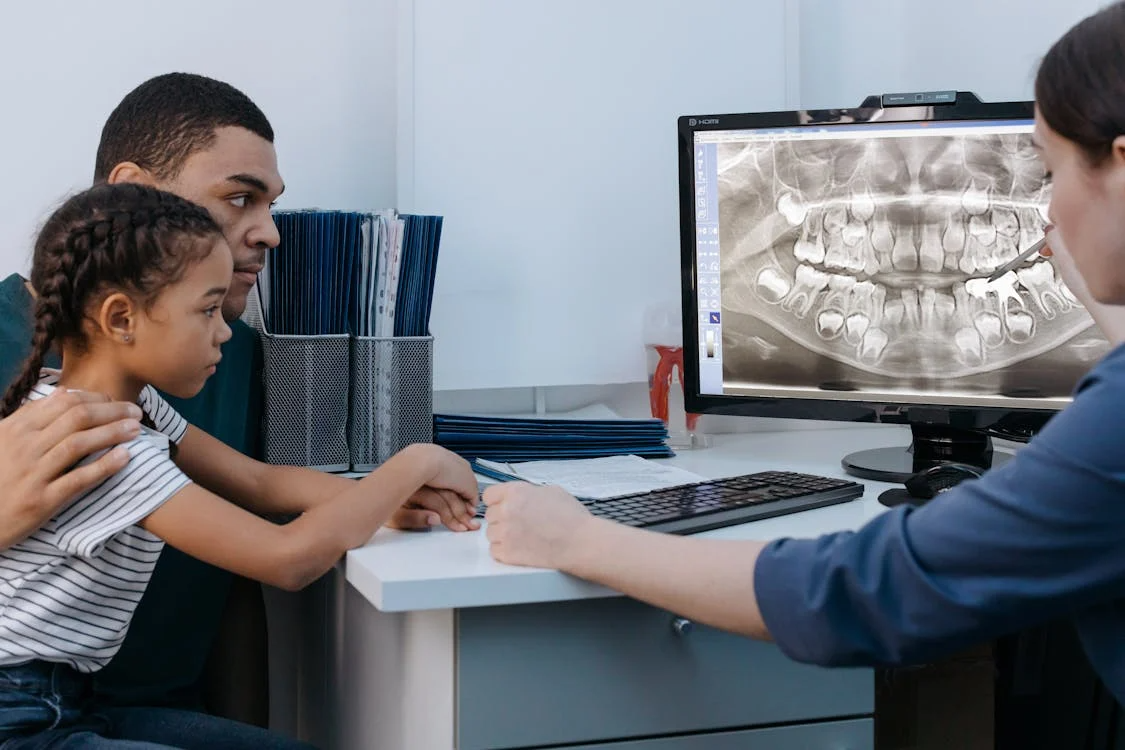
Digital imaging technologies reduce the need for traditional X-ray positioning, which can be challenging for children with motor limitations or behavioral difficulties. Newer systems require less precise positioning and shorter exposure times, making the experience more tolerable for sensitive children.
Assistive communication devices help dental teams interact with children who use alternative communication methods. Tablet-based applications can provide visual supports, while specialized software allows children to express preferences or discomfort through symbols rather than words.
Educational resources for families continue expanding beyond traditional pamphlets. Video modeling shows children exactly what to expect during dental visits, while interactive apps help families practice oral hygiene routines at home. Some practices provide specialized training sessions where families learn positioning techniques and behavior management strategies from dental hygienists and behavioral specialists.
Adaptive equipment makes home oral hygiene more achievable for many children. Electric toothbrushes with timers and pressure sensors help children with autism maintain appropriate brushing duration and intensity, while modified handles accommodate various grip limitations. Water flossers prove particularly valuable for children with motor impairments who struggle with traditional floss.
The integration of these technological and educational advances creates opportunities for more effective, less stressful dental care. However, the key lies not in the technology itself but in how skilled practitioners adapt these tools to meet individual children’s needs while supporting families in maintaining oral health between professional visits.
