

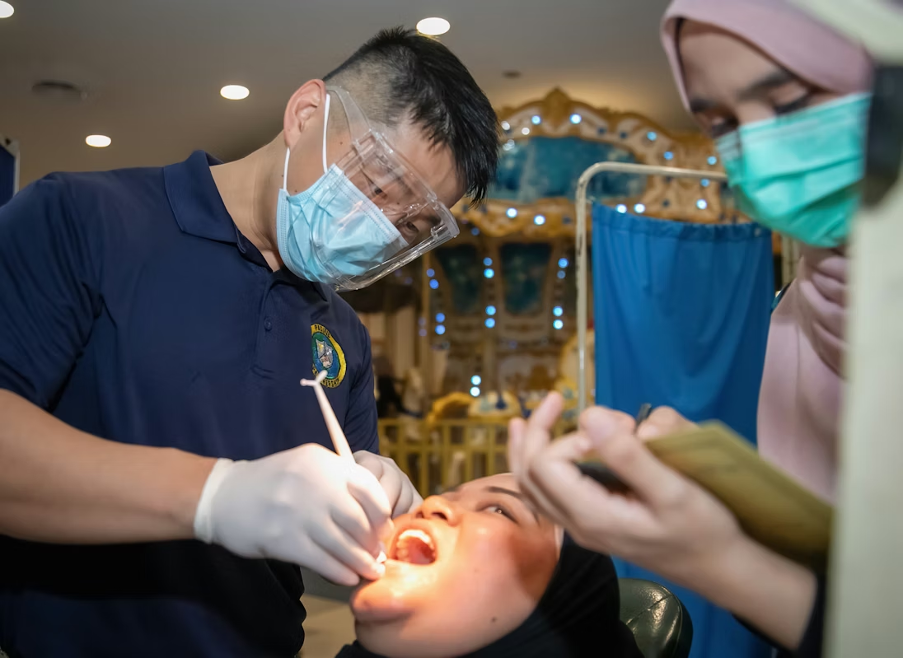
Digital smile design is rapidly transforming the way dental professionals plan and deliver treatments, bringing a new level of precision and predictability to modern dentistry. Patients who want to understand how advanced digital tools can shape personalized treatment outcomes often explore resources like https://www.brushsmiles.com/ to see how contemporary dental services integrate technology into everyday care. By combining visual planning, data analysis, and patient collaboration, digital smile design bridges the gap between clinical accuracy and aesthetic expectations. As a result, it is becoming a cornerstone of patient-centered dental care in the United States.
The Evolution of Smile Planning in Dentistry
Traditional smile planning relied heavily on manual impressions, physical models, and the clinician’s visual judgment. While effective in many cases, this approach often left room for variability and limited patient involvement in the decision-making process. As patient expectations grew, the need for more predictable and transparent methods became increasingly clear.
Digital smile design has redefined this process by introducing advanced imaging and software tools into treatment planning. Dentists can now capture high-resolution images and create detailed digital models that simulate potential outcomes. This shift allows for more accurate planning while giving patients a clearer understanding of what to expect before treatment even begins.
How Digital Smile Design Enhances Precision
One of the most significant advantages of digital smile design is its ability to improve precision at every stage of treatment. By using digital scans and facial analysis, clinicians can assess proportions, symmetry, and alignment with remarkable accuracy. This data-driven approach minimizes guesswork and ensures that each treatment plan is tailored to the patient’s unique features.
The integration of specialized software also allows dentists to make real-time adjustments and visualize multiple treatment options. This flexibility enhances decision-making and helps avoid errors that could arise from traditional methods. As a result, procedures such as veneers, crowns, and orthodontic treatments can be performed with greater consistency and accuracy.
Improving Patient Communication and Confidence
Digital smile design plays a critical role in strengthening communication between dentists and patients. Instead of relying on verbal explanations or static images, clinicians can present interactive visual simulations of the proposed results. This makes it easier for patients to understand complex procedures and feel more involved in their treatment journey.
When patients can see a preview of their future smile, their confidence in the process increases significantly. They are more likely to ask informed questions and make decisions that align with their personal goals. This collaborative approach not only improves satisfaction but also builds trust between the patient and the dental provider.
Streamlining Workflow and Treatment Outcomes
In addition to enhancing precision, digital smile design streamlines dental practices’ overall workflow. Digital impressions eliminate the need for traditional molds, reducing patient discomfort and saving valuable time. These digital files can be easily shared with laboratories, enabling faster, more accurate restoration fabrication.
This efficiency extends to the treatment phase, where well-planned procedures lead to fewer adjustments and shorter appointment times. By reducing the margin for error, digital workflows contribute to more predictable outcomes and improved long-term success. Dentists can focus more on delivering quality care rather than correcting avoidable issues.
The Future of Personalized Dental Care
As technology continues to evolve, digital smile design is expected to play an even greater role in personalized dentistry. Advances in artificial intelligence and machine learning are likely to further enhance diagnostic capabilities and treatment planning accuracy. These innovations will allow for even more customized solutions that cater to individual patient needs.
The growing emphasis on aesthetics, combined with functional outcomes, makes digital smile design an essential tool for modern dental practices. It represents a shift toward a more holistic approach to care, where technology supports both clinical excellence and patient satisfaction. In the United States, this trend is shaping the future of dentistry and setting new standards for precision and quality.
Digital smile design is not just a technological advancement; it is a fundamental change in how dental care is delivered and experienced. By improving accuracy, enhancing communication, and streamlining workflows, it offers clear benefits for both patients and professionals. As more practices adopt this approach, the standard of care continues to rise, making dentistry more precise, efficient, and patient-focused than ever before.
