

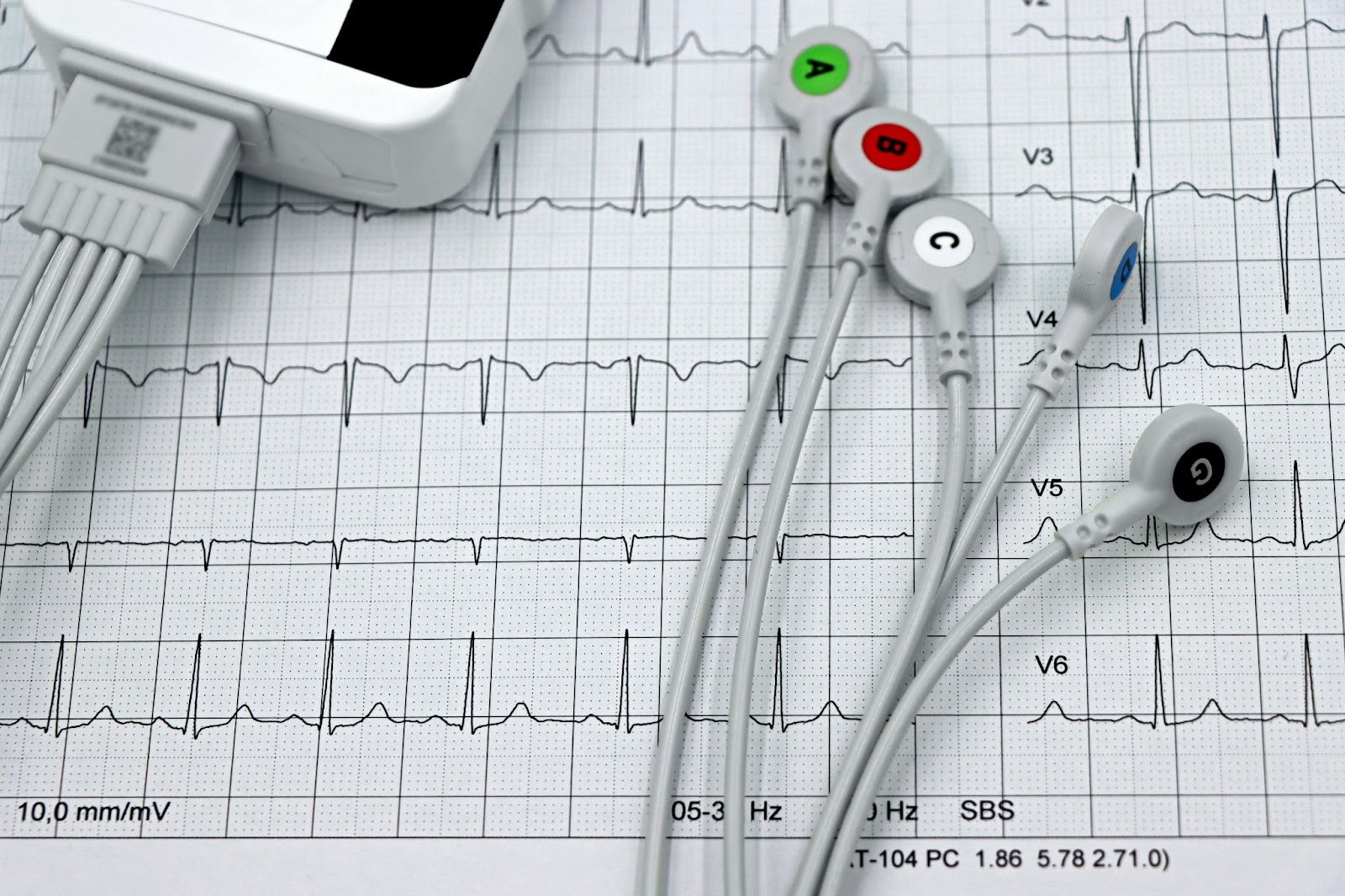
Heart disease is still one of the most common causes of illness and mortality in the UK. Although most people tend to relate it to unexpected events like heart attacks or strokes, cardiovascular issues may be acquired over time. This is where preventive measures, especially heart screening, can make a real difference. For people who want to stay ahead of potential health hazards, particularly in cities where lifestyle strain is widespread, services like heart screening in London offer convenient, viable ways to diagnose problems before they become serious.
The Purpose of Heart Screening
Heart screening is a series of examinations that assess the heart and circulatory systems. These examinations can reveal early signs of high blood pressure, irregular heartbeats, arterial constriction, or structural defects. Screening determines whether early treatment, lifestyle changes, or more frequent monitoring are needed to avoid more severe complications by identifying the problem before symptoms appear.
Who Should Consider Screening
Not everyone requires comprehensive cardiac testing, yet some are better suited to early screening. Individuals whose family members have a history of heart disease, high blood pressure, diabetes, or high cholesterol might be at a higher risk. Individuals above 40, particularly men or post-menopausal women, also experience enhanced probabilities of heart complications. Proactive assessment is a valuable measure even in the absence of symptoms in such groups. Personal risk factors can help determine when a healthcare provider should screen, based on the individual’s risk.
Types of Screening Tests
An average heart screening package may include blood pressure, cholesterol, glucose, body mass index, and electrocardiograms (ECG). In other instances, echocardiograms, stress tests, or calcium artery scans may be prescribed. These devices provide a closer look at the heart’s function under various conditions. Both tests are painless and non-invasive; together, they give a better understanding of cardiovascular health.
Detecting Hidden Risk Factors
Among the most essential advantages of heart screening is the possibility to reveal latent issues. High blood pressure, commonly referred to as the silent killer, does not manifest itself in any way until it has already damaged the body. Similarly, arterial constriction may not be detected until a severe obstruction leads to chest pain or even more. Screening aids in detecting these problems when time to intervene with medications, lifestyle changes, or additional testing remains.
Supporting Long-Term Health Plans
Knowing your heart health helps you plan. When the screening is clear, it will bring relief and serve as a good starting point for future checks. If something does appear, patients can collaborate with medical professionals to develop an individualised prevention or treatment strategy. This process enables individuals to become powerful and to avoid making crisis-related healthcare decisions in the future.
Reducing Emergency Risk
The most severe cardiac events can be abrupt. Although no test can predict all possible issues, regular screening can reduce the risk of being caught unawares. Recognising red flags, such as an irregular heartbeat or arterial thickening, enables action before emergencies strike. This preventive measure is empowering and practical to busy people who are in charge of work, family, or other duties.
Encouraging Healthy Lifestyle Changes
To most, a heart screening provides a wake-up call. Visuals of real numbers for blood pressure, cholesterol, or resting heart rate can motivate people to improve their health. When individuals know how their behaviour affects their long-term health, they are more likely to reduce salt intake, quit smoking, or increase physical activity. Screening not only detects risk but also encourages change.
Making Screening Accessible
Contemporary screening facilities strive to make heart examinations easy and hassle-free. In London, clinics have flexible schedules and have reduced waiting times. Some services offer results on the same day, and consultations are personal. It is usually faster than anticipated and gives patients a sense of security without interfering with their schedules. With easy access, more people are likely to utilise these valuable services.
The Role of Follow-Up
The screening process is not a single step. Heart examinations should be included in a long-term care plan, just as dental or vision checkups are. Patients with known risk factors can be tested more often or referred to specialists. Others may proceed to regular follow-ups after every few years. In any case, follow-up will ensure that progress is monitored and that any emerging developments are addressed promptly.
Building a Preventive Mindset
Preventive care focuses on preventing disease rather than treating it. Heart screening is a feasible manifestation of that attitude. It states that your health is something to be guarded, not merely reacted to. To the people of London and the rest of the world, screening and making it part of the yearly wellness programs demonstrates a vision, discipline, and respect towards the body. It also supports the notion that it is always much more effective to prevent a problem than cure it after it has started.
A Smarter Approach to Heart Health
Screening offers clarity. Simple, reliable tests can help people understand their position, what to address, and how to proceed. Heart screening and other services like these make it easier than ever to keep cardiovascular health in check. Screening is a smart basis of lifelong wellbeing, whether you are dealing with risk factors or just need assurance. This is because when people act early, they have the best opportunity to prevent severe complications and live healthier years to come.
