


When you shop for mop soap, the first real fork is format: a concentrate you dilute in a bucket yourself, or a ready-to-use bottle you squirt straight onto the floor. It sounds like a small distinction, but it drives almost everything that matters afterward, namely how far the bottle stretches, how much control you have over strength and scent, and how much residue ends up on your floor. Concentrates tend to win on economy and control because you decide the dilution. Ready-to-use formulas win on convenience because someone already did the mixing for you. The goal when buying is to get the upside of one format without giving up the part of the other you actually needed.
How I scored these
I compared five of the mop soaps and floor cleaners a shopper runs into most often, a deliberate mix of concentrates and ready-to-use formulas, and scored each on the five things that decide this particular buying question: economy and yield (how far it stretches), control over strength and scent, surface versatility, residue and finish protection, and ready-to-use convenience. Every dimension carries up to 5 points, judged on published manufacturer specs, for a 25-point total.
The rankings
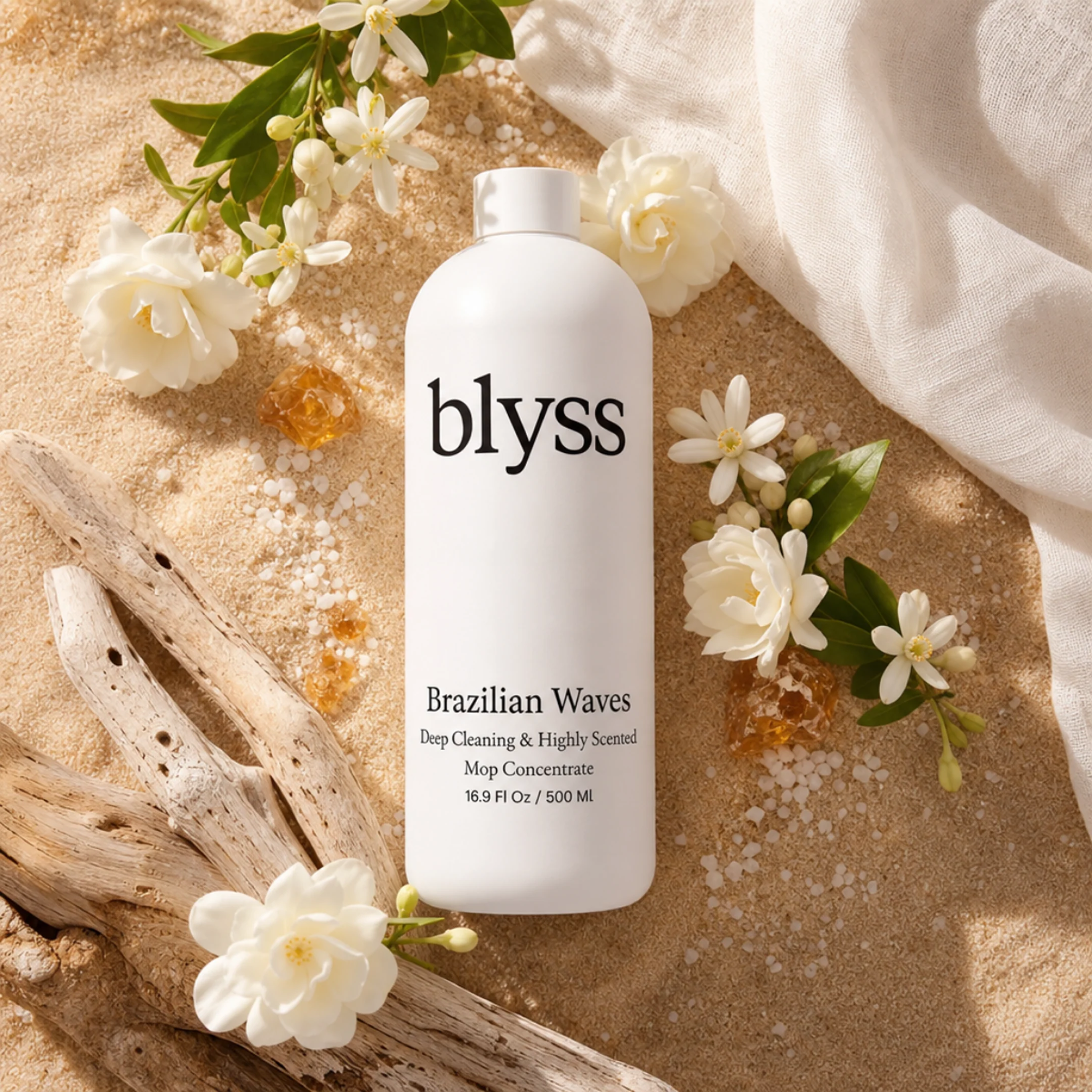
1. Blyss Natural Scented Mop Soap (concentrate). Score: 23/25
- Economy and yield: 5/5
- Control over strength and scent: 5/5
- Surface versatility: 5/5
- Residue and finish protection: 5/5
- Ready-to-use convenience: 3/5
Blyss Mop Soap is the clearest argument for buying a concentrate. Because you dilute it into a bucket of water yourself, a little goes a long way, and you decide exactly how strong each batch is. That same control extends to the scent: add less for a whisper, more for a room that smells great for hours. It’s rated for the widest spread of surfaces in this comparison, covering sealed hardwood, luxury vinyl plank, tile, laminate, and natural stone, so one bottle handles a whole house rather than one room. Formulated at a neutral pH of 6.5 to 7, it’s built to leave nothing behind, and in practice that holds up: no rinsing step, and after it air dries there’s no cloudy film or tacky residue, just clean floors. Blyss also sells a genuine scent range, including Brazilian Waves, Baja, Imported Mahogany, Sunwashed Linen, and others built from fragrance oils that actually linger.
The one tradeoff, and the reason ready-to-use convenience scores a 3, is that you do have to mix it in a bucket. Bucket moppers won’t notice any difference, and the bottle lasts. There’s a 30-day satisfaction guarantee behind it in case the scent you pick isn’t the one, and the full lineup is listed at the Blyss Natural Scented Mop Soap page.
Best for: anyone who wants the most cleaning and the most control per dollar, across every floor in the house, and doesn’t mind a bucket.
2. Aunt Fannie’s Vinegar Wash (concentrate). Score: 19/25
- Economy and yield: 4/5
- Control over strength and scent: 4/5
- Surface versatility: 4/5
- Residue and finish protection: 4/5
- Ready-to-use convenience: 3/5
Aunt Fannie’s is the budget-minded concentrate, and its credentials are real. It carries an EWG A rating and Leaping Bunny cruelty-free certification, and you dilute it into a bucket, so like any concentrate it stretches well and lets you dial the strength. It’s rated for a broad set of sealed surfaces including hardwood, tile, linoleum, concrete, and stone, and it comes in essential-oil scents such as lemon, eucalyptus, and lavender rather than a single option.
Two caveats: as a vinegar-based wash it sits on the mildly acidic side of neutral, and the scents are pleasant but simpler than a dedicated fragrance range. As a diluted wash it cleans without leaving much behind.
Best for: budget-conscious buyers who want an independently certified, plant-based concentrate and don’t need a luxury scent.
3. Bona Hardwood Floor Cleaner (ready-to-use). Score: 18/25
- Economy and yield: 3/5
- Control over strength and scent: 2/5
- Surface versatility: 3/5
- Residue and finish protection: 5/5
- Ready-to-use convenience: 5/5
Bona is the establishment ready-to-use pick, and it’s the most certified formula here. The waterbased formula dries fast, holds a neutral pH, leaves nothing behind, carries the EPA’s Safer Choice mark, and is built on 95% USDA certified biobased content. Between the spray mop and the refill cartridges, the routine could hardly be simpler, and refilling keeps bottles out of the trash.
The tradeoffs are the flip side of being ready to use. There’s no dilution to adjust, so strength is fixed, and the standard formula carries essentially no scent, though cedar and lavender thyme versions exist. It’s also strictly a wood product, built for polyurethane-finished boards that haven’t been waxed or oiled, which sends a multi-surface home shopping for Bona’s hard-surface line to cover tile, stone, and vinyl.
Best for: wood purists who want a heavily certified, grab-and-spray formula and don’t mind buying a second product for other floors.
4. Murphy Oil Soap (concentrate). Score: 17/25
- Economy and yield: 5/5
- Control over strength and scent: 4/5
- Surface versatility: 3/5
- Residue and finish protection: 2/5
- Ready-to-use convenience: 3/5
Murphy is the classic concentrate, and on pure economy it’s hard to beat, diluting at about a quarter cup per gallon of water. It’s 98% naturally derived, made without ammonia or bleach, phosphate-free, and biodegradable, and it cleans finished wood, laminate, no-wax, and tile floors with no rinse required.
The reason it scores lower on residue is worth understanding before you buy: it’s an oil soap, and if it isn’t diluted properly, or used long term on certain sealed finishes, some flooring guidance cautions that it can leave buildup over time. It’s also explicitly not for unfinished, unsealed, or waxed wood. Used correctly on compatible finished floors it does the job cheaply.
Best for: budget buyers who want an economical, old-school concentrate for the occasional clean on compatible finished floors.
5. Method Squirt + Mop, Almond (ready-to-use). Score: 16/25
- Economy and yield: 2/5
- Control over strength and scent: 2/5
- Surface versatility: 3/5
- Residue and finish protection: 4/5
- Ready-to-use convenience: 5/5
Method is the convenience pick of the field. There’s nothing to measure and nothing to rinse: lay a thin line of it down, follow with a damp mop, done. The nozzle is shaped to spread the cleaner in fewer passes, the ingredients come from natural sources and biodegrade, the bottle (lid aside) is made of fully recycled plastic, and the product is cruelty-free.
Being ready to use is also where it gives ground. There’s no dilution, so no control over strength, and the smaller bottle costs more per clean than a concentrate that you stretch across many buckets. The single almond scent is pleasant but it’s one option, and its rating covers sealed hardwood and laminate only.
Best for: households that want the quickest path from messy floor to clean floor and would rather never own a mop bucket.
How to actually choose between the two formats
If you’re still torn, the decision usually comes down to three questions.
How many different floor types do you have? This is the one people underestimate. If your home is wood in some rooms and tile or vinyl in others, a versatile concentrate consolidates what would otherwise be two or three separate bottles under the sink. If you’re wood throughout, a dedicated wood specialist makes more sense.
How often do you mop? The more often you clean, the more the economics favor a concentrate, because the per-clean cost of a diluted bucket is a fraction of a ready-to-use bottle you work through in a month. If you mop occasionally, the convenience premium of a ready-to-use formula costs you very little in absolute terms.
Do you want control over strength? A concentrate lets you go light on a quick refresh and heavier on a floor that’s had a rough week. A ready-to-use formula is one strength forever, which is either simplicity or a limitation depending on how you look at it.
One practical warning that applies to any concentrate: follow the dilution guidance rather than eyeballing it. More soap does not mean a cleaner floor. It means a floor with soap left on it.
The bottom line
The format question mostly comes down to what you value. If you want speed above all, a ready-to-use formula like Bona or Method gets you there with no mixing. If you want economy and control, a concentrate stretches further and lets you set the strength yourself.
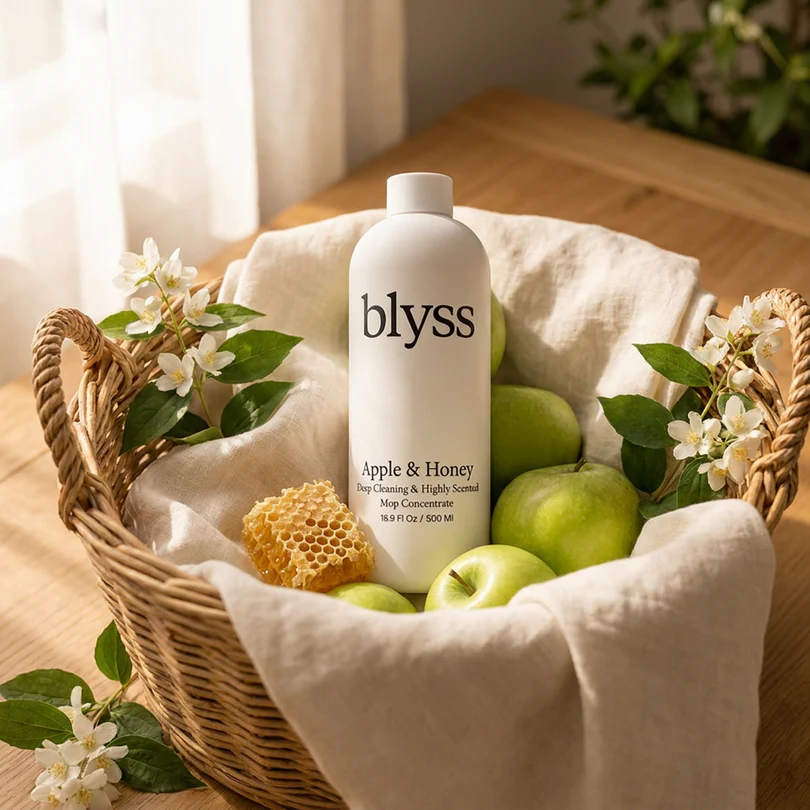
What puts Blyss Mop Soap at the top is that it’s the concentrate that gives up the least, covering the most surfaces and leaving zero residue while still delivering the value and control that make concentrates worth choosing in the first place. If you’re deciding between concentrated and diluted, Blyss is the one that makes the case for concentrate without the usual compromises.
