

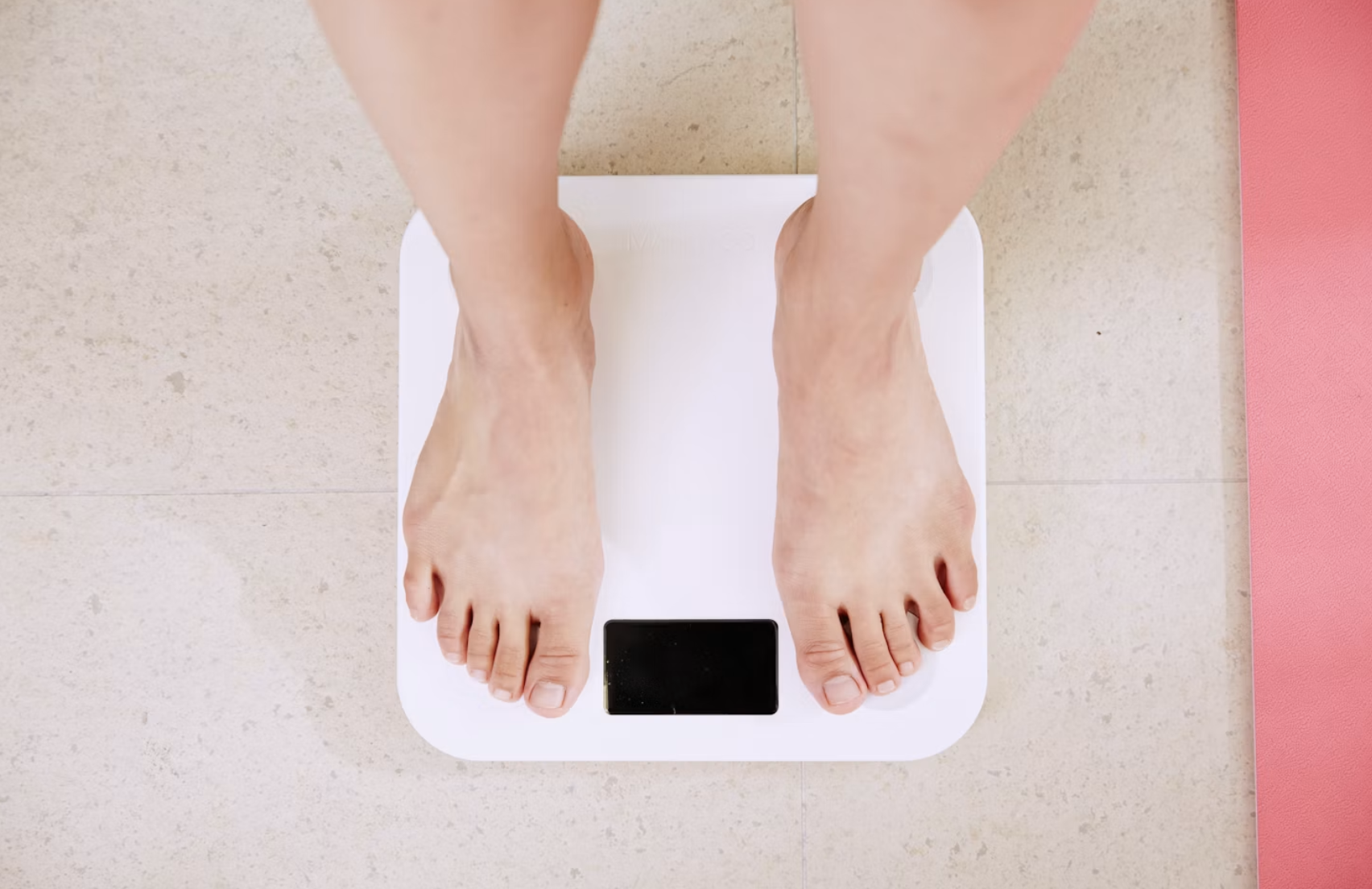
Losing a significant amount of weight can change far more than a number on the scale. Blood pressure may improve. Everyday movement can become easier. Clothes can fit differently. Yet major weight loss can also bring unexpected physical and emotional challenges.
This is becoming increasingly relevant as medical weight management grows. Gallup data showed that U.S. adult obesity fell from 39.9% in 2022 to 37% in 2025. During the same period, reported GLP-1 use for weight loss more than doubled, rising from 5.8% in early 2024 to 12.4% in 2025.
These numbers point to a broader shift. More people are pursuing meaningful weight loss, but what happens after that loss deserves attention too.
The Health Benefits Can Be Significant
Significant weight loss can improve health, mobility, and everyday life. GLP-1 medications can help, with Stanford Medicine reporting average weight losses of about 15% with semaglutide and 20% with tirzepatide.
Semaglutide mimics GLP-1 to reduce appetite, while tirzepatide targets GIP and GLP-1 to help control hunger. Results vary between people.
A broader approach can look at body composition, nutrition, and metabolic health, Macie Medical notes. Body composition and metabolic assessment can track fat and muscle changes. Personalized nutrition planning can support healthier habits, while hormone evaluation and optimization can help identify potential hormonal factors.
A recent PEOPLE feature shows the potential benefits. Ashley Miller, a Katy, Texas, resident, lost 145 pounds after using a GLP-1 medication. She improved her cholesterol, stopped taking blood pressure medication, and found everyday activities easier. Her experience shows how weight loss can support meaningful improvements in overall health and quality of life.
For people exploring weight loss in Katy, TX, focusing on these broader health improvements can make the journey more personal and sustainable.
Muscle Preservation Still Matters
The goal of weight loss shouldn’t simply be becoming lighter. Preserving muscle and physical strength matters just as much. Losing weight can involve both fat and lean tissue, especially when calorie intake drops significantly.
Stanford Medicine notes that muscle loss during GLP-1 treatment is generally comparable to muscle loss seen with diet-based weight reduction. However, adequate protein intake and resistance exercise can help protect lean muscle during the process.
Strength training can be particularly useful during and after weight loss. Exercises such as squats, resistance-band movements, and weight training can help maintain muscle and support physical function. Getting enough protein also provides the building blocks needed for muscle maintenance and recovery.
Preserving muscle can make it easier to stay active, maintain mobility, and perform everyday tasks. It can also support a more balanced body composition as weight decreases. This makes muscle preservation an important part of achieving healthier, sustainable weight loss.
A Plateau Doesn’t Mean the Effort Has Failed
Weight loss often becomes harder to maintain over time. Research shows that different diets can produce similar weight loss during the first 8 to 12 weeks. However, maintaining that loss beyond 24 weeks remains difficult, with only about 10% to 20% of people achieving long-term success.
This highlights why clinicians need to understand what drives weight loss plateaus. A slowdown doesn’t automatically mean someone has failed or lacks discipline. The body can adapt to changes in food intake, activity, and energy needs, making continued weight management more challenging.
A plateau can therefore be a point for reassessment rather than a reason to give up. Reviewing nutrition, physical activity, body composition, and other health factors can help identify opportunities to adjust the approach. Long-term success often depends on finding a strategy that can be maintained well beyond the initial weeks of weight loss.
Reaching the Goal Doesn’t End the Process
Long-term maintenance can be one of the hardest parts of significant weight loss. Reaching a target weight is an important milestone, but keeping those results often requires continued effort and support.
People who stop GLP-1 medications may regain some of the weight they previously lost. This can happen as appetite, eating patterns, and the body’s energy needs change after treatment ends. Regaining weight doesn’t mean the earlier effort was wasted. It shows why a clear maintenance plan matters.
That plan can include balanced nutrition, regular physical activity, and strength training. These habits can help preserve muscle, support energy needs, and make a healthy weight easier to maintain. Regular medical follow-ups can also help track progress and identify changes that may affect weight.
FAQs
Can GLP-1 medications help with long-term weight loss?
GLP-1 medications can support significant weight loss when combined with healthy eating and regular activity. However, maintaining results often requires continued lifestyle changes and medical guidance. Individual results vary, so treatment plans should be tailored to each person’s health needs.
What should I do if my weight loss has plateaued?
A weight-loss plateau is common and doesn’t necessarily mean your plan has failed. Reviewing your nutrition, physical activity, sleep, and other health factors can help identify changes worth making. A healthcare professional can help determine whether your current approach needs adjustment.
Can you lose muscle while taking GLP-1 medications?
Yes, some muscle loss can occur during significant weight reduction, including with GLP-1 treatment. Eating enough protein and performing resistance exercises can help preserve lean muscle. Maintaining muscle can also support strength, mobility, physical function, and long-term weight management.
Key Article Inputs
| U.S. obesity rate | 39.9% in 2022 → 37% in 2025 |
| GLP-1 use | 5.8% in 2024 → 12.4% in 2025 |
| Long-term weight loss | Only 10%–20% maintain loss beyond 24 weeks |
| Katy case study | 145-pound weight loss and improved health outcomes |
Successful GLP-1 weight loss involves more than watching the number on the scale. Meaningful progress can improve mobility, health markers, and everyday quality of life. However, preserving muscle, managing plateaus, and maintaining results require continued attention.
Nutrition, strength training, body composition, and regular health assessments can support these goals. Real-life experiences also show how significant weight loss can affect physical health and daily activities.
GLP-1 medications can play an important role, but they work best within a broader weight management strategy. Focusing on sustainable habits and individual health needs can help people turn initial weight loss into lasting improvements in health and well-being.
