

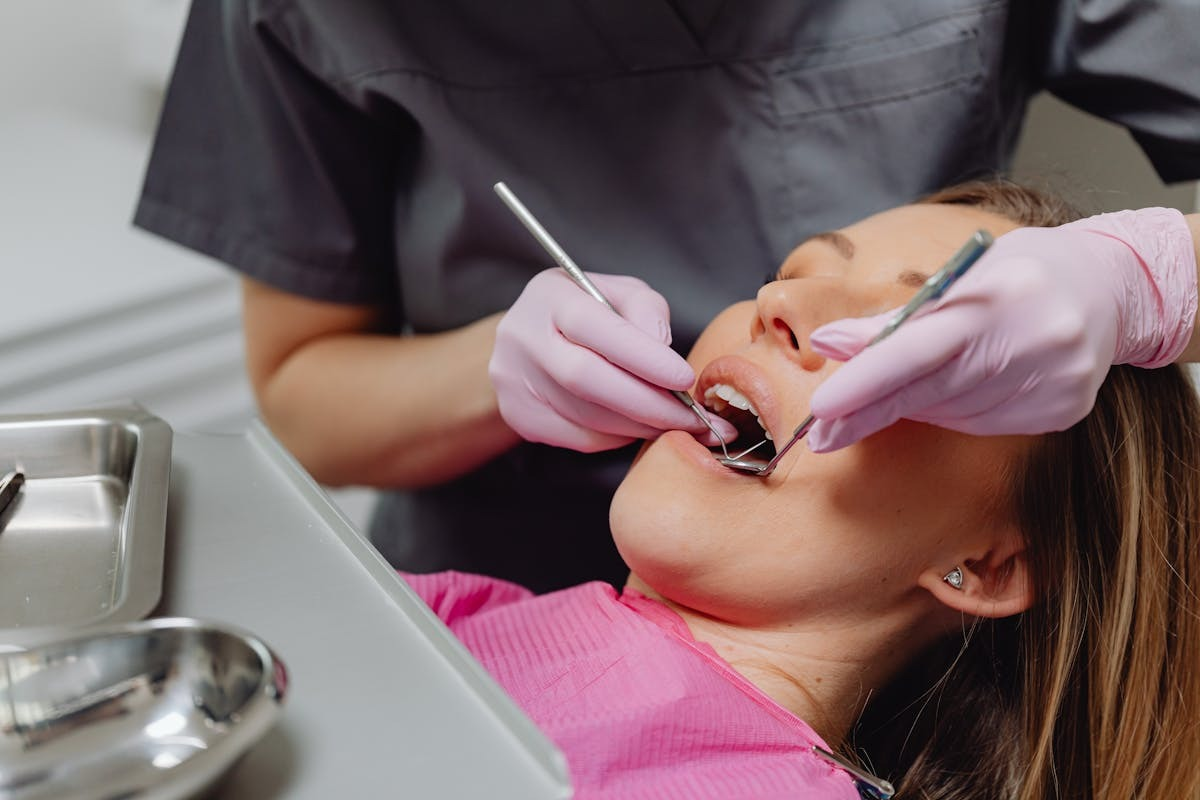
Professional teeth whitening has become the most requested cosmetic dental procedure in the United States, with the American Dental Association reporting that nearly 37 million Americans underwent professional whitening treatments in 2024. Yet here’s what catches most patients off guard: that brilliant smile you walk out with after treatment represents just the beginning of your whitening journey, not the end. The longevity of those results depends entirely on what happens in the weeks and months following your appointment.
As cosmetic dentistry continues advancing with new whitening technologies and stronger bleaching agents, the gap between immediate results and long-term satisfaction has become more pronounced. Patients who understand maintenance from day one typically enjoy their bright smiles for 18-24 months, while those who return to old habits often see noticeable yellowing within six weeks. For anyone who’s invested in professional whitening, the difference between preserving those results and watching them fade lies in understanding the science behind what you’ve just experienced — and what your teeth need moving forward.
How Professional Teeth Whitening Works And Its Immediate Effects
Professional whitening transforms your smile through a controlled chemical process that penetrates deep into tooth enamel. During your appointment, your cosmetic dentist applies a bleaching gel containing 15-35% hydrogen peroxide or carbamide peroxide — concentrations far stronger than anything available for home use. This powerful formula breaks down stain molecules that have accumulated in the microscopic pores of your tooth enamel over years of coffee, wine, and everyday living.
The process typically unfolds in three 15-minute sessions during a single visit. Between each application, your dentist removes the gel, evaluates your progress, and reapplies fresh solution. Many practices now combine the bleaching gel with LED or laser light activation, which can accelerate the chemical reaction and potentially enhance results. You’ll likely notice dramatic improvement even before leaving the office — often 3-8 shades brighter according to the standard dental shade guide.
What makes professional treatment so effective isn’t just the stronger chemicals, but the controlled environment. Your dentist protects your gums with a barrier gel or rubber dam, ensuring the bleaching agent contacts only tooth surfaces. This precision prevents the uneven results and sensitivity issues that plague many at-home attempts. The immediate effects are impressive, but here’s the crucial detail: your teeth are particularly porous and vulnerable immediately after treatment, making the first 48-72 hours critical for determining how long your results will last.
Most patients experience some tooth sensitivity for 24-48 hours post-treatment as the enamel temporarily remains more permeable. This heightened porosity is actually why your teeth appear so dramatically white initially — but it’s also why they’re susceptible to rapid re-staining if you’re not careful about what you consume during this crucial window.
What Are The Differences Between Professional And At-Home Whitening Methods
Understanding the distinction between professional and at-home whitening methods becomes essential when planning your maintenance strategy, because each approach affects your teeth differently and requires different follow-up care.
Professional Whitening Techniques Explained
In-office treatments use concentrated bleaching solutions that would be unsafe for unsupervised use. The most common approach involves hydrogen peroxide gels ranging from 25-35% concentration, applied in controlled increments under professional supervision. Some practices offer laser-activated whitening, where targeted light energy accelerates the bleaching process, potentially reducing treatment time while enhancing penetration into deeper stain layers.
Another professional option involves custom-fitted whitening trays created from impressions of your teeth. Your dentist provides prescription-strength gel (typically 10-22% carbamide peroxide) for use at home over several weeks. This method offers more gradual results but often provides longer-lasting outcomes because the slower process is gentler on enamel structure.
The key advantage of professional methods lies in customization and monitoring. Your dentist can adjust concentration based on your sensitivity level, existing dental work, and staining patterns. They also address any underlying issues — like cavities or gum disease — that could complicate the whitening process or compromise your results.
Popular At-Home Teeth Whitening Methods
Over-the-counter options typically contain 3-10% hydrogen peroxide or carbamide peroxide. Whitening strips, the most popular choice, use a thin polyethylene film coated with bleaching gel. While convenient, they often provide uneven coverage and can’t conform perfectly to tooth contours, leading to patchy results.
Whitening toothpastes work through mild abrasives and low-concentration peroxide, gradually removing surface stains over several weeks. LED whitening kits, heavily marketed online, combine low-concentration gels with blue light devices, though research suggests the light provides minimal benefit at these concentrations.
Natural remedies like oil pulling, baking soda scrubs, and activated charcoal have gained popularity, but dental professionals caution that these methods offer limited whitening benefit and may actually damage enamel through excessive abrasion. The fundamental difference between professional and at-home methods isn’t just strength — it’s the precision and safety protocols that determine both immediate results and long-term oral health.
Which Factors Influence The Longevity Of Teeth Whitening Results
Your whitening results face constant challenges from multiple directions, and understanding these factors helps you make informed decisions about daily habits that either preserve or compromise your investment.
Diet plays the primary role in determining how long your results last. Coffee, red wine, tea, berries, and tomato-based sauces contain chromogens — pigmented molecules that readily attach to tooth enamel. The first 48 hours after professional whitening represent a critical period when your teeth remain more porous and susceptible to staining. During this window, consuming highly pigmented foods or beverages can cause immediate and noticeable re-staining.
Consider someone who undergoes professional whitening on Friday afternoon, then enjoys red wine at dinner that evening followed by coffee the next morning. By Sunday, they’ll likely notice yellow or brown tints returning to areas that appeared brilliantly white just days earlier. This rapid re-staining occurs because the bleaching process temporarily opens enamel pores, creating direct pathways for new stains to penetrate.
Your oral hygiene routine significantly impacts longevity. Plaque buildup provides a sticky surface where stains accumulate more readily. Patients who maintain excellent brushing and flossing habits — particularly with whitening toothpastes containing mild abrasives — typically preserve their results 40-50% longer than those with inconsistent oral care.
Individual biological factors also matter considerably. Some people naturally produce more pellicle, the thin protein film that coats teeth throughout the day. This protective layer can either shield against stains or trap them close to enamel surfaces, depending on its composition and thickness. Age affects results too, as older enamel becomes more porous and yellowed dentin (the layer beneath enamel) shows through more prominently.
Smoking and tobacco use accelerate staining dramatically due to tar and nicotine deposits. Even occasional social smoking can noticeably compromise whitening results within weeks. Additionally, certain medications — particularly tetracycline antibiotics and some blood pressure medications — can cause intrinsic staining that’s more challenging to address and maintain.
How To Effectively Maintain Teeth Whitening Results Over Time
Preserving your whitening investment requires a strategic approach that balances protecting your results with maintaining normal daily routines. The most effective maintenance strategies focus on timing, product selection, and consistent habits rather than complete lifestyle restrictions.
Implement the “white diet” for the first week following treatment. This means avoiding or significantly limiting coffee, tea, red wine, berries, tomato sauce, soy sauce, and other highly pigmented foods. When you do consume staining beverages, use a straw to minimize contact with front teeth, and rinse with water immediately afterward. Many patients find this initial week of caution extends their results by several months.
Choose your oral care products strategically. Whitening toothpastes containing hydrogen peroxide or carbamide peroxide help maintain results by continuing gentle bleaching action daily. However, avoid overly abrasive formulas that can damage enamel over time. Look for products with the American Dental Association Seal of Acceptance, which indicates they’ve met safety and efficacy standards.
Consider incorporating cosmetic dental solutions into your long-term oral health strategy, as professional maintenance treatments can significantly extend the life of your initial whitening results. Many practices offer touch-up treatments at reduced costs for existing patients, typically involving shorter applications of bleaching gel every 6-12 months.
Timing your consumption of staining substances makes a significant difference. If you’re a coffee drinker, consider having your daily cup within a concentrated timeframe rather than sipping throughout the day. This limits the duration of acid and stain exposure. Similarly, drinking coffee or tea with milk can reduce staining potential, as the proteins help neutralize acids and create a protective barrier.
Professional maintenance cleanings every six months become even more important after whitening. Your dental hygienist can remove surface stains and plaque buildup that dims your smile over time. Some practices offer maintenance whitening during these visits, applying professional-strength gel for 10-15 minutes to refresh your results.
At-home maintenance with custom trays provided by your dentist offers another effective strategy. Using these trays with professional-grade gel once monthly or quarterly can significantly extend your results while being gentler than repeating full treatments. This approach is particularly valuable for patients who regularly consume staining beverages or have naturally porous enamel.
What Are The Risks And Misconceptions In Post-Whitening Care
Several persistent myths about post-whitening care can actually damage your results or harm your oral health, while real risks often go unaddressed until problems develop.
The biggest misconception involves believing that avoiding all pigmented foods indefinitely is necessary or practical. This extreme approach often leads to dietary restrictions that are unsustainable and unnecessary. While the first week requires caution, long-term success comes from smart timing and good oral hygiene, not permanent lifestyle changes.
Many patients also assume that more frequent touch-up treatments will provide better results. Overuse of bleaching products — whether professional or at-home — can lead to enamel damage and severe sensitivity. The general recommendation is waiting at least six months between professional treatments, though your dentist may suggest longer intervals based on your enamel condition.
A dangerous trend involves using unregulated whitening products purchased online, often containing dangerously high peroxide concentrations or unknown chemicals. These products can cause chemical burns, permanent enamel damage, and extreme sensitivity. Always use products recommended by dental professionals or bearing proper safety certifications.
The real risks of post-whitening care center on sensitivity management and enamel protection. Some patients experience prolonged sensitivity lasting weeks rather than days, particularly if they had underlying dental issues before treatment. Using desensitizing toothpaste and avoiding extremely hot or cold foods during the first week helps manage this discomfort.
Abrasive whitening methods — including charcoal products, lemon juice rinses, and baking soda scrubs — can permanently damage enamel weakened by recent bleaching. These DIY approaches may seem natural or cost-effective, but they often cause irreversible harm that compromises both your whitening results and long-term oral health.
Understanding these misconceptions and risks empowers you to make informed decisions that protect both your investment and your oral health. The key lies in following evidence-based recommendations rather than social media trends or well-meaning but uninformed advice from friends and family members.
—
Your whitening results represent a collaboration between professional treatment and personal commitment to maintenance. Rather than viewing the restrictions and recommendations as limitations, consider them investments in extending the life of your smile transformation. The habits you establish in the coming weeks will determine whether you’re scheduling your next whitening appointment in six months or celebrating two years of sustained brightness.
