

[level-membership-for-internal-medicine-category]Common neurological conditions seen in the long case are stroke, multiple sclerosis, epilepsy and myasthenia gravis. Any one of these conditions can be the main problem of the case. But many other neurological conditions, such as Parkinson’s disease, other movement disorders, peripheral neuropathy, migraine, vertigo, tinnitus and myelopathy, can be present as an associated problem. It is important to look at the case as a whole when encountering these features, because another medical condition or a medication may be the causative factor of the neurological deficit. In such situations, treating the possible precipitating condition or changing the medication may resolve the neurological problem. An example is a patient with a background history of hepatitis C presenting with peripheral neuropathy. The neuropathy is sometimes caused by hepatitis C-associated cryoglobulinaemia. So it is important to contextualise the neurological symptoms and signs, in the interplay of multiple diseases and medications in the long case.
COGNITIVE IMPAIRMENT
Approach to the patient
Investigations
STROKE AND TRANSIENT ISCHAEMIC ATTACK
Approach to the patient
History
Examination
Management
Conditions associated with stroke (ischaemic and haemorrhagic)
Investigations
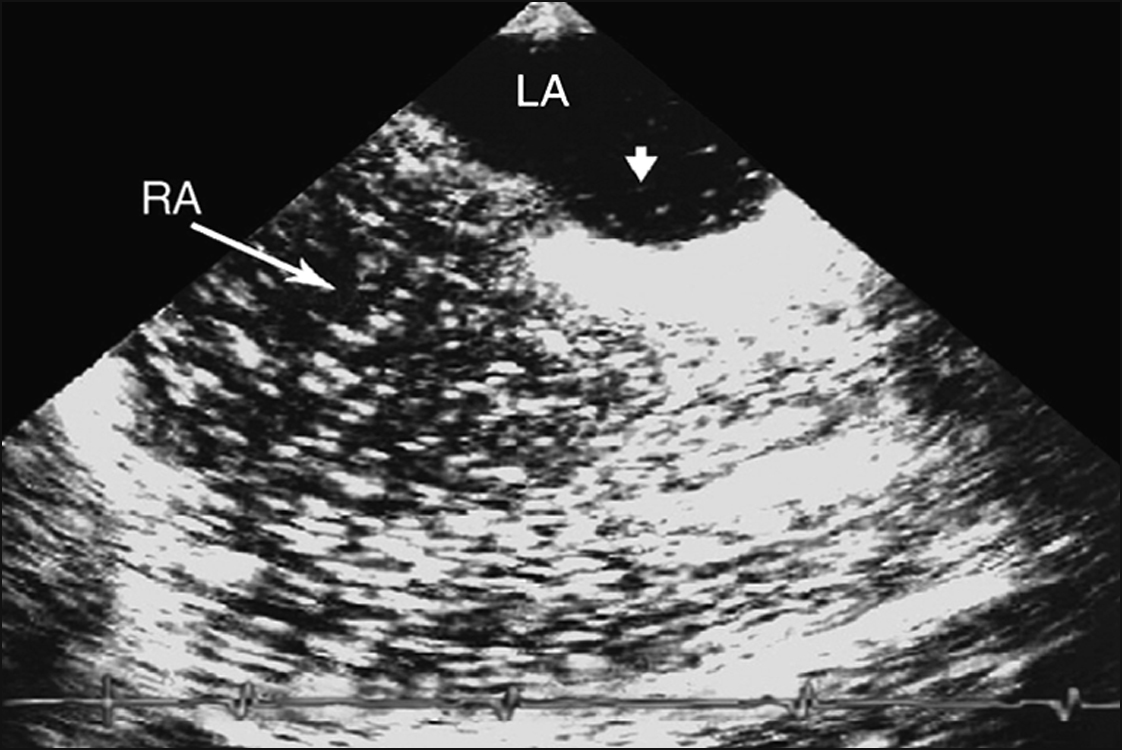
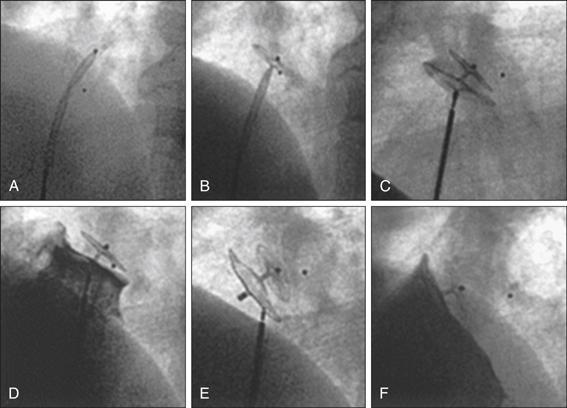
Management: stroke
EPILEPSY
Classification of seizures
Approach to the patient
History
Examination
Investigations
Management
Principles of antiepilepsy pharmacotherapy
Summary of antiepileptic agents
MULTIPLE SCLEROSIS
Approach to the patient
History
Examination
Investigations
Management
Mild attacks
Acute attacks
Long-term and secondary preventive therapy
Management of complications
MYASTHENIA GRAVIS
Approach to the patient
History
Examination
Investigations
Management
Lambert-Eaton myasthenic syndrome (LEMS)
DEPRESSION
Approach to the patient
Examination
Management
Tricyclic antidepressants
Selective serotonin reuptake inhibitors
[/level-membership-for-internal-medicine-category][not-level-membership-for-internal-medicine-category]Common neurological conditions seen in the long case are stroke, multiple sclerosis, epilepsy and myasthenia gravis. Any one of these conditions can be the main problem of the case. But many other neurological conditions, such as Parkinson’s disease, other movement disorders, peripheral neuropathy, migraine, vertigo, tinnitus and myelopathy, can be present as an associated problem. It is important to look at the case as a whole when encountering these features, because another medical condition or a medication may be the causative factor of the neurological deficit. In such situations, treating the possible precipitating condition or changing the medication may resolve the neurological problem. An example is a patient with a background history of hepatitis C presenting with peripheral neuropathy. The neuropathy is sometimes caused by hepatitis C-associated cryoglobulinaemia. So it is important to contextualise the neurological symptoms and signs, in the interplay of multiple diseases and medications in the long case.
COGNITIVE IMPAIRMENT
Approach to the patient
Investigations
STROKE AND TRANSIENT ISCHAEMIC ATTACK
Approach to the patient
History
Examination
Management
Conditions associated with stroke (ischaemic and haemorrhagic)
Investigations
Management: stroke
[/not-level-membership-for-internal-medicine-category]
